


Purpose
This exercise helps to strengthen strategic foresight, backward planning and cross-functional collaboration. Teams are asked to build a path to a fictional success generated by AI. This encourages proactive thinking about what decisions and collaborations are required to achieve a desired outcome. If time allows, have the AI also generate an ‘editorial critique’ of the success story, questioning the ethics, sustainability or long-term impact. This adds an extra dimension of strategic awareness and critical thinking. Ideal for courses on strategic planning, collaboration, reasoning, vision alignment and AI Integration.
Objective
Delegates will use AI to generate a fictional news article about their company’s future success, then reverse-engineer the key decisions and collaborations that must have led to it, building a strategic narrative for how the success became possible.
What You Need
- Internet-connected devices with access to ChatGPT or similar AI tools. You need one per team of 3.
- Flipcharts/whiteboards and markers
- Digital collaboration tools if run online
Setup
- Divide delegates into teams of 3.
- Introduce the three-phase structure of the exercise.
Phase 1: AI Scenario Creation (10 minutes)
- Get each team to use the following prompt to generate a fictional success story from the future:
“Generate a 5-paragraph news article published two years from now, announcing our company’s breakthrough success in a new market. For example: the launch of Product X. Include a major obstacle that was overcome and mention key partnerships or team efforts.”
- Teams can modify the market or product domain to suit their context. Examples are: sustainability, tech innovation, international expansion.
- Teams can modify the prompt to get better results.
- The article should include specifics: the challenge faced, the innovation or breakthrough and the recognition received.
Phase 2: Human Problem Solving (15 minutes)
- Get teams to treat the article as a reverse case study. Their goal is to identify:
Three key strategic decisions the organisation must have made to reach the success.
Three essential cross-team or stakeholder collaborations that enabled progress.
- Have teams outline the chronological order of these events, as if building a timeline from the present to the fictional future.
Phase 3: Presentations (20 minutes)
- Get each team to present their reverse-engineered timeline to the group explaining their decisions and justifications:
- Why those specific decisions were necessary
- How the collaborations functioned and overcame silos
- What risks or trade-offs they addressed
- Encourage others to ask critical questions or offer alternative paths to that same future success.
- Follow with a discussion.
Timing
Explaining the Exercise: 2 minutes
Activity: 10 min AI Creations + 15 min Human Problem Solving + 20 Min Presentations = 45 minutes
Group Feedback: 10 minutes
Discussion
- Did the AI-generated success story feel believable? What parts felt too easy or too vague?
- Which decisions in your timeline felt the most difficult or risky to justify?
- How did this exercise change how you view the planning process?
- What would you need to do now to increase the chances of your scenario becoming real?
Variations
- Industry Rotation: Give each group a different industry (e.g., education, health tech, logistics) to increase contrast when they share their results.
- Obstacle Focus: Instead of general success, focus the AI prompt specifically on overcoming a major failure, regulation or internal culture barrier.
- Cross-Team Tournament: Have teams compare timelines and vote on which plan is most likely to succeed if implemented today.
Ready-to-Use Soft Skills Training Materials
Editable slides, trainer notes, workbooks and exercises. Download, customise and reuse.
Why Choose Our Training Materials?

Online Train the Trainer Course:
Core Skills
CPD Accredited
Turn Your Expertise into Engaging, Well-Structured Training
Topics
Need a Complete Soft Skills Course to Deliver?
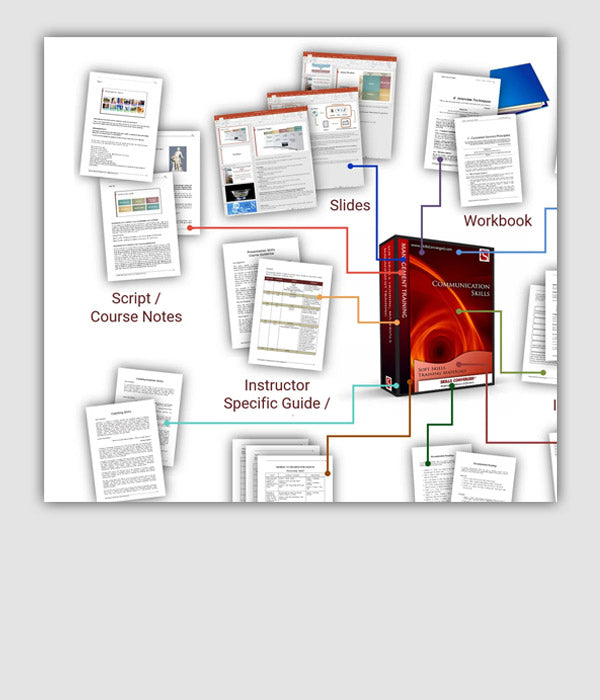
Save preparation time with ready-to-use course packs containing editable slides, detailed trainer notes, participant workbooks and engaging exercises.
Management ◆ Interpersonal Development ◆ Personal Development
The Most Similar Exercises & Articles to This in Order of Similarity Are:






Resources for Trainers and Course Designers
Instructional Design Books
Practical books on course design, learner engagement and training delivery, available in paperback and ebook

Free Training Resources
Download a complete sample course with training activities, assessment forms and practical resources for trainers.

Comprehensive Body Language Guide
Explore body language, gestures, posture, facial expressions and non-verbal communication in one practical guide.

Train the Trainer Resources
Improve course design and delivery with practical guides, specialist books and Train the Trainer courses.
Leave a comment
All comments are moderated before being published.
This site is protected by hCaptcha and the hCaptcha Privacy Policy and Terms of Service apply.