


Purpose
This exercise helps move beyond obvious thinking patterns and explore how AI can expand and challenge creative boundaries. It also helps developing human critical thinking and synthesis skills. Delegates learn how to critique, reshape and ground even the most extreme or absurd ideas into something practical and usable. Suitable for courses on problem solving, decision making and critical thinking.
Objective
In teams, delegates will generate conventional ideas for solving a business challenge, use AI to stretch those ideas into absurd or science-fiction directions, then collaboratively reverse-engineer how to turn the most unrealistic ones into viable solutions.
What You Need
- Laptops or tablets for AI input. You need one device per group of 3. Optionally, you may use your single device and act as the AI interface if devices are limited.
- Access to ChatGPT or similar AI tool.
- Whiteboard or flipcharts for teamwork.
- A list of suggested business challenges if teams can’t think of one. You can use this list based on your training needs.
Setup
- Divide the class into small groups of 3 delegates.
- Get each group to select a current or plausible business challenge. You can also give each group one based on your training needs. Here are some examples:
- Reducing supply chain waste
- Increasing employee engagement
- cutting customer service wait times
- Making packaging more sustainable
- Check the problems groups have selected to make sure each group has a unique problem and that it is valid based on your training needs.
Phase 1: Human Divergence (10 minutes)
- Get each group to brainstorm 10 conventional or obvious ideas to solve the selected problem.
- Get delegates to write them out clearly and prepare to input them into AI.
Phase 2: AI Acceleration (10 minutes)
- For each idea, ask teams to create an input a prompt to AI. Given the problem, they should then prompt the AI to generate the following for each of their 10 ideas:
- A contradictory solution
- A completely absurd solution
- A science-fiction solution
- Get groups to collect the 30 AI-generated ideas (3 variations per original idea).
Phase 3: Human Synthesis (15 minutes)
- Get groups to select 3 of the most impractical or ridiculous AI ideas.
- Their challenge is to reverse-engineer a path to feasibility. They must collaboratively figure out:
- How might this become practical with existing or near-future tech?
- What assumptions must shift for it to work?
- Who might benefit from this, and in what niche or unusual context?
- Get each group to prepare a brief summary of their engineered solution.
- This exercise works best when the original problem is well-defined and grounded in the delegates’ real work or sector. The more absurd the AI outputs, the better; the value lies in how creatively teams bring the idea back to Earth. Encourage laughter and risk-taking in Phase 2, and rigour in Phase 3.
Phase 4: Presentation (20 minutes)
- Bring back everyone together and get each team to present their problem and their engineered solution.
- Follow with a discussion
Timing
Explaining the Exercise: 5 minutes
Activity: 10 min Human Divergence + 10 min AI Acceleration + 15 min Human Synthesis + 20 min Presentations = 55 minutes
Group Feedback: 10 minutes
Discussion
- Which AI idea was most difficult to reframe into reality and why?
- What surprised you about how far the AI could push your thinking?
- How did your team decide which absurd ideas were worth salvaging?
- What mindset shifts helped you see possibility in the impractical?
- How does this exercise shift the way you view AI as a tool for generating depth or breadth?
Variation
- Solution Rotation: After the final presentation, give groups another chance to go back and redo the exercise. This time they will have learned from other teams on AI prompting methodology and human analysis. They can apply it to their problem once more. They can then come back and present solutions to the class.
Ready-to-Use Soft Skills Training Materials
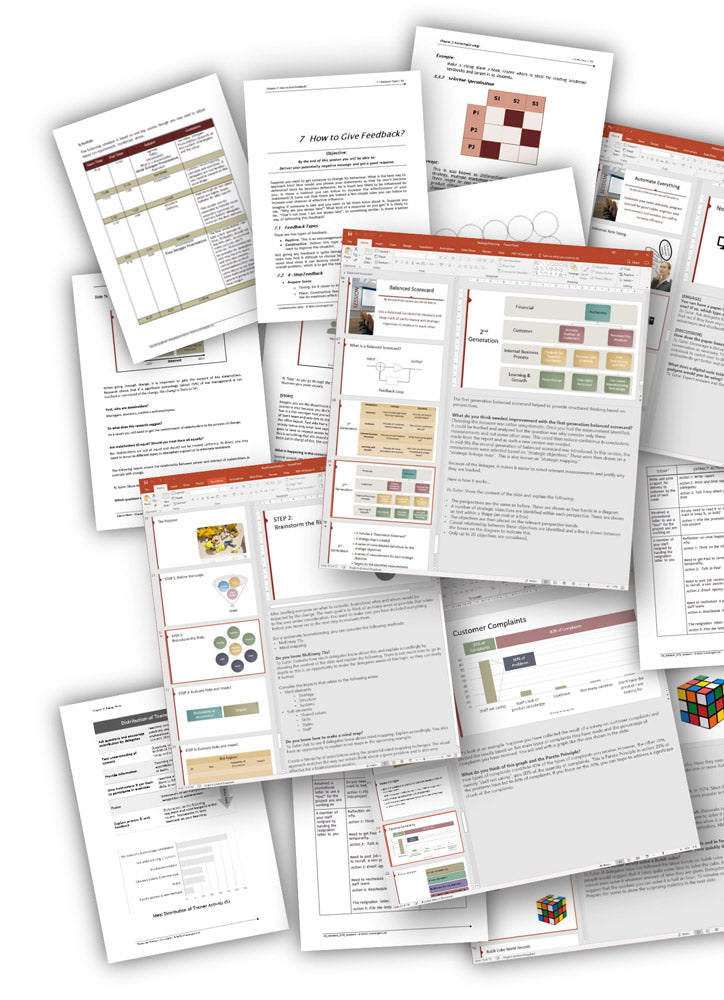
Editable slides, trainer notes, workbooks and exercises. Download, customise and reuse.
Why Choose Our Training Materials?

Online Train the Trainer Course:
Core Skills
CPD Accredited
Turn Your Expertise into Engaging, Well-Structured Training
Topics
Need a Complete Soft Skills Course to Deliver?
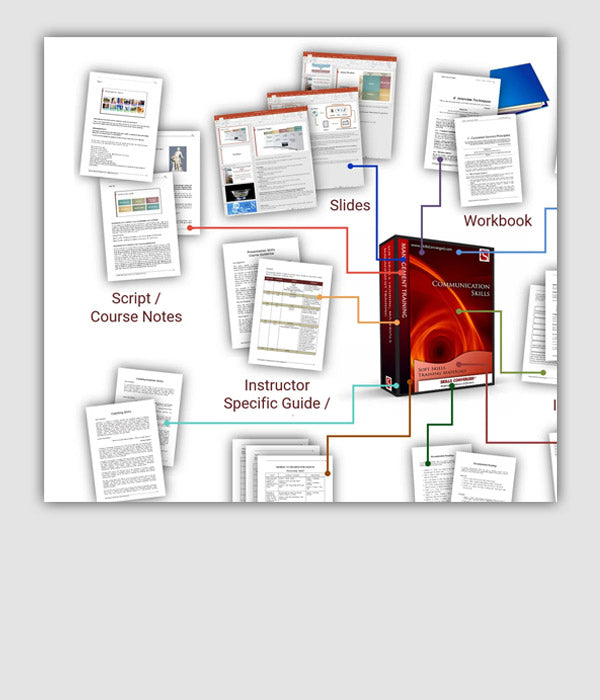
Save preparation time with ready-to-use course packs containing editable slides, detailed trainer notes, participant workbooks and engaging exercises.
Management ◆ Interpersonal Development ◆ Personal Development
The Most Similar Exercises & Articles to This in Order of Similarity Are:






Resources for Trainers and Course Designers
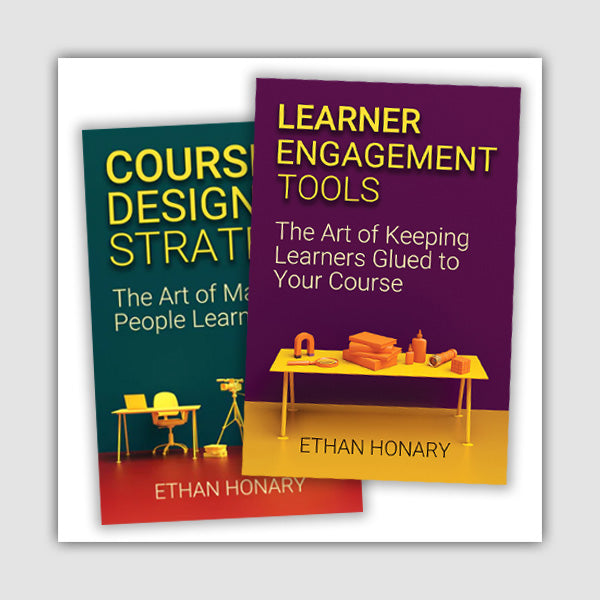
Instructional Design Books
Practical books on course design, learner engagement and training delivery, available in paperback and ebook

Free Training Resources
Download a complete sample course with training activities, assessment forms and practical resources for trainers.

Comprehensive Body Language Guide
Explore body language, gestures, posture, facial expressions and non-verbal communication in one practical guide.

Train the Trainer Resources
Improve course design and delivery with practical guides, specialist books and Train the Trainer courses.
1 comment
Samir Muhaisen
Great activity
Leave a comment
All comments are moderated before being published.
This site is protected by hCaptcha and the hCaptcha Privacy Policy and Terms of Service apply.