



Purpose
This creative and analytical writing activity helps delegates explore how bias, emotional state and perception affect communication. It encourages critical thinking, creative expression and sharpens awareness of how subjective storytelling can distort or reshape simple truths. The Unreliable Narrator Challenge is a rich and engaging exercise that bridges creative writing, psychological insight and communication training. It helps delegates to sharpen their ability to detect emotional filters, interpret perspectives and communicate with greater clarity and empathy. It is useful for leadership, communication and interpersonal dynamics.
Objective
Delegates write a short narrative describing a simple factual event, but from the perspective of an unreliable narrator. This is someone whose emotions, beliefs or flaws distort the truth. They then share and analyse how the narrator’s viewpoint shaped the audience’s perception.
What You Need
- A list of Factual Prompts (examples provided below)
- Writing paper or laptops (depending on your setup)
- Flipchart or whiteboard for group discussion
Setup
- Give a brief explanation of what an unreliable narrator is. It is someone whose version of events may be distorted due to emotion, bias, exaggeration, paranoia, forgetfulness or personal agenda.
- Provide a list of narrator styles to choose from. Examples:
Overly dramatic
Deeply paranoid
Emotionally overwhelmed
Selectively forgetful
Naively optimistic
Manipulative or self-justifying
Childlike
Cynical or jaded
- Share 6–8 Factual Prompts.
- Get each delegate to choose one or give one at random.
- Instruct delegates to write a 250–300 word story that describes the event from the unreliable narrator’s point of view. Allocate 15 minutes for this.
- Encourage creativity, subtlety and realism. The narrator shouldn’t announce their unreliability. It should come through in how they interpret and relay facts.
- Once they have finished writing, pair them up and get each pair to share what they have written and give feedback to each other.
- Optionally, have delegates work in pairs from the start and co-write a shared version with a narrator they build together.
- Bring everyone together and ask them to share their insights.
- Follow with a discussion.
Factual Prompts
- A pen rolled off a desk.
- A clock chimed three times.
- Someone knocked on the front door.
- A car parked outside and didn’t leave.
- The power flickered during a meeting.
- A package arrived late.
- A dog barked once and then went quiet.
- A colleague looked at their phone and walked away.
Timing
Explaining the Exercise: 5 minutes
Activity: 15 min writing the narrative + 10 min sharing in pairs = 25 minutes
Group Feedback: 10 minutes
Discussion
Once stories are shared, guide the group discussion with the following questions:
- What clues made the narrator seem unreliable?
- How did their personality or emotional state affect your trust in the story?
- Did the facts of the event remain clear, or were they buried by bias?
- Can you think of examples in the workplace where communication might come through a biased ‘narrator’?
- What are the real-life risks of assuming someone’s version of a situation is fully objective?
- How can we become more aware of our own ‘narrative filters’?
Variations
- Role Reversal: After writing, ask each delegate to rewrite the same story from a neutral third-person point of view. Compare how the tone and facts shift.
- Guess the Bias: Read a few stories aloud anonymously. Let others guess what kind of unreliable narrator was being used.
- Live Storytelling: Instead of writing, have delegates verbally improvise the story to explore tone and delivery.
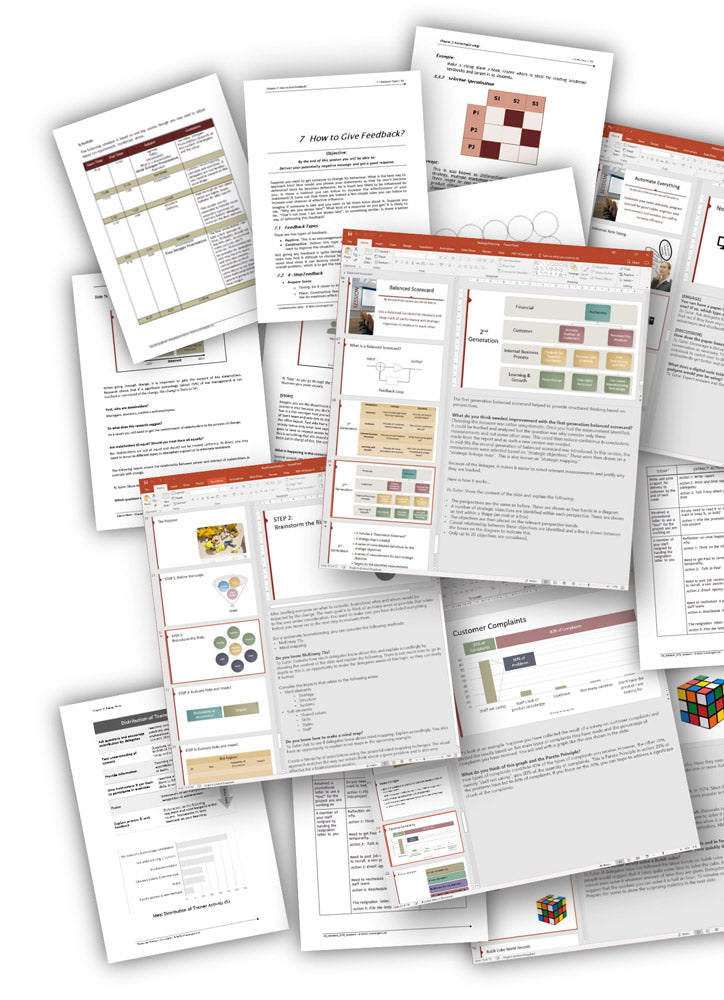
Ready-to-Use Soft Skills Training Materials
Editable slides, trainer notes, workbooks and exercises. Download, customise and reuse.
Why Choose Our Training Materials?

Online Train the Trainer Course:
Core Skills
CPD Accredited
Turn Your Expertise into Engaging, Well-Structured Training
Topics
Need a Complete Soft Skills Course to Deliver?
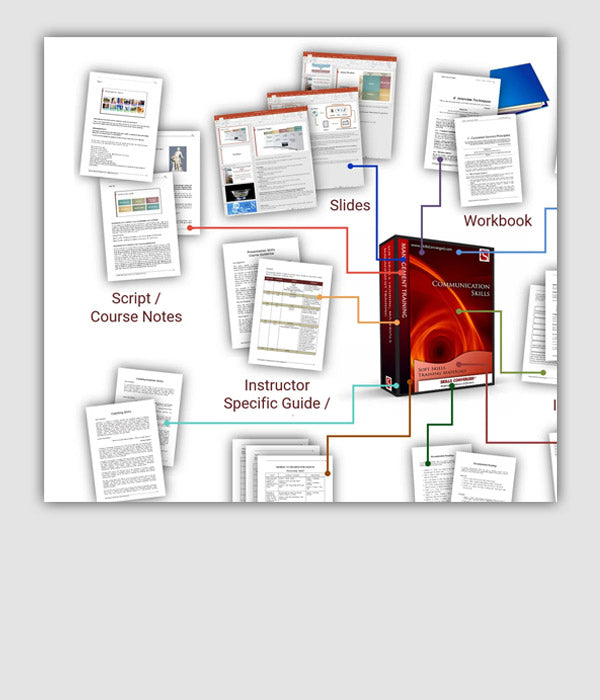
Save preparation time with ready-to-use course packs containing editable slides, detailed trainer notes, participant workbooks and engaging exercises.
Management ◆ Interpersonal Development ◆ Personal Development
The Most Similar Exercises & Articles to This in Order of Similarity Are:






Resources for Trainers and Course Designers
Instructional Design Books
Practical books on course design, learner engagement and training delivery, available in paperback and ebook

Free Training Resources
Download a complete sample course with training activities, assessment forms and practical resources for trainers.

Comprehensive Body Language Guide
Explore body language, gestures, posture, facial expressions and non-verbal communication in one practical guide.

Train the Trainer Resources
Improve course design and delivery with practical guides, specialist books and Train the Trainer courses.
Leave a comment
All comments are moderated before being published.
This site is protected by hCaptcha and the hCaptcha Privacy Policy and Terms of Service apply.