


Purpose
AI can write, but only humans can guide it with context. Knowing your audience is not optional, it is the core of effective branding and communication. The clearer the persona, the more tailored and resonant the creative work. This practical exercise illustrates how deep audience understanding shapes marketing effectiveness, especially when using AI tools to generate content. It demonstrates that generic prompts lead to generic results. Delegates learn that specificity and strategic context are key in AI-assisted creative processes. This exercise is particularly impactful for training in branding, persona development, AI prompting, UX writing, advertising or content strategy. You can run this exercise in classroom or online.
Objective
Delegates are divided into three teams and given the exact same product and marketing objective. Each team uses AI to generate a full-page inflight magazine ad, but with a different level of audience specificity. They then compare outputs to evaluate how persona-driven targeting transforms copy, tone and visuals.
What You Need
- A shared Product Description and a clear marketing objective (examples below).
- Access to AI content generation tools such as ChatGPT and Gemini.
- Access to AI image generators such as Sora, Midjourney, Adobe Firefly.
- Design tools like Adobe InDesign, Canva, MS Power Point or Google Slides for layout.
- Printed or digital Persona Briefs for Group B and C.
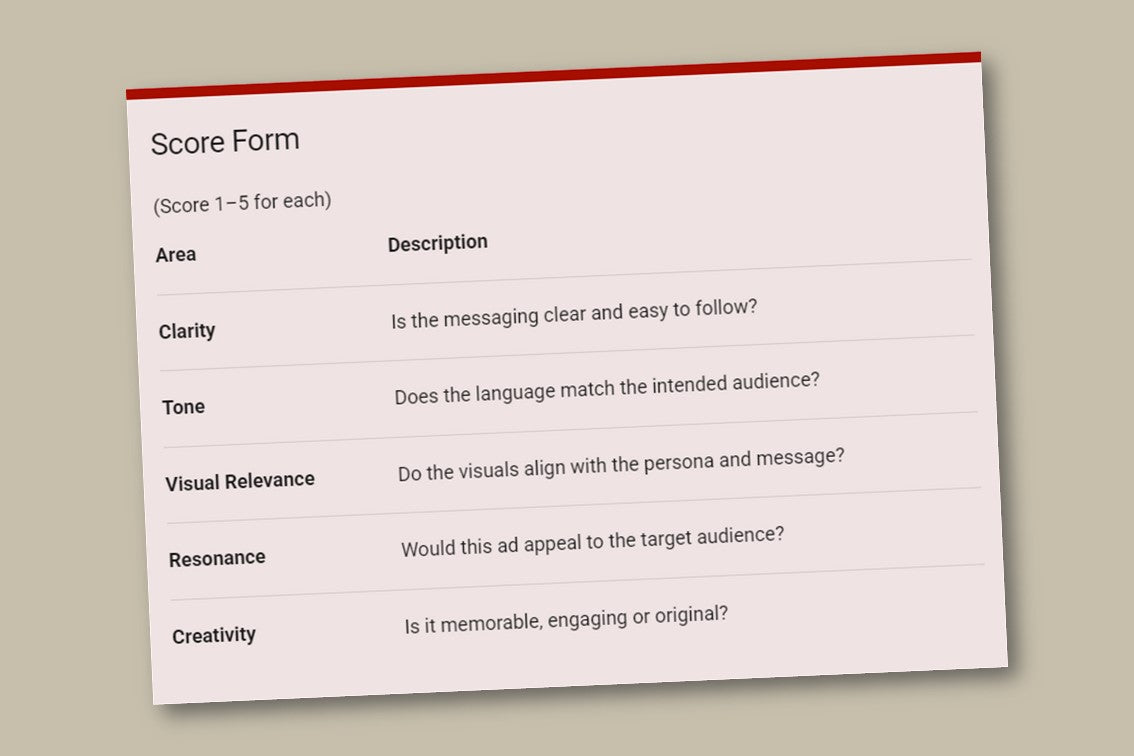
- A Score Form for peer evaluation on clarity, tone, visual appeal and audience fit. An example is provided at the end. You need a stack of these.
Setup
- Divide delegates into three groups: A, B and C.
- Provide all groups with the same Product Description. Example:
“Sell a new type of noise-cancelling travel pillow to travellers on long-haul flights.”
- Explain the design challenge:
- They should design a full-page ad for an inflight magazine.
- It must include headline, body copy, visuals and at least one creative tagline or blurb.
- Assign different Persona Briefs:
Group A: No persona, general audience.
Group B: Target persona is a 25-year-old first-time traveller.
Group C: Target persona is a 60-year-old affluent traveller in the luxury segment.
- Groups must use AI tools to generate both text and visuals. Depending on training goals, you may:
- Assign specific AI tools to use (if training in tool-specific skills)
- Or let groups choose their own tools (if training in strategic thinking)
- Groups can bring the AI components together using traditional software tools used to compose such content such as Adobe InDesign. The aim is not to create the entire ad in one go using a single AI tool. Instead, the focus is to get the delegates make decisions on marketing design. You also want to make them more familiar with the capability of various AI tools.
- Allow an hour for ad creation depending on your group’s familiarity with tools.
- After the allocated time, bring everyone back together and get each of the three teams to present their ads to the class. For each team go through the following (15 minutes):
- The team shows their ad design on screen for the class to see.
- Get everyone to use the Score Form and score the ad in private. They don’t have to reveal their answers yet. Each team rates the others, but not themselves.
- Get presenters to explain the AI tools they used, what worked, what didn’t and why they ended up with the current design.
- Let the class discuss this further with the aim to understand how to incorporate AI tools and how to tailor a message for a specific audience when creating an ad.
- Collect Score Forms for this ad design, share results and discuss.
- Continue until all groups have presented.
- You can optionally go through multiple rounds by rotating character briefs for teams. If you do, you must also target a different sector and give a different ad assignment to keep the exercise engaging.
- Follow with a discussion.
Timing
Explaining the Exercise: 5 minutes
Activity: 1 hour ad creation + (15 min presentation and analysis x 3 groups) = 1 hour 45 minutes
Group Feedback: 10 minutes
Discussion
- Which ad was the most effective? Why?
- How did the lack of a persona (Group A) impact the clarity or tone of the copy?
- What specific language or visual choices reflected the age or lifestyle of the persona?
- How did AI support or limit your ability to tailor the message?
- What would you do differently in your prompt (or AI prompting process) next time to get better results?
Score Form
(Score 1–5 for each)
Area
Description
Clarity
Is the messaging clear and easy to follow?
Tone
Does the language match the intended audience?
Visual Relevance
Do the visuals align with the persona and message?
Resonance
Would this ad appeal to the target audience?
Creativity
Is it memorable, engaging or original?
Ready-to-Use Soft Skills Training Materials
Editable slides, trainer notes, workbooks and exercises. Download, customise and reuse.
Why Choose Our Training Materials?

Online Train the Trainer Course:
Core Skills
CPD Accredited
Turn Your Expertise into Engaging, Well-Structured Training
Topics
Need a Complete Soft Skills Course to Deliver?
Save preparation time with ready-to-use course packs containing editable slides, detailed trainer notes, participant workbooks and engaging exercises.
Management ◆ Interpersonal Development ◆ Personal Development
The Most Similar Exercises & Articles to This in Order of Similarity Are:




Resources for Trainers and Course Designers
Instructional Design Books
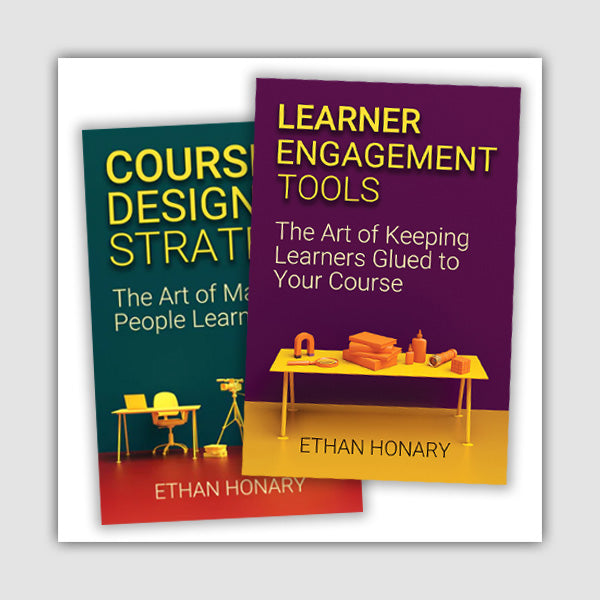
Practical books on course design, learner engagement and training delivery, available in paperback and ebook

Free Training Resources
Download a complete sample course with training activities, assessment forms and practical resources for trainers.

Comprehensive Body Language Guide
Explore body language, gestures, posture, facial expressions and non-verbal communication in one practical guide.

Train the Trainer Resources
Improve course design and delivery with practical guides, specialist books and Train the Trainer courses.
Leave a comment
All comments are moderated before being published.
This site is protected by hCaptcha and the hCaptcha Privacy Policy and Terms of Service apply.