



Purpose
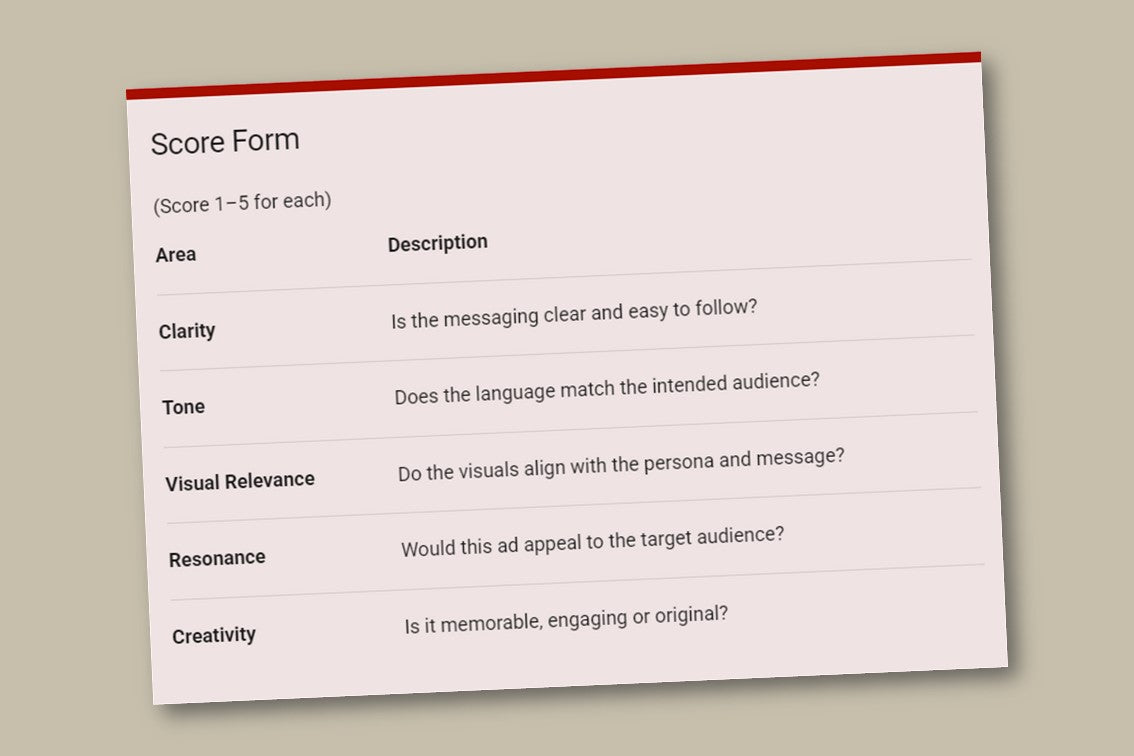
This exercise helps to develop delegates’ observational skills on advertisement and marketing and also helps them design their own ads. It creates discussions on what works and what does not in designing an advertisement. Delegates can use this knowledge to get inspired and create effective and interesting advertisements for their products.
Objective
Collect examples of good and bad advertisements and then design your own advert based on what you have learned from them.
What You Need
- Computer and projector
- Since delegates would need to take pictures of advertisements during a lunch break, the training venue should be in a place where delegates can go out during a break and be exposed to a lot of visual advertisements like those typically found in a city centre.
- Alternatively, you can split the exercise into two parts; assign delegates a task to collect images of advertisement in their own time and then bring these to the class at a later time so you can go through the main exercise with them.
- Optional access to computers.
Setup
Part 1:
- Just before the lunch break, explain to delegates that they will need to carry out a task during their break for their next exercise.
- Ask delegates to leave the premises and quickly explore the local area while paying particular attention to advertisements. Examples are billboards, posters on bus stops, advertisement on buses and those displayed at shop windows.
- Ask delegates to take pictures of these advertisements with their mobile phones. They will need to take pictures of at least 10 interesting advertisements. An interesting advert is one that is either positively impressive or one that is particularly poor and ineffective.
Part 2:
- After the break and when it is ideal to go through this exercise, ask delegates to get their mobile phones ready.
- Arrange to transfer each delegate’s images to a separate folder on the computer that is connected to the projector.
- Ask delegates to go through their images and select two images so that they can:
- Choose the worst advertisement and explain why
- Choose the best advertisement and explain why
- After 5 minutes, bring back everyone together.
- Ask a volunteer to start.
- Show the images taken by the volunteer one by one from the folder on the computer so everyone can see the images on the projector.
- Ask the delegate who has taken the images to:
- Provide an example of the worst advertisement he saw, present it to others and explain why
- Provide an example of the best advertisement he saw, present it to others and explain why
- Encourage others to provide feedback and also take notes on what ads work and what don’t as they would need this later on.
- Continue one by one until the images of all delegates are covered.
- Allocate about 3 minutes for each delegate.
Part 3:
- Ask the delegates to design a visual advertisement for a product of their choice based on what they have learned in Part 2. This can be an advertisement for a poster, billboard or anyone in public. Avoid online advertisement to keep the exercise focused.
- It is best if they focus on a product related to their work.
- Optionally you can provide access to computers so delegates can design their ads on computers.
- Allocate 20 minutes for this part.
- After the allocated time, ask delegates to present their designs one by one and explain the reasoning behind important design choices.
- Ask others to provide feedback.
- Allocate about 3 minutes for each delegate.
- Continue until all delegates have presented.
- Follow with a discussion.
Timing
Explaining the Exercise: 10 minutes
Activity:
Part 1: As necessary
Part 2: 5 min deciding best image + (3 min * N) presentations = 29 minutes for 8 delegates
Part 3: 20 min design + (3 min * N) sharing the design and feedback = 44 minutes for 8 delegates
Group Feedback: 10 minutes
Discussion
What were the most important lessons on the design of an advertisement in this exercise? What did you learn from others? What did you think of other delegates’ choices of good and bad advertisements? What do you think of your own design now that you have received feedback about it? In what way do you plan to change it?
Ready-to-Use Soft Skills Training Materials
Editable slides, trainer notes, workbooks and exercises. Download, customise and reuse.
Why Choose Our Training Materials?

Online Train the Trainer Course:
Core Skills
CPD Accredited
Turn Your Expertise into Engaging, Well-Structured Training
Topics
Need a Complete Soft Skills Course to Deliver?
Save preparation time with ready-to-use course packs containing editable slides, detailed trainer notes, participant workbooks and engaging exercises.
Management ◆ Interpersonal Development ◆ Personal Development
The Most Similar Exercises & Articles to This in Order of Similarity Are:



Resources for Trainers and Course Designers
Instructional Design Books
Practical books on course design, learner engagement and training delivery, available in paperback and ebook

Free Training Resources
Download a complete sample course with training activities, assessment forms and practical resources for trainers.

Comprehensive Body Language Guide
Explore body language, gestures, posture, facial expressions and non-verbal communication in one practical guide.

Train the Trainer Resources
Improve course design and delivery with practical guides, specialist books and Train the Trainer courses.
Leave a comment
All comments are moderated before being published.
This site is protected by hCaptcha and the hCaptcha Privacy Policy and Terms of Service apply.