


Purpose
This exercise builds advanced consultative selling skills by training delegates to focus entirely on uncovering the buyer’s needs, challenges and motivations. It makes delegates focus on strategic questioning, rather than jumping to the pitch. It reinforces the importance of discovery, rapport-building and emotional intelligence in sales conversations. Delegates leave with better habits for listening, tailoring conversations and positioning themselves as trusted advisors rather than transactional sellers. Ideal for advanced sales skills training.
Objective
In this focused roleplay, one delegate plays a salesperson whose only goal is to ask high-quality questions that reveal the buyer’s real needs, priorities and pain points. They are scored on the relevance, depth and strategic flow of their questions, not their persuasion or closing technique.
What You Need
- Prepared Buyer Profiles (examples are provided below). Ideally you need to create these based on the background of your delegates and the specific training needs of the course you are running.
- A Scoring Form with question quality criteria, provided at the end.
- Space for pairs or breakout rooms if run online
Setup
- Divide delegates into pairs. One is the salesperson, the other the buyer.
- If you have an odd number, form a group of three and assign the third person as an observer, who scores and provides feedback.
- Provide each buyer with a Buyer Profile describing:
- Their role, organisation, challenges and general attitude
- A few key pain points or unmet needs (some clear, some subtle)
- Their openness to talking with salespeople (e.g., sceptical, friendly, impatient)
- The salesperson’s goal is to use SPIN, Challenger, or consultative sales questioning techniques to draw out the following. More details about these methods are provided at the end.
- The current situation
- The key problems or frustrations
- The emotional and business impact
- What an ideal solution might look like
- Emphasise: no pitching allowed. This round is about listening, probing and understanding. The following is not allowed:
- Presenting features, pricing, or timelines.
- Promising outcomes or arguing value.
- Leading questions that smuggle in a pitch, for example “If you had a software tool that…?”.
- Give each pair 8 minutes for the conversation.
- After the roleplay, allow 4 minutes for feedback:
- If in a trio, the observer provides feedback using the scoring sheet
- If in pairs, buyers give verbal feedback based on the quality of questions
- Swap roles and repeat.
- Bring back everyone together and get them to share their insights (10 minutes).
- Follow with a discussion.
Timing
Explaining the Exercise: 2 minutes
Activity: (8 min questioning + 4 min feedback) x 2 rounds + 10 min sharing insights = 34 minutes
Group Feedback: 10 minutes
Discussion
- What questions unlocked the most insight?
- Which questions led to the most emotional or impactful responses?
- What felt natural and what felt forced?
- How did the buyer feel when asked thoughtful, personalised questions?
- How can this improve your real-world client discovery conversations?
Variations
- Include an Observer Role: Divide to groups of three where one person acts as an observer. The observer listens and scores the questions using the rubric. Run three times so everyone gets a chance to act as the salesperson.
- Follow-up Pitch Exercise: In a follow up exercise, allow the salesperson to pitch, but only after earning the buyer’s trust and summarising the needs they heard.
- Challenge Mode: Give buyers a specific ‘attitude’ to act out (e.g., rushed, defensive, disinterested) to make questioning more realistic.
Buyer Profiles – Examples
- Operations Manager at a Manufacturing Plant
- Experiencing delays in supply chain visibility
- Tired of software overhauls; worried about staff resistance to change
- HR Director at a Tech Startup
- Struggling with employee turnover and poor engagement metrics
- Wants solutions but is wary of gimmicks and buzzwords
- Retail Store Owner
- Has seen a drop in foot traffic and is unsure how to adapt
- Distrusts digital consultants after a failed website project
- Finance Director at a Nonprofit
- Needs better reporting tools but must justify ROI to the board
- Prioritises transparency and long-term impact
Scoring Form
Question Type
Description
Score
(1–5)Situation Questions
Established context without sounding generic or scripted
Problem Questions
Probed gently but deeply into pain points
Implication Questions
Explored the consequences of the problems effectively
Need-Payoff Questions
Encouraged the buyer to articulate potential benefits
Listening & Flow
Allowed space for answers, adapted follow-ups intelligently
Sales Frameworks
SPIN (Situation, Problem, Implication, Need–Payoff)
- Situation: “How are you currently tracking supply delays across plants?”
- Problem: “Where do hand-offs usually break down?”
- Implication: “When those delays aren’t flagged quickly, what kind of ripple effects do you see, production downtime, customer complaints, or missed deadlines?”
- Need–Payoff: “If you had real-time visibility into those delays, how would that change the way your team plans or reacts during high-pressure weeks?”
Challenger (Teach, Tailor, Take Control, via questions, not pitching)
- Teach (reframe with a question): “Some teams are finding the real engagement drop happens after onboarding, not during hiring. Have you noticed any similar patterns in your early turnover data?”
- Tailor: “Since you are navigating rapid growth with a lean team, how are you prioritising which issues actually make it onto your roadmap?”
- Take control (respectfully): “Would it be helpful if we zeroed in on the single point that’s causing the most internal friction, even if it’s a bit awkward to unpack?”
Consultative (rapport, empathy, co-diagnosis)
- Rapport: “Just so I respect your time, is there anything specific you're hoping we don’t spend too much time on today?”
- Empathy probe: “Sounds like this issue has been dragging for a while, what’s been the most frustrating part for your team day-to-day?”
- Co-create criteria: “If this solution worked exactly as you needed, what would your team be able to do next month that they can’t do now?”
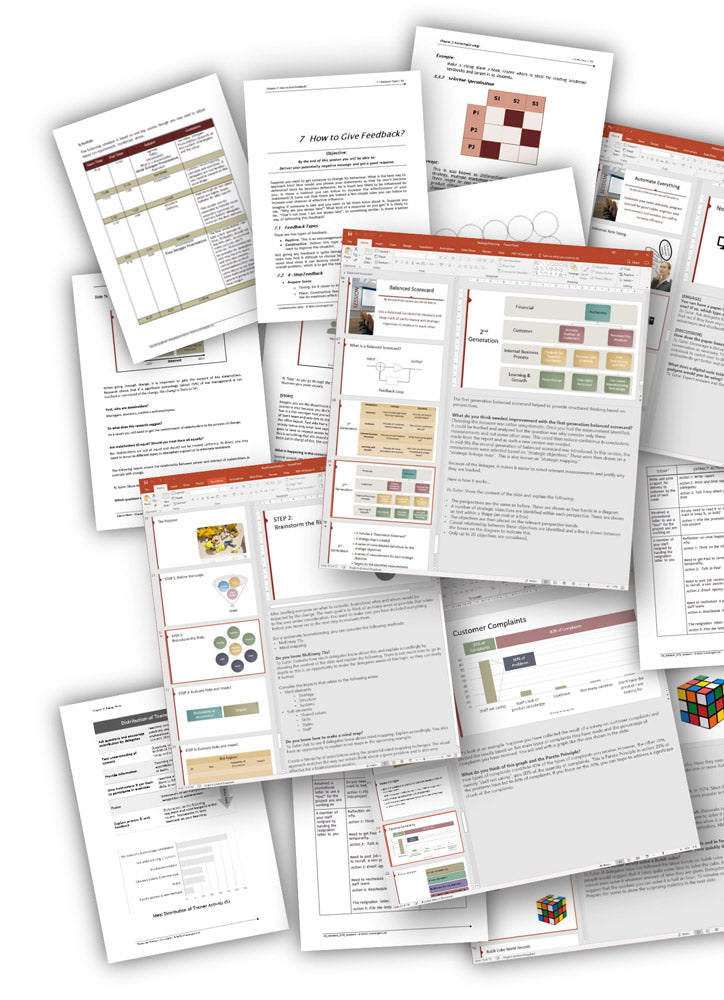
Ready-to-Use Soft Skills Training Materials
Editable slides, trainer notes, workbooks and exercises. Download, customise and reuse.
Why Choose Our Training Materials?

Online Train the Trainer Course:
Core Skills
CPD Accredited
Turn Your Expertise into Engaging, Well-Structured Training
Topics
Need a Complete Soft Skills Course to Deliver?
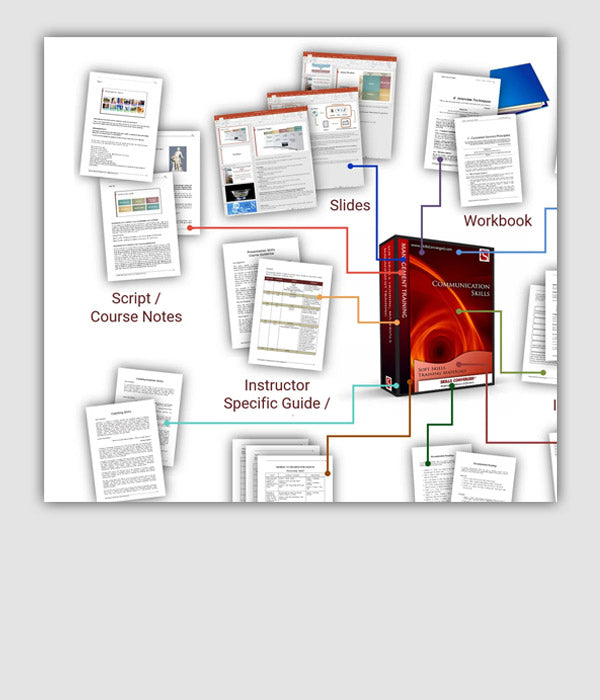
Save preparation time with ready-to-use course packs containing editable slides, detailed trainer notes, participant workbooks and engaging exercises.
Management ◆ Interpersonal Development ◆ Personal Development
The Most Similar Exercises & Articles to This in Order of Similarity Are:






Resources for Trainers and Course Designers
Instructional Design Books
Practical books on course design, learner engagement and training delivery, available in paperback and ebook

Free Training Resources
Download a complete sample course with training activities, assessment forms and practical resources for trainers.

Comprehensive Body Language Guide
Explore body language, gestures, posture, facial expressions and non-verbal communication in one practical guide.

Train the Trainer Resources
Improve course design and delivery with practical guides, specialist books and Train the Trainer courses.
Leave a comment
All comments are moderated before being published.
This site is protected by hCaptcha and the hCaptcha Privacy Policy and Terms of Service apply.