



Purpose
This exercise helps participants develop empathy and strategic negotiation skills by requiring them to switch roles halfway through a negotiation. By experiencing both sides of the negotiation, delegates will gain insight into the needs and interests of the opposing party, improving their ability to anticipate and navigate complex negotiations.
Objective
Delegates will engage in a negotiation scenario, such as negotiating salary, project deadlines, or contract terms. Midway through the exercise, they must switch roles, with the original ‘buyer’ becoming the ‘seller’ and vice versa. This role reversal will help participants understand both sides of the negotiation and refine their strategies accordingly.
What You Need
- Negotiation Scenarios printed on cards. Add any that you think is suitable for your training needs. A set is provided at the end. Here is an example:
Salary Negotiation
One participant plays the employee asking for a raise, and the other plays the manager who must justify the company’s budgetary constraints.
- Papers for taking notes or planning strategies.
Setup
- Introduce the concept of negotiation and the importance of understanding both parties’ perspectives. Explain that successful negotiation is not just about winning but about finding a mutually beneficial solution, which requires understanding the other party’s interests and constraints.
- Prepare Negotiation Scenarios relevant to the group.
- Divide participants into pairs, assigning one as the ‘buyer’ and the other as the ‘seller’. Distribute a Negotiation Scenario to each pair. Allow a couple minutes to review their roles and plan their strategies.
- Begin the negotiation, giving participants about 5 minutes to negotiate in their initial roles. Encourage them to focus on their own interests, but also to listen carefully to the other party’s arguments.
- After 5 minutes, announce the role reversal where the ‘buyer’ and ‘seller’ swap roles, mid negotiation. They should pick up where they left off but now negotiate from the other side’s perspective. Give pairs another 5 minutes to continue the negotiation.
- Once both rounds are complete, ask each pair to share the outcomes of their negotiations, and then lead a group debrief to discuss how their strategies changed after the role reversal and what insights they gained.
Timing
Explaining the Exercise: 2 minutes
Activity: 5 min first round + 5 min second round = 10 minutes
Group Feedback: 10 minutes
Discussion
Facilitate a group discussion with the following:
- How did your negotiation strategy change once you switched roles?
- Were you surprised by the interests or challenges faced by the other side once you assumed their role?
- What did you learn about your own negotiation style by seeing things from the opposite perspective?
- How did the role reversal impact your ability to empathise with the other party’s position?
- What challenges did you face when trying to balance your own needs with the other party’s interests?
- What are the top insights you gained from this exercise?
- Did you find that switching roles helped you anticipate the other party’s negotiation tactics more effectively?
Negotiation Scenarios
Salary Negotiation
One participant plays the employee asking for a raise, and the other plays the manager who must justify the company’s budgetary constraints.
Project Deadline Negotiation
One participant is the project manager trying to extend a project’s deadline, while the other is the client who wants the project completed on time.
Contract Terms Negotiation
One participant is a service provider negotiating higher fees, while the other is the client negotiating for lower costs.
Vendor Price Negotiation
One participant plays a supplier negotiating higher prices due to increased material costs, while the other plays the procurement officer trying to lock in lower rates for long-term contracts to manage the company’s budget.
Scope Creep Negotiation
One participant plays a freelancer or contractor negotiating higher fees due to an expanding project scope, while the other plays the client who wants to keep costs down and maintain the original budget.
Office Space Allocation Negotiation
One participant plays a department head requesting more office space or a better location within the company due to team expansion, while the other plays the operations manager responsible for facility constraints and budget allocation for office resources.
Intellectual Property Negotiation
One participant plays a developer or creator who wants ownership or higher royalties for a piece of intellectual property (e.g., software, content, or product), while the other plays the company representative aiming to retain as much control or rights as possible while keeping costs manageable.
Flexible Hours Negotiation
One participant plays an employee requesting flexible working hours to accommodate personal or family needs, while the other plays the HR representative or manager who needs to ensure that team schedules and productivity remain unaffected.
Bonus Negotiation
One participant plays an employee who believes they have outperformed their goals and is asking for a higher year-end bonus, while the other plays the finance manager or department head who must adhere to the company’s bonus policies and budget constraints.
Ready-to-Use Soft Skills Training Materials
Editable slides, trainer notes, workbooks and exercises. Download, customise and reuse.
Why Choose Our Training Materials?

Online Train the Trainer Course:
Core Skills
CPD Accredited
Turn Your Expertise into Engaging, Well-Structured Training
Topics
Need a Complete Soft Skills Course to Deliver?
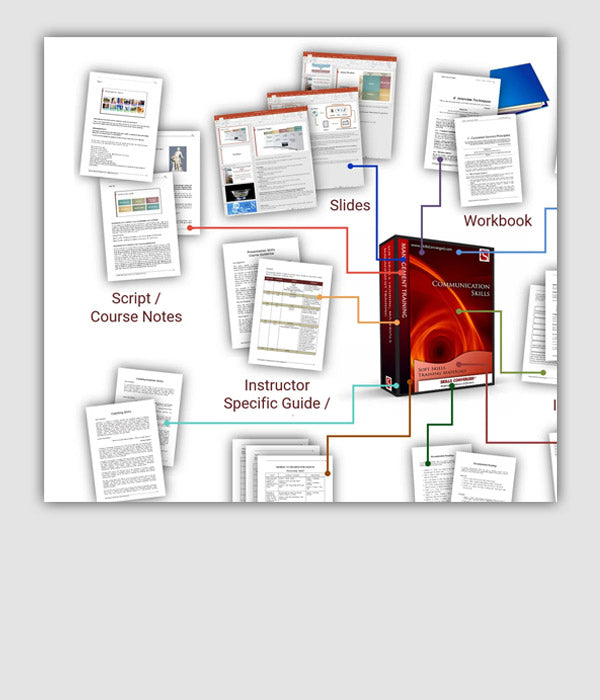
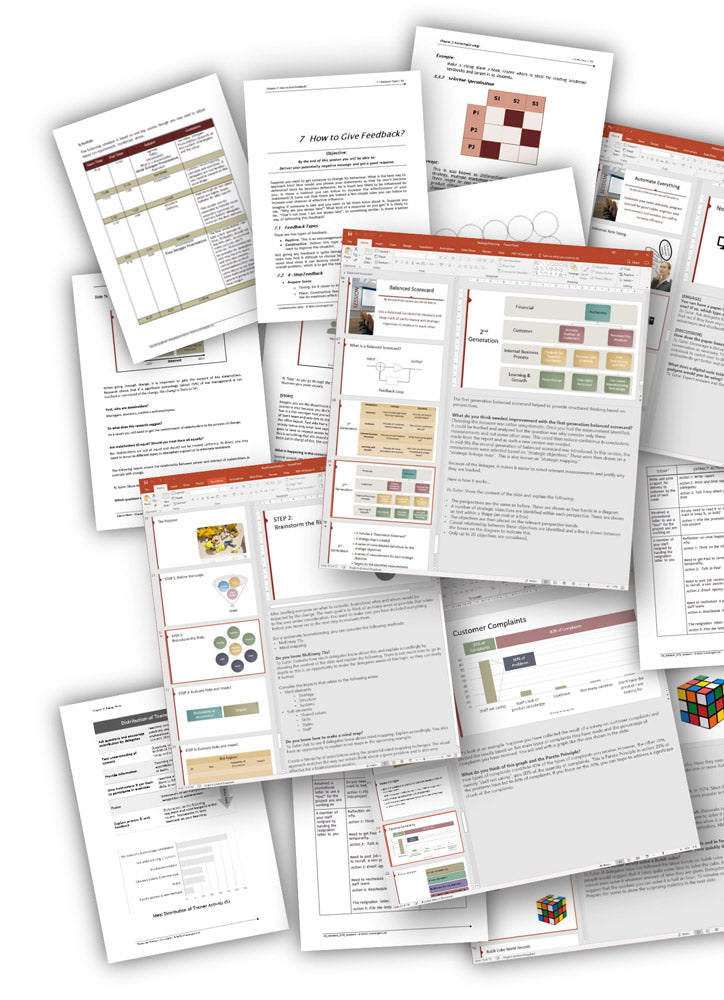
Save preparation time with ready-to-use course packs containing editable slides, detailed trainer notes, participant workbooks and engaging exercises.
Management ◆ Interpersonal Development ◆ Personal Development
The Most Similar Exercises & Articles to This in Order of Similarity Are:





Resources for Trainers and Course Designers
Instructional Design Books
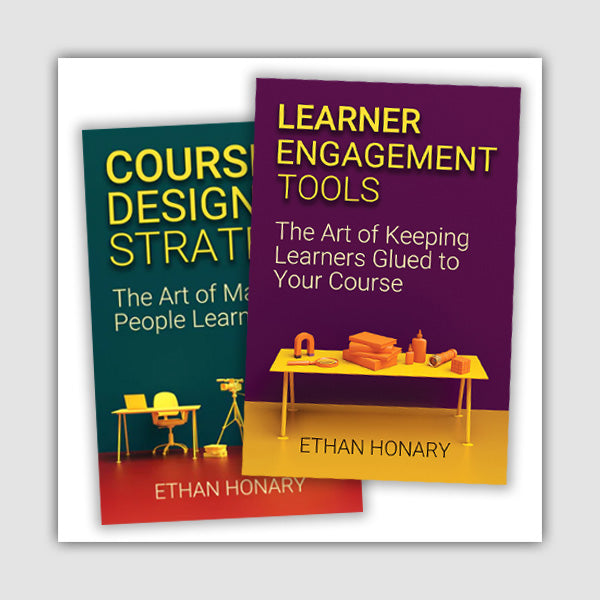
Practical books on course design, learner engagement and training delivery, available in paperback and ebook

Free Training Resources
Download a complete sample course with training activities, assessment forms and practical resources for trainers.

Comprehensive Body Language Guide
Explore body language, gestures, posture, facial expressions and non-verbal communication in one practical guide.

Train the Trainer Resources
Improve course design and delivery with practical guides, specialist books and Train the Trainer courses.
Leave a comment
All comments are moderated before being published.
This site is protected by hCaptcha and the hCaptcha Privacy Policy and Terms of Service apply.