


When conducting meetings and interacting with other people, your body language can become a critical part of your communication and may even come to define your success or failure.
There are a number of simple yet powerful strategies which can make your encounters more productive and effective. If you are an office worker, you can use these strategies to have an edge over your colleague, client or even your boss. If you are a trainer you can use them to make your training more effective and memorable.
These body language strategies are as follows:
Observe your body posture
When presenting, talking or delivering you message, don’t cross your arms. You will appear defensive and closed. Instead, show the palm of your hands, adopt an open posture with open arms and uncrossed legs and show that you are confident about your position. In particular, don’t ever close your arms when answering questions after you have given a talk or presentation.
Conduct meetings while standing
Research shows that meetings conducted while standing take significantly less time than those where people are sitting on comfortable chairs. Standing meetings will be more efficient for your organisation and will also help the staff to exercise their legs. This is particularly useful given today’s style of office work. To start this, simply remove all chairs from your meeting rooms, while providing whiteboards and marker pens. That’s all you need!
Talk within the first 30 seconds
When in the company of strangers, you may feel shy or conservative to initiate a discussion or follow up on what is currently discussed. The best way to remove your stress is to make sure you say something within the first 30 seconds of the encounter. Remember, this is not to say a simple “hi”. You need to say something that can define you, so others can get a hint of the ‘type’ of person you are and understand that you are a player. If you don’t say anything, you may find it more and more difficult to break in at later stages, not to mention that others are more likely to ignore you altogether even when you say something later on.
Watch the buttons and keep the room warm
While in a meeting, people who wear their jackets with closed buttons are more likely to cross their arms and so become more defensive to new ideas (or at least appear to be). Unbuttoning a jacket is a good sign that the person is open to the idea they just heard and you can use this knowledge to your advantage. People who appear defensive to each other can unnecessarily bring a discussion to a halt. This also suggests the important of having warm meeting rooms where you can expect the attendees to take their jackets off and minimise the chances of crossing arms and closing bodies which will eventually lead to ineffective discussions.
Travel light
People with slim briefcases appear higher up in the hierarchy as they have other people to carry the detailed paperwork for them. Going out to important meetings without an overstuffed briefcase shows that you are a person who cares about the core business and is in control of the situation. However, be careful not to arrive at your destination unprepared or without the right materials. That certainly doesn’t help you make the right impression!
Try not to touch your face
Many gestures that involve touching the face or the head while talking give away valuable signals to others. For example, touching the nose or the ears, putting fingers on the mouth or the corner of the mouth indicate lying or an attempt to mislead. Other gestures such as resting your chin on your fingers suggest that you are not convinced about what you just heard which again gives away your position. To keep your thoughts private, simply use a general rule as follows; keep your hands away from your face and preferably below your chin. This way, you keep your thoughts to yourself and also appear more authoritative.
Place your competitors with their backs to an open space
Research shows that a person with an open back is stressed with signs of increased heart rate, increased brain activity, rapid breathing and even sweating. A person with an open back may unconsciously be afraid of attacks from behind. This vulnerability may give you some advantages. Naturally, if you find yourself in this position, come up with an excuse to change your position. For example, you can say, “I have a bad back and I feel a breeze on my back, I am going to sit over there. Hope that’s OK with you.”
Ready-to-Use Soft Skills Training Materials
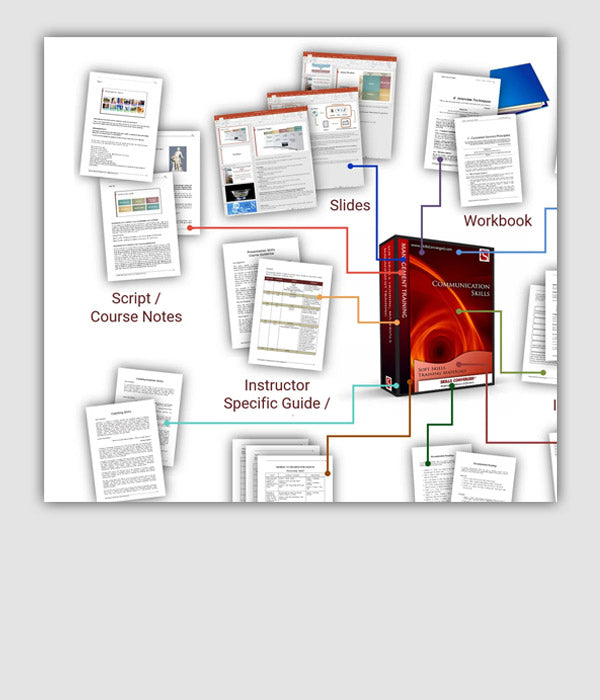
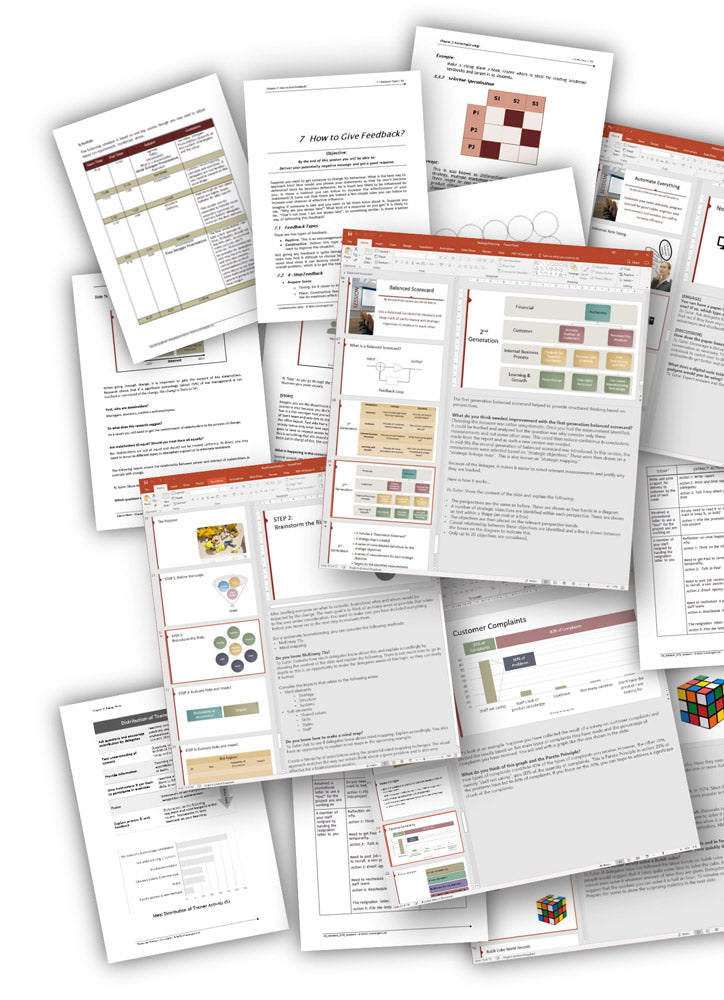
Editable slides, trainer notes, workbooks and exercises. Download, customise and reuse.
Why Choose Our Training Materials?

Online Train the Trainer Course:
Core Skills
CPD Accredited
Turn Your Expertise into Engaging, Well-Structured Training
Topics
Need a Complete Soft Skills Course to Deliver?
Save preparation time with ready-to-use course packs containing editable slides, detailed trainer notes, participant workbooks and engaging exercises.
Management ◆ Interpersonal Development ◆ Personal Development
The Most Similar Exercises & Articles to This in Order of Similarity Are:



Resources for Trainers and Course Designers
Instructional Design Books
Practical books on course design, learner engagement and training delivery, available in paperback and ebook

Free Training Resources
Download a complete sample course with training activities, assessment forms and practical resources for trainers.

Comprehensive Body Language Guide
Explore body language, gestures, posture, facial expressions and non-verbal communication in one practical guide.

Train the Trainer Resources
Improve course design and delivery with practical guides, specialist books and Train the Trainer courses.
Leave a comment
All comments are moderated before being published.
This site is protected by hCaptcha and the hCaptcha Privacy Policy and Terms of Service apply.