


Purpose
This exercise builds a growth mindset, encourages psychological safety and promotes a culture of vulnerability and learning. It helps delegates understand that mistakes can be powerful opportunities for development when shared and reflected on in a supportive environment. This exercise on reframing failure for growth and learning is not just about confessing errors, it is about building a shared language of learning. By depersonalising mistakes and making room for group reflection, you reduce fear of failure and encourage honesty, empathy and leadership that learns. Ideal for management skills, team building, resilience and trust.
Objective
Delegates will anonymously submit real-life professional mistakes. These are read aloud and discussed as a group. The focus is on extracting lessons, offering reframes and supporting a shift from blame to insight.
What You Need
- Small slips of paper or index cards
- A pen for each delegate
- A container or bowl to collect submissions
- A safe, private space with a calm, non-judgemental atmosphere
Setup
- Ask all delegates to sit in a circle to encourage openness and equality.
- Distribute a slip of paper to each delegate.
- Ask everyone to anonymously write down a short description of a real professional mistake they have made. Should be devoid of names, roles or recognisable context unless needed.
Examples
- “I missed a critical deadline because I didn’t ask for help.”
- “I hired the wrong person out of urgency.”
- “I ignored a warning sign during a project and it led to failure.”
- Ask everyone to fold it and drop it in a container. You could optionally use digital solutions to simulate this and keep it anonymous.
- Collect all the slips and place them into a container, shuffle them thoroughly.
- Pick one submission at a time and decide if reading it will reveal the identity of the person who wrote it. If so, discard and pick another.
- Once happy, read the statement aloud, in a neutral and respectful tone.
- After each mistake is read, ask the group:
Ask
- “What can we learn from this?”
- “How could this be re-framed as a growth opportunity?”
- “What could someone do differently next time?”
- “What does this mistake tell us about the pressures or challenges we all face?”
- Allow two to three minutes of open discussion per mistake. Focus on supportive insights, not judgement or speculation about who submitted it.
- Continue reading and discussing as many as time allows.
- Wrap up the session with a reflection that reinforces psychological safety and the value of sharing mistakes. Follow with a discussion.
Timing
Explaining the Exercise: 5 minutes
Activity: 3 minutes writing mistakes + 16 minutes evaluations based on 8 submissions
Group Feedback: 10 minutes
Discussion
- What surprised you during this exercise?
- Did you hear a mistake that you have made before too?
- How did it feel to hear others’ experiences without knowing who they belonged to?
- What can you take away from this that might shift how you view your own mistakes?
Variations
- Themed Mistakes: Ask for mistakes on specific topics such as delegation, communication and leadership.
- Pair Reflection: After the group discussion, ask delegates to discuss privately in pairs which mistake resonated with them most and why.
- Reframing Challenge: After reading each card, ask a volunteer to offer a one-sentence reframe: turning the mistake into a strength or insight.
Ready-to-Use Soft Skills Training Materials
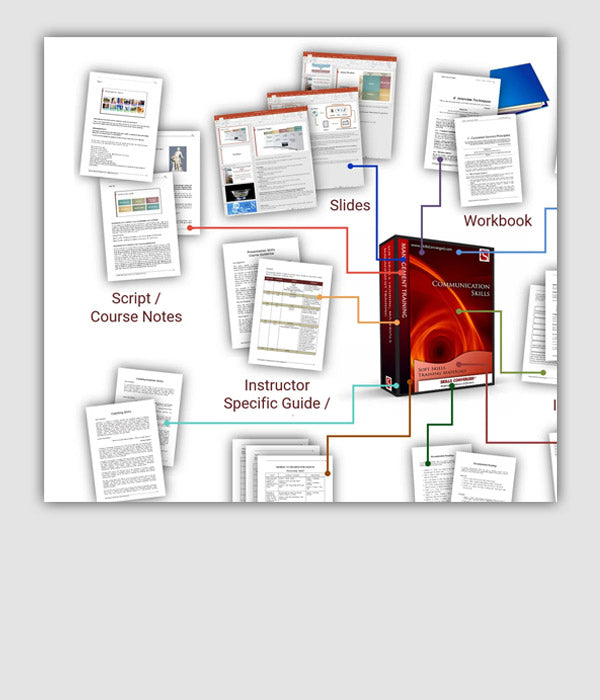
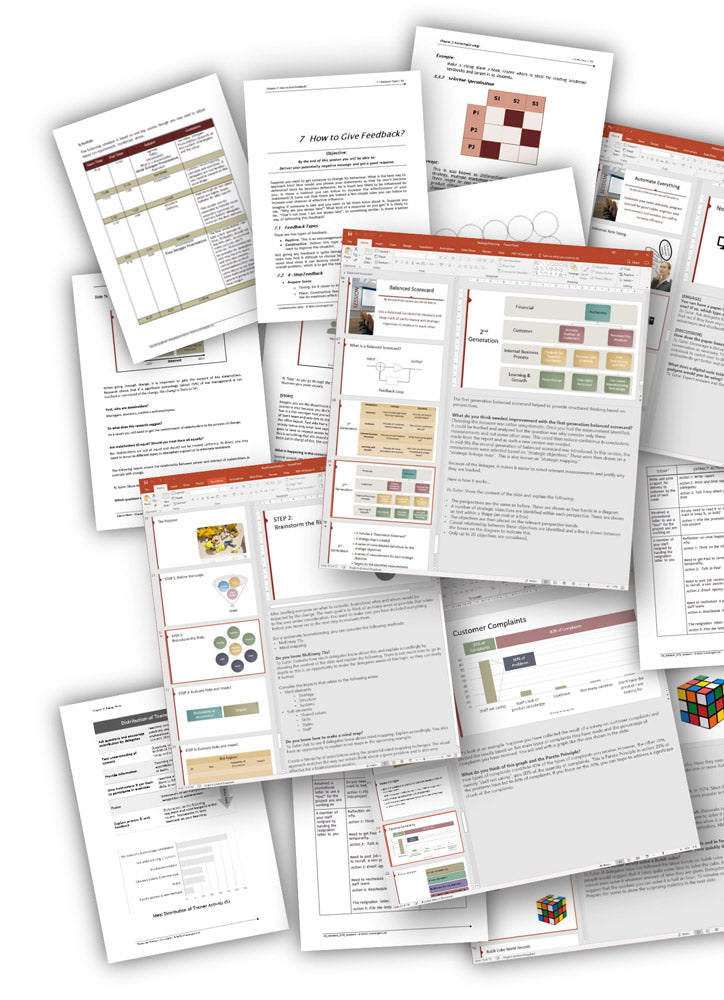
Editable slides, trainer notes, workbooks and exercises. Download, customise and reuse.
Why Choose Our Training Materials?

Online Train the Trainer Course:
Core Skills
CPD Accredited
Turn Your Expertise into Engaging, Well-Structured Training
Topics
Need a Complete Soft Skills Course to Deliver?
Save preparation time with ready-to-use course packs containing editable slides, detailed trainer notes, participant workbooks and engaging exercises.
Management ◆ Interpersonal Development ◆ Personal Development
The Most Similar Exercises & Articles to This in Order of Similarity Are:




Resources for Trainers and Course Designers
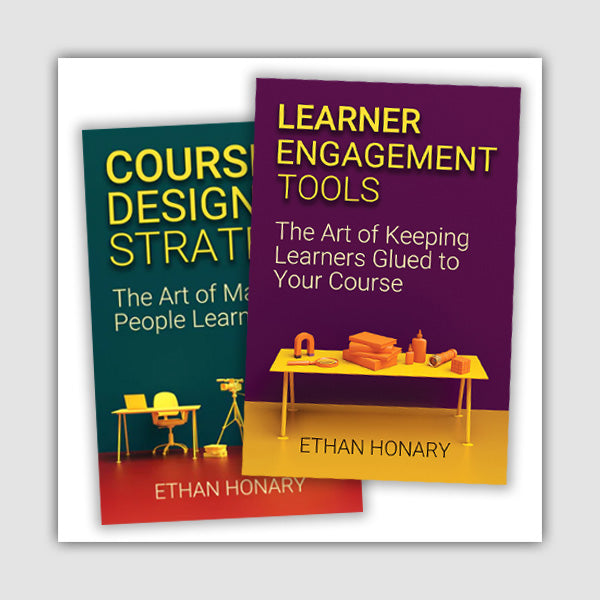
Instructional Design Books
Practical books on course design, learner engagement and training delivery, available in paperback and ebook

Free Training Resources
Download a complete sample course with training activities, assessment forms and practical resources for trainers.

Comprehensive Body Language Guide
Explore body language, gestures, posture, facial expressions and non-verbal communication in one practical guide.

Train the Trainer Resources
Improve course design and delivery with practical guides, specialist books and Train the Trainer courses.
Leave a comment
All comments are moderated before being published.
This site is protected by hCaptcha and the hCaptcha Privacy Policy and Terms of Service apply.