

Purpose
Sometimes a little action can lead to a lot of change as the actions are amplified. This exercise helps delegates see this effect in a symbolic exercise on gestures on what is famously known as the “butterfly effect”. It is ideal for courses on team building, communication skills, change management, body language and leadership skills. It also demonstrates the power of non-verbal signals and how we can be strongly sensitive to certain gestures.
Objective
Remain still and imitate a designated person physically and observe the final effect.
What You Need
- An area where a group of delegates can easily form a circle and are able to watch each other.
- A ball
Setup
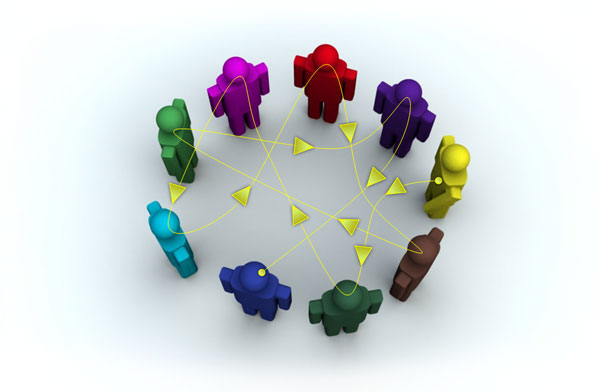
- Ask delegates to form a circle and face others.
- Give a volunteer a ball.
- Ask this person to throw it to another person.
- Ask delegates to repeat this exercise until everyone in the group gets to receive the ball only once.
- Delegates should remember who they throw the ball to which they will use for the next part of the exercise.
- While going through this exercise, don’t state anything about butterfly effect or change so that you let the delegates make their own observations.
- Ask each person to look at the person they throw the ball to. The last person should look at the first person (the volunteer) effectively closing the loop.
- For this part of the exercise, everyone must stand still and not move.
- On your mark, each person should imitate all the physical movements of the person they are observing.
- The movements are very small, but over time these get amplified through the chain and lead to bigger movements. Hence, the group goes from a very static state to a very animated and physically active state all because of the incremental changes. Lead this exercise to the discussions to explain the butterfly effect and also the concept of “positive feedback loop” which is where errors remain in the system and lead to bigger errors. Positive feedback loop systems are inherently unstable.
Timing
Explaining the Exercise: 2 minutes
Activity: 10 minutes
Group Feedback: 5 minutes
Discussion
What do you think happened in this exercise? Why did you end up in such an animated state? How does this relate to everyday life situations? What did you learn from this exercise?
Ready-to-Use Soft Skills Training Materials
Editable slides, trainer notes, workbooks and exercises. Download, customise and reuse.
Why Choose Our Training Materials?

Online Train the Trainer Course:
Core Skills
CPD Accredited
Turn Your Expertise into Engaging, Well-Structured Training
Topics
Need a Complete Soft Skills Course to Deliver?
Save preparation time with ready-to-use course packs containing editable slides, detailed trainer notes, participant workbooks and engaging exercises.
Management ◆ Interpersonal Development ◆ Personal Development
The Most Similar Exercises & Articles to This in Order of Similarity Are:



Resources for Trainers and Course Designers
Instructional Design Books
Practical books on course design, learner engagement and training delivery, available in paperback and ebook

Free Training Resources
Download a complete sample course with training activities, assessment forms and practical resources for trainers.

Comprehensive Body Language Guide
Explore body language, gestures, posture, facial expressions and non-verbal communication in one practical guide.

Train the Trainer Resources
Improve course design and delivery with practical guides, specialist books and Train the Trainer courses.
Leave a comment
All comments are moderated before being published.
This site is protected by hCaptcha and the hCaptcha Privacy Policy and Terms of Service apply.