


Purpose
This exercise helps participants to practice acting in front of a small audience. The ideal acting is one that conveys information as quickly and efficiently as possible. People need to think of ideal non-verbal gestures associated with a particular activity. Others will be looking to interpret the activity based on these gestures alone. A trainer can then teach on the importance of these gestures or how certain universal signals are interpreted quickly.
The training activity is designed to be competitive, so participants are pushed to act better. This will help to improve communication skills, relationships and in particular non-verbal interpersonal skills.
Objective
Guess what each act suggests and continue until a winning criterion is reached.
What You Need
- Open area for two groups so they can easily watch a person who acts for each group. Ideally it is better if the two groups are isolated and cannot see or hear each other.
Setup
- Divide the delegates into two groups.
- Ask each group to volunteer one person.
- Ask the two volunteers to leave the room and then between themselves think of an object. This can be any object in the world so long as they can act it out.
- Once they have decided, ask them to come back to their groups.
- Ask the volunteers to act out the object (or its use) for their corresponding groups. The rest of the team can ask closed questions that lead to yes or no answers. The volunteers should continue to act based on questions asked until one of the groups can guess the object.
- Once a group guesses correctly, it is the end of the round. Both volunteers should go to the winning group.
- Ask groups to nominate two other people and start a new round. This is a good opportunity for groups to exercise on group decision making as part of a general strategy to win.
- Continue until one group absorbs all the members.
- Encourage groups to nominate in a way so that everyone gets a chance to act at least once.
- Bring back everyone and follow with a discussion.
Timing
Explaining the Exercise: 5 minutes
Activity: 30 minutes or more depending on the number of participants
Group Feedback: 5 minutes
Discussion
How easy was it to act? Did it get easier to act and guess as you went on? Did you borrow ideas from others to improve your acting? Which acting or gestures impressed you the most?
Ready-to-Use Soft Skills Training Materials
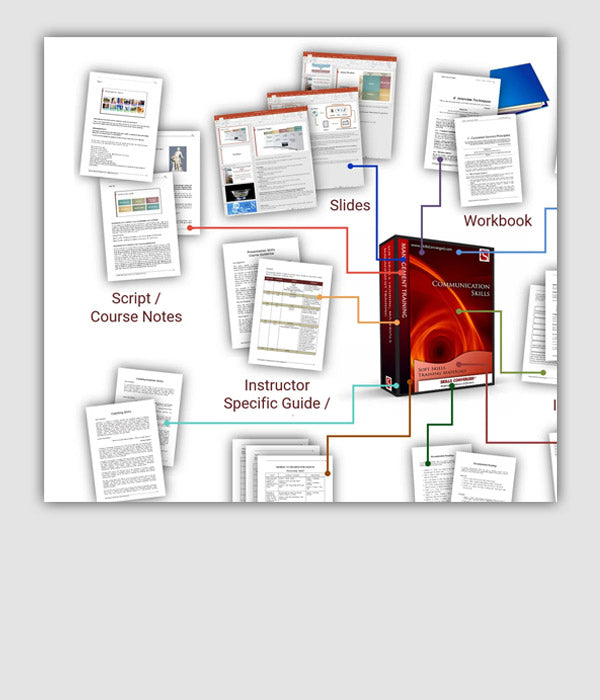
Editable slides, trainer notes, workbooks and exercises. Download, customise and reuse.
Why Choose Our Training Materials?

Online Train the Trainer Course:
Core Skills
CPD Accredited
Turn Your Expertise into Engaging, Well-Structured Training
Topics
Need a Complete Soft Skills Course to Deliver?
Save preparation time with ready-to-use course packs containing editable slides, detailed trainer notes, participant workbooks and engaging exercises.
Management ◆ Interpersonal Development ◆ Personal Development
The Most Similar Exercises & Articles to This in Order of Similarity Are:




Resources for Trainers and Course Designers
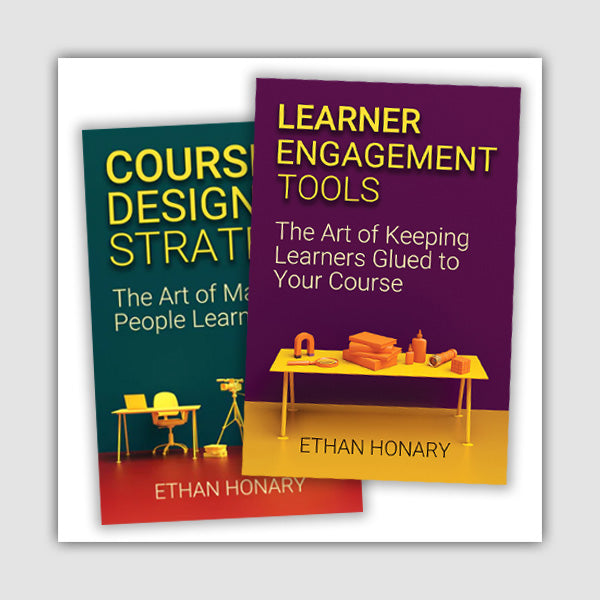
Instructional Design Books
Practical books on course design, learner engagement and training delivery, available in paperback and ebook

Free Training Resources
Download a complete sample course with training activities, assessment forms and practical resources for trainers.

Comprehensive Body Language Guide
Explore body language, gestures, posture, facial expressions and non-verbal communication in one practical guide.

Train the Trainer Resources
Improve course design and delivery with practical guides, specialist books and Train the Trainer courses.
Leave a comment
All comments are moderated before being published.
This site is protected by hCaptcha and the hCaptcha Privacy Policy and Terms of Service apply.