



Purpose
All of us go through some experiences in life where we feel victimised or wronged. The negative emotions and feelings generated by these experiences can stay with us for a long time afterwards and make us feel overtly emotional, weak, stupid or even unworthy. One way to deal with this emotional baggage is to acknowledge it and take responsibility for it. The idea here is that sharing difficult experiences and the feelings generated by them will allow delegates to acknowledge them to another person and therefore more easily come into terms with them.
Objective
Share an experience with your partner in which you felt like a victim and explain to your partner that you acknowledge the feelings and emotions generated by your experience, you take responsibility for your feelings and you accept them.
Setup
- Divide the delegates to pairs. If you have an odd number of people, either form a group of 3 or pair with one of them with yourself.
- Ask the pairs to sit as far away from each other as possible to create a sense of privacy. This allows each person to talk comfortably without being overheard by others.
- Ask delegates to nominate who would be first to share an experience where they felt like a victim.
- Ask the nominees to share the experience with their partners.
- Once the experience has been explained, the person who is sharing should explain to their partner how they felt as a result of their experience. They should talk about their specific feelings in as much detail as possible. They should examine their emotions at the time and how the experiences affected their self- esteem, confidence and interactions in their private and professional lives.
- The partners should encourage the nominees to comfortably share their stories. They can use coaching methods to facilitate the process.
- Allocate 15 minutes for this part.
- Swap roles and repeat for another 15 minutes.
- Bring back everyone together and follow with a discussion.
Timing
Explaining the Exercise: 2 minutes
Activity: 2 rounds * 10 min = 20 minutes
Group Feedback: 10 minutes
Discussion
What did you think first when you were told to share a difficult experience with another person? How did you manage to share it? How did you feel when you shared it with someone else? How did you feel after acknowledging and accepting your emotions? Does this exercise help with accepting how certain experiences make us feel and that it is Ok to feel a certain way after negative experiences? Did you feel more at peace after accepting your emotions generated by your experience? Would you consider using this exercise to evaluate and acknowledge your emotions after negative experiences?
Ready-to-Use Soft Skills Training Materials
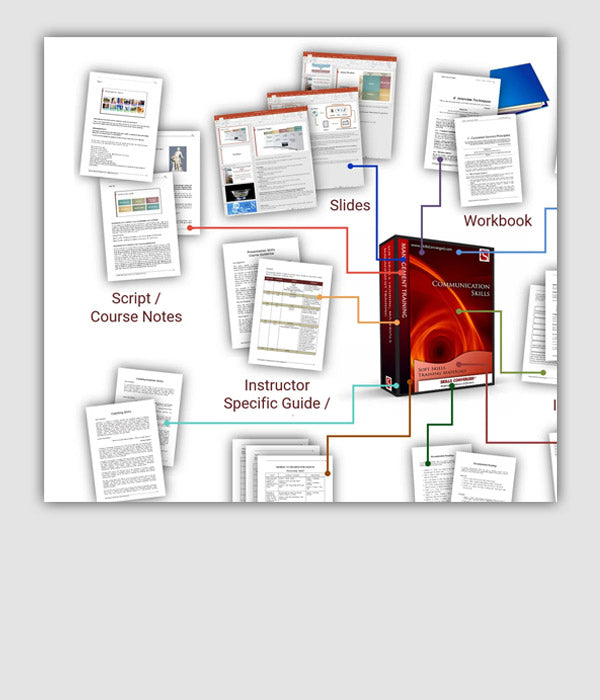
Editable slides, trainer notes, workbooks and exercises. Download, customise and reuse.
Why Choose Our Training Materials?

Online Train the Trainer Course:
Core Skills
CPD Accredited
Turn Your Expertise into Engaging, Well-Structured Training
Topics
Need a Complete Soft Skills Course to Deliver?
Save preparation time with ready-to-use course packs containing editable slides, detailed trainer notes, participant workbooks and engaging exercises.
Management ◆ Interpersonal Development ◆ Personal Development
The Most Similar Exercises & Articles to This in Order of Similarity Are:



Resources for Trainers and Course Designers
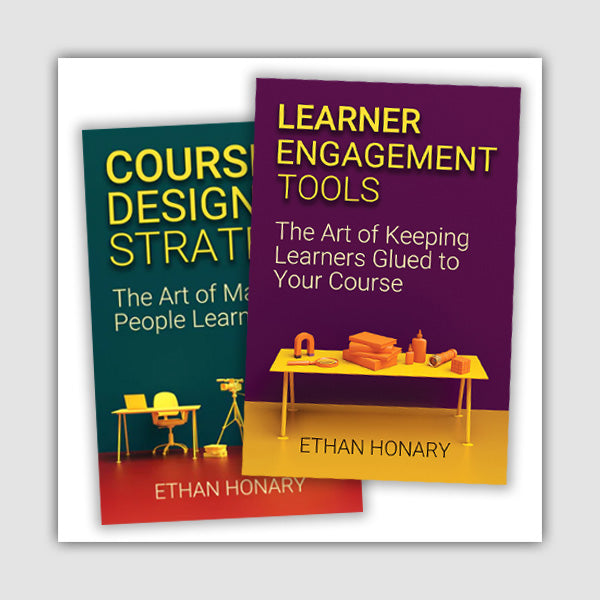
Instructional Design Books
Practical books on course design, learner engagement and training delivery, available in paperback and ebook

Free Training Resources
Download a complete sample course with training activities, assessment forms and practical resources for trainers.

Comprehensive Body Language Guide
Explore body language, gestures, posture, facial expressions and non-verbal communication in one practical guide.

Train the Trainer Resources
Improve course design and delivery with practical guides, specialist books and Train the Trainer courses.
Leave a comment
All comments are moderated before being published.
This site is protected by hCaptcha and the hCaptcha Privacy Policy and Terms of Service apply.