


Purpose
We all have different levels of trust in different situations. Sometimes the variation is not much and sometimes it is too high. We seem to be defensive and on guard while others feel comfortable. This is usually to do with our previous experiences as we derive our grand rules from our life experience. It pays to know how others feel in certain situations, so you can become aware of your trust level and how you compare with others.
Objective
Rate your trust level with others based on a number of situations.
What You Need
- A wall and a clear space.
Setup
- Ask delegates to stand next to the wall, with their backs to it.
- Explain that you are now going to present a number of situations. For each situation, you want delegates to express how they rate their trust in that situation. For no trust they should remain where they are. For maximum unconditional trust, they should move three steps forwards. Moving one or two steps means lower trust respectively.
- After each situation, ask delegates to return to the wall and repeat the process
- State the following situations:
- Your manager wants you to work overtime on Saturdays.
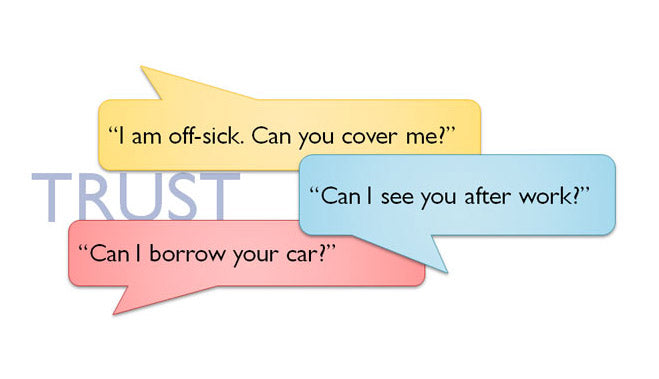
- Your colleague wants you to carry out his important tasks for a couple of days as he is off-sick.
- Your colleague wants to borrow your car for the weekend.
- Your colleague wants to borrow your book.
- Your boss wants to see you after work late on Friday.
- Get back everyone together and follow with a discussion.
Timing
Explaining the Exercise: 2 minutes
Activity: 10 minutes
Group Feedback: 10 minutes
Discussion
Were you similar to others in your level of trust? In what situations most people had the same trust level? In what situations, you felt very differently to others? What does this exercise suggest? Which areas do you need to work on, perhaps to increase your trust in areas that others rated more than you?
Ready-to-Use Soft Skills Training Materials
Editable slides, trainer notes, workbooks and exercises. Download, customise and reuse.
Why Choose Our Training Materials?

Online Train the Trainer Course:
Core Skills
CPD Accredited
Turn Your Expertise into Engaging, Well-Structured Training
Topics
Need a Complete Soft Skills Course to Deliver?
Save preparation time with ready-to-use course packs containing editable slides, detailed trainer notes, participant workbooks and engaging exercises.
Management ◆ Interpersonal Development ◆ Personal Development
The Most Similar Exercises & Articles to This in Order of Similarity Are:


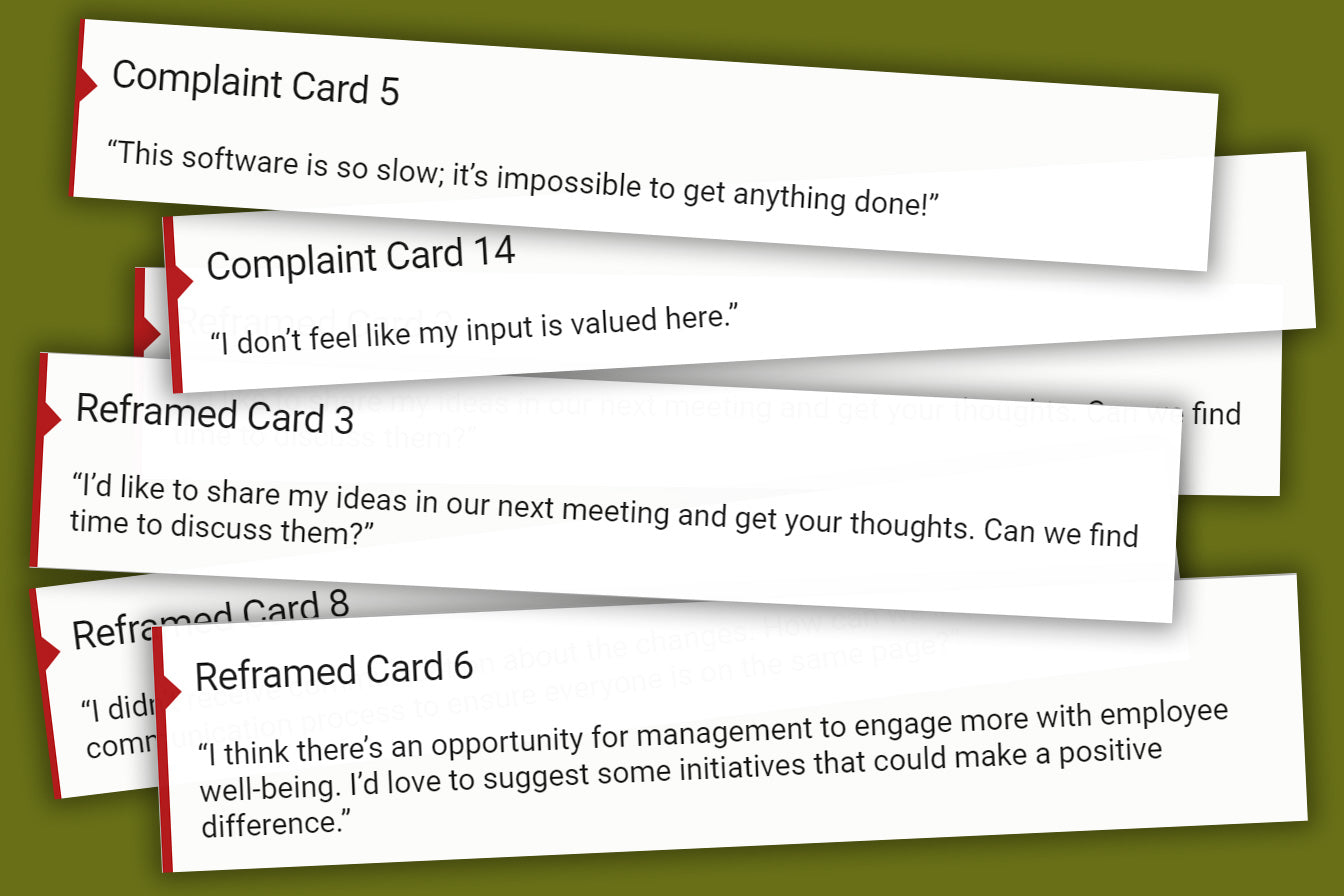



Resources for Trainers and Course Designers
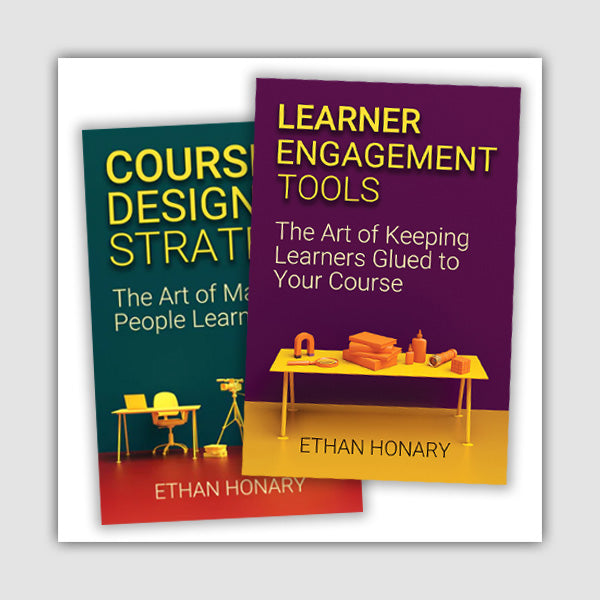
Instructional Design Books
Practical books on course design, learner engagement and training delivery, available in paperback and ebook

Free Training Resources
Download a complete sample course with training activities, assessment forms and practical resources for trainers.

Comprehensive Body Language Guide
Explore body language, gestures, posture, facial expressions and non-verbal communication in one practical guide.

Train the Trainer Resources
Improve course design and delivery with practical guides, specialist books and Train the Trainer courses.
Leave a comment
All comments are moderated before being published.
This site is protected by hCaptcha and the hCaptcha Privacy Policy and Terms of Service apply.