

Purpose
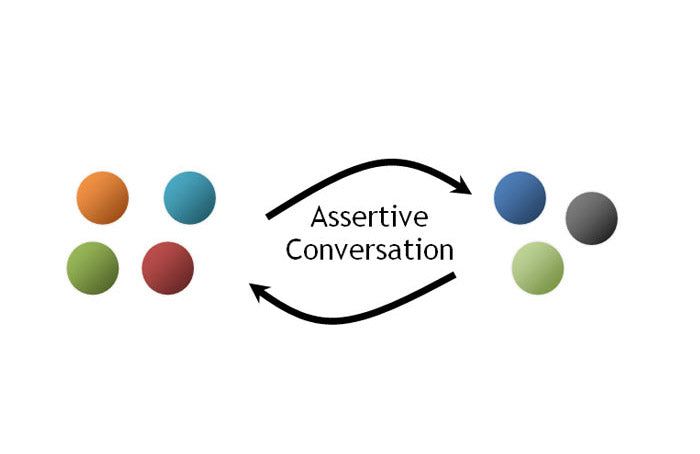
This exercise helps delegates to practice communicating assertively. Assertive communication as opposed to passive or aggressive communication is usually the best way to handle aggressive communication. The focus of this exercise is on learning how to constantly use assertive communication and not necessarily only at the beginning of a conversation.
Objective
Respond assertively to another group no matter how they respond to you.
What You Need
- Papers
Setup
- Divide the delegates to an even number of groups.
- Pair each two groups together and explain that groups will be role playing a conversation between two people. It is their choice to choose a subject for the conversation so long as it is something the groups disagree on.
- The conversation is fully recorded on paper. So each group should write one statement on the paper and pass it to the other group. The other group, after thinking about their reply can write it and pass it back.
- One group should only respond assertively and the other group has a choice to respond anyway they like; aggressively, passively or assertively.
- Allow the conversation to carry on for at least 8 statements on each side.
- Ask groups to provide feedback to each other about their conversation. In particular the assertive group’s responses should be examined to see if they are assertive enough.
- Mix all groups in a way so that those groups who have not been assertive can now be assertive.
- When conversations are completed, encourage a feedback session.
- Bring everyone back and follow with a discussion.
Timing
Explaining the Exercise: 2 minutes
Activity: 10 min round 1 + 10 min round 2 = 20 minutes
Group Feedback: 5 minutes
Discussion
Was it easy to be assertive? Was it easy to become aggressive as soon as the other group showed aggression? What happened when the other group was passive? How did you feel about the lack of body language? Did you feel it was more difficult to show assertiveness or did it not matter?
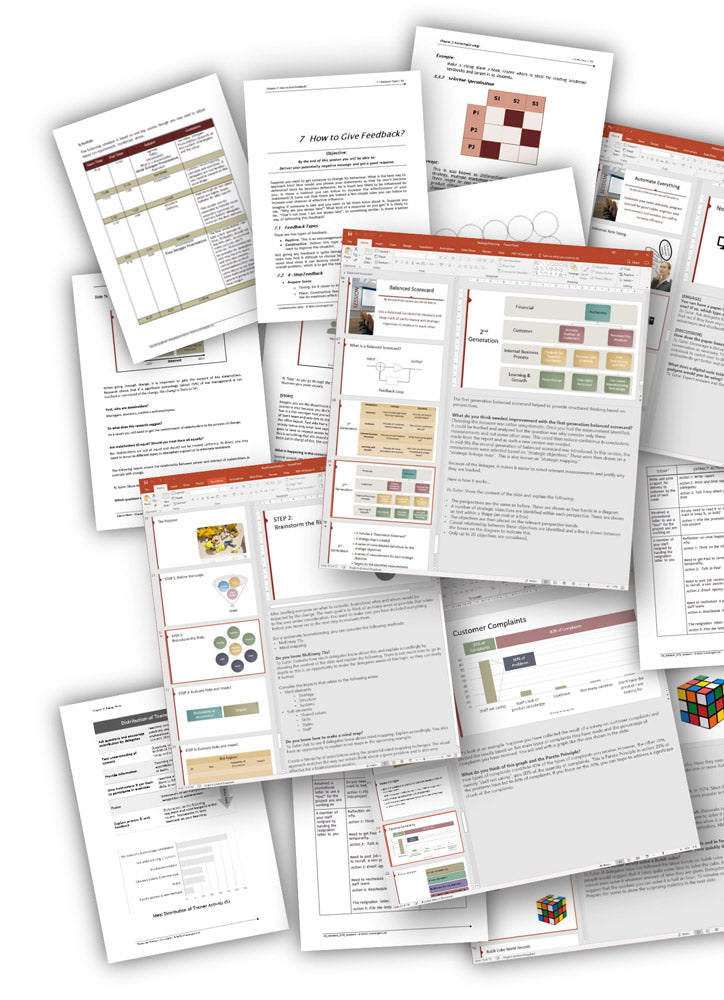
Ready-to-Use Soft Skills Training Materials
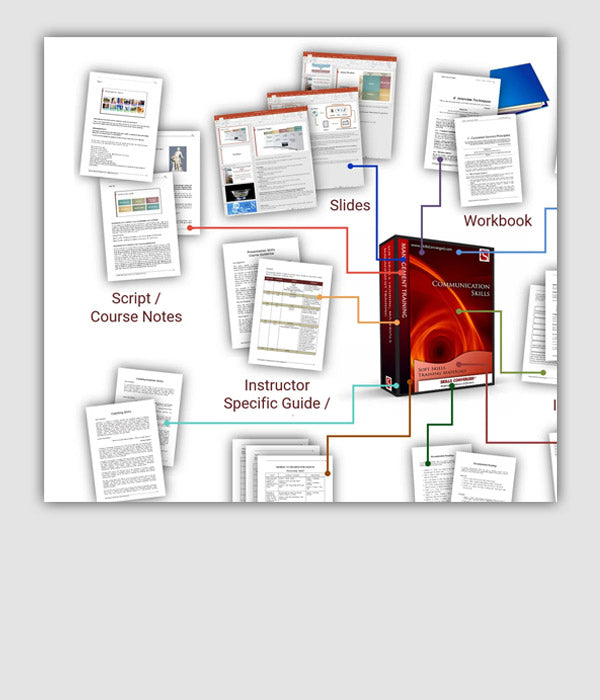
Editable slides, trainer notes, workbooks and exercises. Download, customise and reuse.
Why Choose Our Training Materials?

Online Train the Trainer Course:
Core Skills
CPD Accredited
Turn Your Expertise into Engaging, Well-Structured Training
Topics
Need a Complete Soft Skills Course to Deliver?
Save preparation time with ready-to-use course packs containing editable slides, detailed trainer notes, participant workbooks and engaging exercises.
Management ◆ Interpersonal Development ◆ Personal Development
The Most Similar Exercises & Articles to This in Order of Similarity Are:




Resources for Trainers and Course Designers
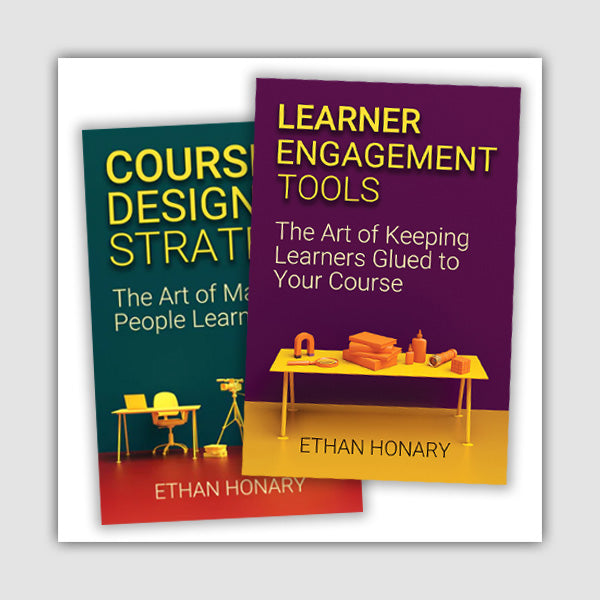
Instructional Design Books
Practical books on course design, learner engagement and training delivery, available in paperback and ebook

Free Training Resources
Download a complete sample course with training activities, assessment forms and practical resources for trainers.

Comprehensive Body Language Guide
Explore body language, gestures, posture, facial expressions and non-verbal communication in one practical guide.

Train the Trainer Resources
Improve course design and delivery with practical guides, specialist books and Train the Trainer courses.
1 comment
Ahmed Ahmed
I need free document to gain knowledge
Leave a comment
All comments are moderated before being published.
This site is protected by hCaptcha and the hCaptcha Privacy Policy and Terms of Service apply.