


Purpose
In this exercise, participants learn how to act or roleplay certain roles. Acting is a very useful skill. It can greatly help people to place themselves in position of others and learn to think like them. Unfortunately, most people are not trained on this skill and simply find it strange to perform an act. They might feel shy, awkward or simply start laughing at their own abstract acting. The best way to overcome these problems is to simply act. Acting isn’t hard once people understand that all they need to do is to commit to it. This exercise helps people to act in front of each other based on specific scenarios. It encourages them to imitate certain non-verbal gestures that convey meaningful information about a person and hence in the process learn about communication skills as well.
Objective
Act based on a given scenario.
What You Need
- Optional: Provide props based on scenarios if you think these will help the participant.
- Folded papers with scenarios written on them. Example scenarios are:
- You are a team of developers who is meeting the CEO of a major company that you supply your products to
- You are several Olympic swimmers who are about to compete in a finals of 4 by 100 medley.
- You are a group of friends in a car heading to south of Europe for holidays.
- A car sales person is selling a car to a family.
- You are a team of manual workers whose been given instructions by their supervisor in their weekly meeting.
- A hat.
Setup
- Place the folded papers in a hat.
- Divide the delegates to groups of 2 or 3 people.
- Ask each group to pick a scenario from the hat.
- Allow them 5 minutes to select their roles within each scenario and prepare to perform their roles.
- Ask each group to come forward and play out their roles. Explain that they should be creative and think imaginatively about their roles. Keep it rolling and act based on the performance of others.
- Allow 2 or 3 minutes for each group act.
- Continue until all groups have performed.
- If time allows, you can ask groups to pick another scenario and repeat the process.
Timing
Explaining the Exercise: 5 minutes.
Activity: 5 min preparation + 15 min plays = 20 minutes
Group Feedback: 5 minutes.
Discussion
What do you think of your acting? Was it easier than you thought? How did you make yourself feel comfortable? What would you need to do to become better at acting? Who was the best actor and why? What can you learn from him or her so you can become a better actor?
Ready-to-Use Soft Skills Training Materials
Editable slides, trainer notes, workbooks and exercises. Download, customise and reuse.
Why Choose Our Training Materials?

Online Train the Trainer Course:
Core Skills
CPD Accredited
Turn Your Expertise into Engaging, Well-Structured Training
Topics
Need a Complete Soft Skills Course to Deliver?
Save preparation time with ready-to-use course packs containing editable slides, detailed trainer notes, participant workbooks and engaging exercises.
Management ◆ Interpersonal Development ◆ Personal Development
The Most Similar Exercises & Articles to This in Order of Similarity Are:






Resources for Trainers and Course Designers
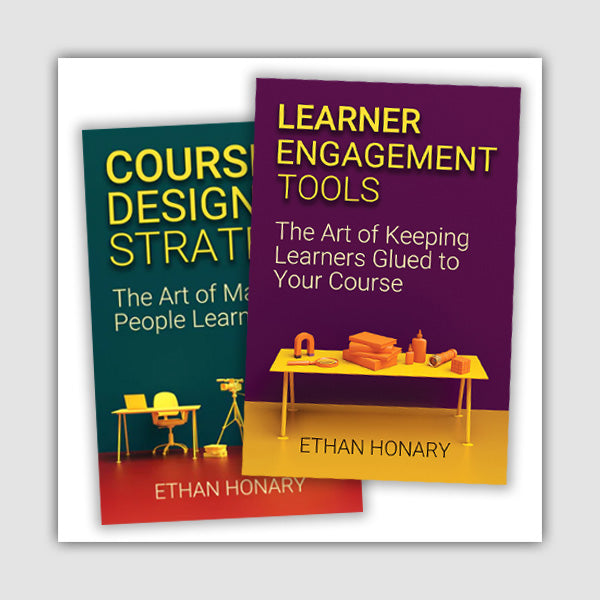
Instructional Design Books
Practical books on course design, learner engagement and training delivery, available in paperback and ebook

Free Training Resources
Download a complete sample course with training activities, assessment forms and practical resources for trainers.

Comprehensive Body Language Guide
Explore body language, gestures, posture, facial expressions and non-verbal communication in one practical guide.

Train the Trainer Resources
Improve course design and delivery with practical guides, specialist books and Train the Trainer courses.
Leave a comment
All comments are moderated before being published.
This site is protected by hCaptcha and the hCaptcha Privacy Policy and Terms of Service apply.