


Purpose
Marmite or Death! is high-energy, silly and surprisingly challenging. It is ideal for breaking the ice, re-energising a tired group or preparing delegates for creative or high-pressure tasks. You can also use it to help the group learn each others’ names. Its deceptively simple rules build powerful skills: listening, spontaneity and mental agility. The unpredictable game helps delegates sharpen their spontaneity, active listening, focus and verbal agility. It is especially useful as a warm-up for creative thinking, acting or improvisation-based training, all in about 10 minutes.
Objective
Delegates will take turns exchanging silly binary choices in a fast-moving circle game. Each turn requires immediate responses and forces players to stay mentally engaged, listen closely and think on their feet, or be eliminated!
What You Need
- A clear space where everyone can stand in a circle
- A stopwatch or timer (optional, for practice rounds or increasing speed)
Setup
- Form a circle with all delegates standing and facing inwards.
- Briefly explain the rules shown below. Demonstrate one full round with volunteers if needed.
- As the trainer, you are the referee and make light-hearted calls on eliminations.
How to Run the Exercise
- One delegate starts by spinning in place, stopping, pointing at another player, and shouting: “Marmite or death?”
- The chosen delegate must respond immediately with either:
“Marmite!” or “Death!”, whichever they would rather have. Suppose they say “Marmite!”. - They must then spin, choose someone else in the circle, name them, and offer a new pairing, using the word they chose plus something new. For example: “Ahmed, Marmite or cactus?”
- That player immediately responds and continues the chain: “Cactus!”, spins, points to someone else and says: “Charlotte, Cactus or Grater?”
- Play continues quickly. Players are eliminated if they hesitate, repeat or use a forbidden word.
- Continue until only one person is left and declare them the winner.
Elimination Rules
A delegate is eliminated and must sit down if they:
- Hesitate too long (roughly 2–3 seconds max).
- Repeat a word that has already been used.
- Use a proper noun, such as a brand, name, place or title (e.g., ‘Google’, ‘Madonna’, ‘Paris’ are not allowed)
Trainer Tips
- Run with low pressure to start with. Give a bit more time for responses so everyone understands the rhythm.
- Once familiar, encourage quicker reactions.
- Encourage boldness. Remind delegates that there are no wrong answers. Creativity and speed matter more than cleverness.
- Get delegates to monitor each others’ performance and listen. The fun is in catching repeated words and noticing hesitation. Emphasise the value of listening over planning.
Timing
Explaining the Exercise: 5 minutes
Activity: 10 minutes
Group Feedback: 10 minutes
Discussion
You can go through an optional discussion if you are teaching communication skills or decision-making:
- What helped you stay focused and respond quickly?
- Did you find yourself planning ahead or listening?
- How did pressure affect your ability to think clearly?
- Can you think of work situations where fast thinking and listening matter?
Variations
- Theme Rounds: Limit choices to categories like ‘food’, ‘objects’ or ‘verbs’.
- Team Mode: If you have many delegates, divide the group into two circles for parallel play, then have winners face off.
Ready-to-Use Soft Skills Training Materials
Editable slides, trainer notes, workbooks and exercises. Download, customise and reuse.
Why Choose Our Training Materials?

Online Train the Trainer Course:
Core Skills
CPD Accredited
Turn Your Expertise into Engaging, Well-Structured Training
Topics
Need a Complete Soft Skills Course to Deliver?
Save preparation time with ready-to-use course packs containing editable slides, detailed trainer notes, participant workbooks and engaging exercises.
Management ◆ Interpersonal Development ◆ Personal Development
The Most Similar Exercises & Articles to This in Order of Similarity Are:






Resources for Trainers and Course Designers
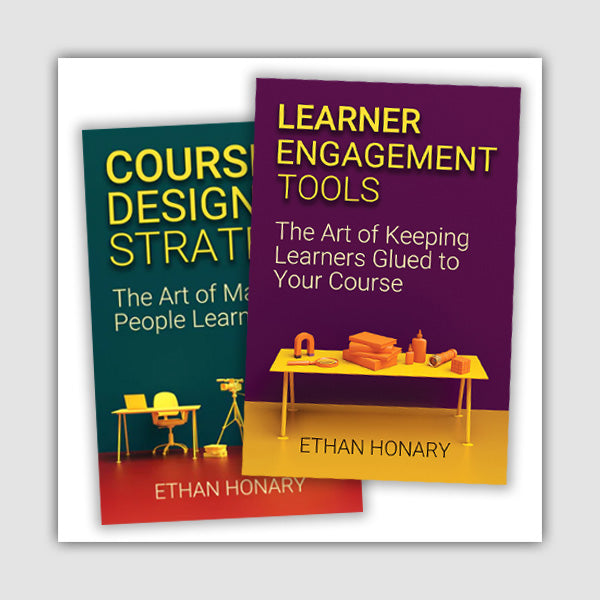
Instructional Design Books
Practical books on course design, learner engagement and training delivery, available in paperback and ebook

Free Training Resources
Download a complete sample course with training activities, assessment forms and practical resources for trainers.

Comprehensive Body Language Guide
Explore body language, gestures, posture, facial expressions and non-verbal communication in one practical guide.

Train the Trainer Resources
Improve course design and delivery with practical guides, specialist books and Train the Trainer courses.
Leave a comment
All comments are moderated before being published.
This site is protected by hCaptcha and the hCaptcha Privacy Policy and Terms of Service apply.