


Purpose
This activity can be used for coaching skills or making conversations. The basic principle behind the activity is simple and the aim is to provide an easy structure to follow. Use this activity where you need to get delegates to talk to each other about a given topic or a topic of their choice. It is also useful for mentoring or life coaching. You can also use it to get the delegate practice questioning and listening skills.
Objective
Coach a person by encouraging asking questions.
What You Need
- An area where pairs can sit far enough from each other so that they don’t over hear too easily.
Setup
- Divide the delegate to pairs. If you have an odd number of delegates use a group of three.
- Ask each group to nominate one person as coach and one person as coachee.
- Ask the coach and coachee in each group to sit face to face and go through a coaching session.
- The coach should start by saying, “Ask me a question.”
- The coachee should ask a question. It is up to you to introduce rules on what kinds of questions should be avoided. For example, in a professional setting you may want to state, “Asking personal questions is not allowed.” So you can focus the coaching session on work. In contrast, if this is about life coaching, then personal questions should be categorically excluded.
- Depending on the reply received the coachee should continue asking more questions to learn more about a given topic.
- The coach should reply briefly and ask for another question. This is important because the aim is to make the coachee drive the conversation.
- If there is a pause, the coach should fill the gap by saying, “Ask me a question.”
- The tendency is that initially coachees stick to asking safe question. As the conversation continues they start to feel comfortable enough to ask more specific and eventually personal questions.
- Allocate 10 minutes for this part.
- Swap roles and ask the pairs to repeat the exercise for another 10 minutes.
- Bring back everyone together and follow with a discussion.
Timing
Explaining the Exercise: 2 minutes
Activity: (10 min * 2 rounds) = 20 minutes
Group Feedback: 10 minutes
Discussion
What did you think of this coaching exercise? As a coachee, how useful was it that you got to ask a series of questions and remain in control of the conversation? What do you think of this style of coaching?
Ready-to-Use Soft Skills Training Materials
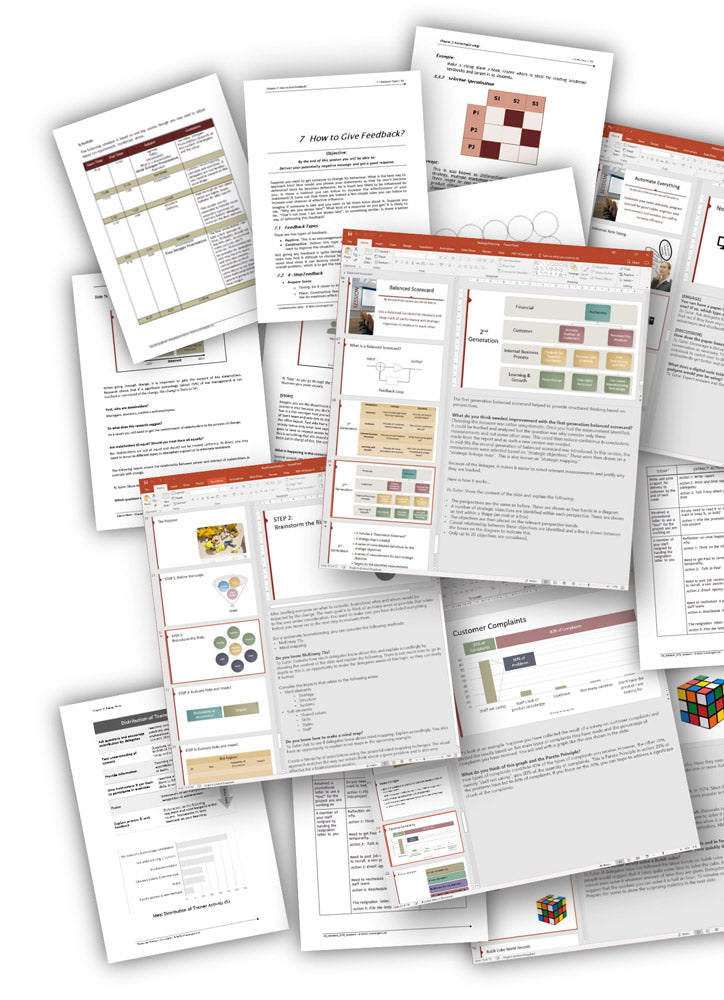
Editable slides, trainer notes, workbooks and exercises. Download, customise and reuse.
Why Choose Our Training Materials?

Online Train the Trainer Course:
Core Skills
CPD Accredited
Turn Your Expertise into Engaging, Well-Structured Training
Topics
Need a Complete Soft Skills Course to Deliver?
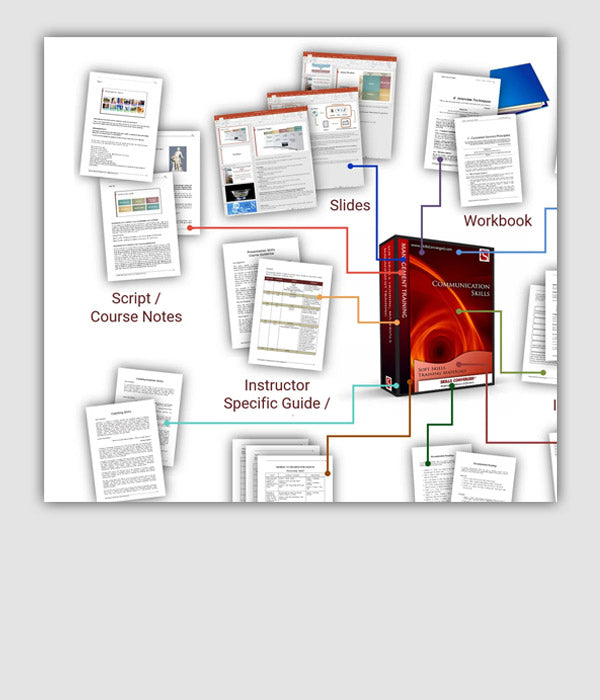
Save preparation time with ready-to-use course packs containing editable slides, detailed trainer notes, participant workbooks and engaging exercises.
Management ◆ Interpersonal Development ◆ Personal Development
The Most Similar Exercises & Articles to This in Order of Similarity Are:





Resources for Trainers and Course Designers
Instructional Design Books
Practical books on course design, learner engagement and training delivery, available in paperback and ebook

Free Training Resources
Download a complete sample course with training activities, assessment forms and practical resources for trainers.

Comprehensive Body Language Guide
Explore body language, gestures, posture, facial expressions and non-verbal communication in one practical guide.

Train the Trainer Resources
Improve course design and delivery with practical guides, specialist books and Train the Trainer courses.
Leave a comment
All comments are moderated before being published.
This site is protected by hCaptcha and the hCaptcha Privacy Policy and Terms of Service apply.