
Purpose
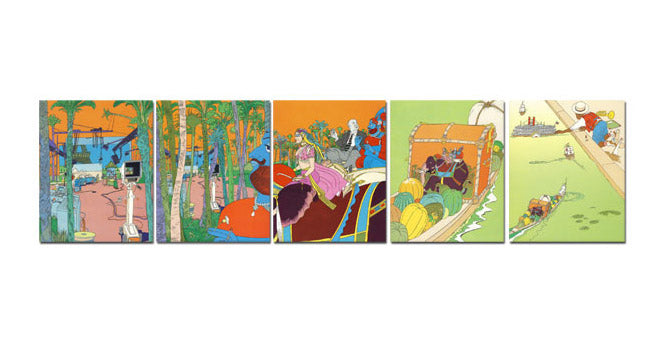
This is a creative exercise which can be used to explore topics such as communication skills, leadership, problem solving decision making and perspective taking. Effectively, delegates must work together to sort a sequence of images by enquiring from each other and collectively decide on the best outcome.
Objective
Collectively sort a sequence of images without being able to see each other’s images.
What You Need
- You need a series of images that form a sequence. A great source is Re-Zoom by Istvan Banvai, ISBN: 978-0613961684. The images move from small details to larger and larger which sets the tone of the sequence. If you use this book, separate the pages and prepare them as cards.
- Timer.
Setup
- Distribute one picture to each person.
- Delegates should not show their images to each other.
- On your mark, the group as a whole should start working together to sort the series of images. The challenge is to sequence them without looking at each other’s images.
- Generally, you expect the delegates to start obtaining information from each other so each person can form an idea of the content of the images. Sometimes a person emerges as a leader which greatly facilitates the process.
- Time the activity so you know how long it takes the group to solve the problem. You can use this to collect statistics as you deliver the exercise in different courses.
- The activity stops when the group decides that they have finally got the full sequence. This usually takes about 15 minutes.
- Ask everyone to reveal their images and see if they had identified the correct sequence.
- Follow with a discussion.
Timing
Explaining the Exercise: 5 minutes
Activity: 15 minutes
Group Feedback: 10 minutes
Discussion
How well do you think you performed, especially in comparison with other groups in the past? Where you effective in making group decisions? What worked well? What did not work well? Did you have a leader? How did the leader emerge? What was the effect of having a leader? Did you think of having a system to increase the efficiency of your group communication and information exchange? If so, what was the effect of such a system? What did you learn from this exercise? What would you do in a future group discussion to benefit from what you learned here?
Comments

By archana shrivastava @ Thursday, February 10, 2011 10:59 AM
Excellent

By Chinmay Bhattacharjee @ Monday, April 25, 2011 8:47 AM
Excellent games.

By Tarek Kamal @ Thursday, December 12, 2013 11:43 PM
Excellent

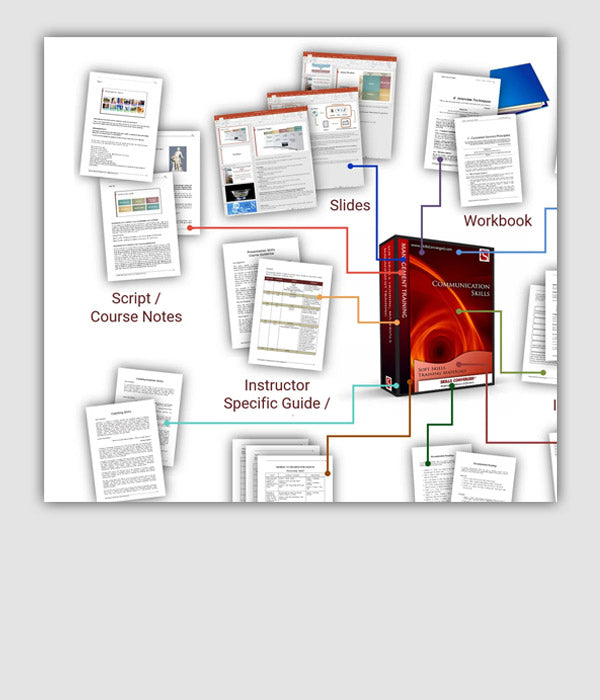
Soft Skills Training Materials
Get downloadable training materials

Online Train the Trainer Course:
Core Skills
Turn Your Expertise into Engaging, Well-Structured Training
Topics
Training Materials
Get downloadable training materials on: Management Training, Personal Development, Interpersonal Development, Human Resources, and Sales & Marketing
The Most Similar Exercises & Articles to This in Order of Similarity Are:



Resources for Trainers and Course Designers
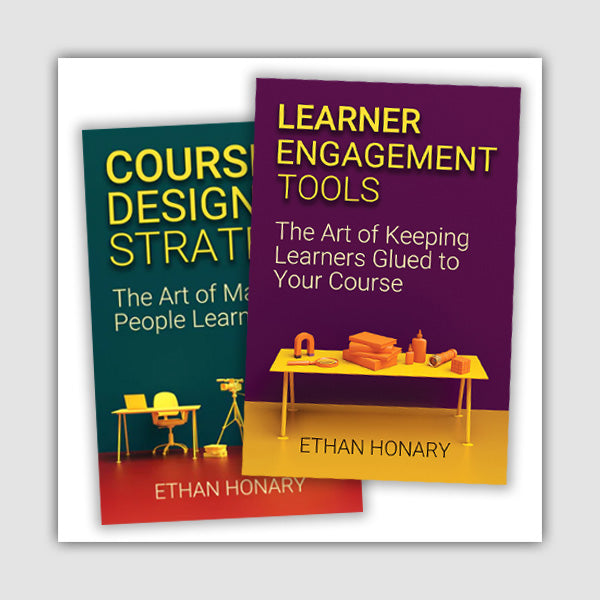
Instructional Design Books
Practical books on course design, learner engagement and training delivery, available in paperback and ebook

Free Training Resources
Download a complete sample course with training activities, assessment forms and practical resources for trainers.

Comprehensive Body Language Guide
Explore body language, gestures, posture, facial expressions and non-verbal communication in one practical guide.

Train the Trainer Resources
Improve course design and delivery with practical guides, specialist books and Train the Trainer courses.
Leave a comment
All comments are moderated before being published.
This site is protected by hCaptcha and the hCaptcha Privacy Policy and Terms of Service apply.