



Purpose
This exercise helps to stimulate creativity by bringing a variety of random object into consciousness. You can use this exercise during an incubation time between two sessions on problem solving. The exercise helps to make people think of unusual stuff and become conscious of a whole lot of random associations. When they return to the main problem, they end up having more ideas and can connect the new associations with the problem they were considering. This can lead them to potential novel solutions.
Objective
Think of a bunch of objects. Think of applications on how to use these objects.
What You Need
- Papers
Setup
- Divide the delegates to two teams.
- It is best if you separate the groups so that they cannot overhear each other as they go through this exercise.
- Explain that each group is tasked to fill in an imaginary warehouse with a bunch of random objects. The warehouse is old and contains stuff from 2 or 3 generations of a certain family. The teams can be as wild and creative as they want when coming up with the list of items. The warehouse is big so it can accommodate large objects as well.
- Ask the teams to list 30 items that would be found in their warehouses.
- Ask each group to write these 30 items on a separate paper.
- Allocate 15 minutes for this part.
- After the allocated time, ask groups to exchange their lists.
- Explain to each team that after the death of a rich distant uncle, they have inherited a warehouse full of stuff. The uncle’s solicitor has sent them the list of the items found in the warehouse and states that all items are now theirs to collect. They must collect the items within the next three months as the warehouse is sold as part of the estate which is inherited by the descendants of the uncle.
- Ask groups to consider what to do with the objects. They can sell them, use them in on-going or future projects or give them to others.
- Allocate 20 minutes for groups to decide what they want to do with the objects and write their decisions down on paper. They should be as creative as possible. Simply saying “I will sell them all” is not good enough. For anything that they sell, they should state what they would do with the money.
- After the allocated time, bring everyone back together and ask them to share their decisions. This will further help to inspire groups and bring more associations into play for all.
Timing
Explaining the Exercise: 2 minutes
Activity: 15 min to think of items + 20 min to think of applications + 10 min sharing ideas = 40 minutes
Group Feedback: 0 minutes
Discussion
N/A

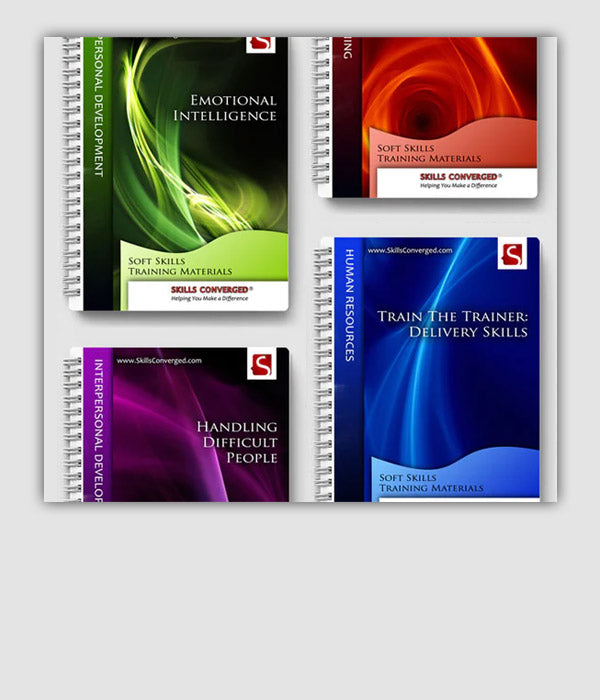
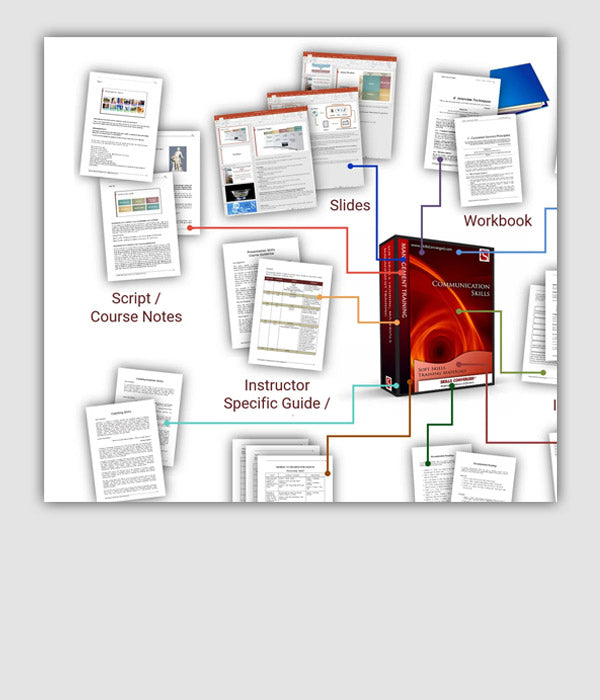
Soft Skills Training Materials
Get downloadable training materials

Online Train the Trainer Course:
Core Skills
Turn Your Expertise into Engaging, Well-Structured Training
Topics
Training Materials
Get downloadable training materials on: Management Training, Personal Development, Interpersonal Development, Human Resources, and Sales & Marketing
Resources for Trainers and Course Designers
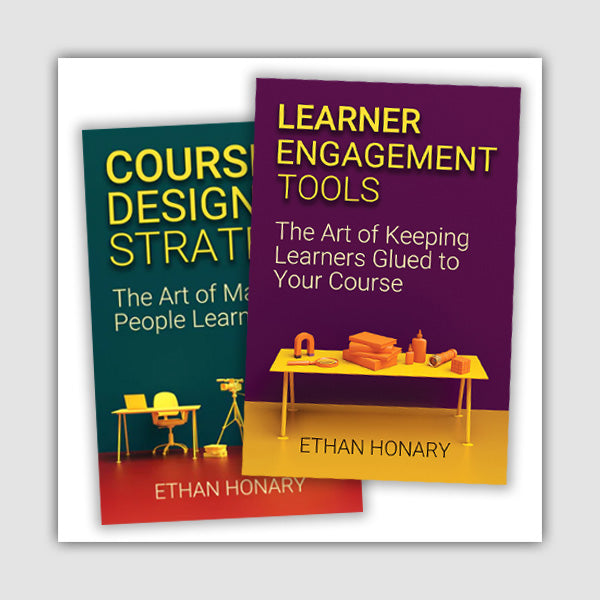
Instructional Design Books
Practical books on course design, learner engagement and training delivery, available in paperback and ebook

Free Training Resources
Download a complete sample course with training activities, assessment forms and practical resources for trainers.

Comprehensive Body Language Guide
Explore body language, gestures, posture, facial expressions and non-verbal communication in one practical guide.

Train the Trainer Resources
Improve course design and delivery with practical guides, specialist books and Train the Trainer courses.
Leave a comment
All comments are moderated before being published.
This site is protected by hCaptcha and the hCaptcha Privacy Policy and Terms of Service apply.