


Purpose
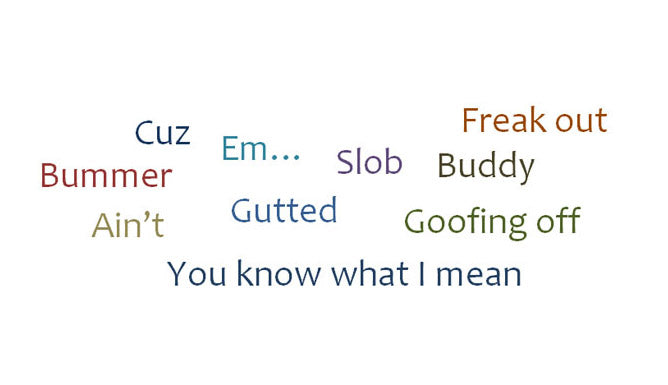
This is an easy and effective exercise which helps delegates to recognise how often they use quirks, slangs or incorrect sentences in their everyday communications.
Objective
Delegates to reflect back on their use of words and the effectiveness of their statements by listening back to a recording of their speech.
What You Need
Two easy to operate voice recorders such as Olympus VN-2100PC (If you only have one voice recorder, use it for one pair at the time with each group)
Setup
- Choose 4 people from the group randomly.
- Divide the 4 people into 2 pairs.
- Each pair is given a voice recorder and is placed at the opposite sides of the room as not to interfere with the other group’s recordings.
- Explain that each person in each group has to talk about for 3 minutes about a childhood holiday. In addition to the location and date of the holiday, each participant should also describe the environment, the hotel or place they were staying and the food they had during their holiday.
- Meanwhile the other person in each pair records the speech.
- After 3 minutes, they swap roles and this process is repeated for the other person in each pair.
- Once recording is finished, play back each speech for the group.
- The 4 people taking part in the exercise now have to repeat the activity only this time they should try to reduce the number of times they used slangs or quirks in their sentences.
- Play back the second recording to the group and discuss.
Timing
Explaining the Test: 5 minutes.
Activity: 20 minutes
Group Feedback: 20 minutes.
Discussion
Encourage a discussion in the group about the effect of slangs in the meaning or delivery of speech or everyday communications. Do you think language quirks are helpful in showing your emotions and ideas? Do they contribute to the message you want to pass? Do slangs affect the quality or credibility of your speech? If so, how can you improve it?
Ready-to-Use Soft Skills Training Materials
Editable slides, trainer notes, workbooks and exercises. Download, customise and reuse.
Why Choose Our Training Materials?

Online Train the Trainer Course:
Core Skills
CPD Accredited
Turn Your Expertise into Engaging, Well-Structured Training
Topics
Need a Complete Soft Skills Course to Deliver?
Save preparation time with ready-to-use course packs containing editable slides, detailed trainer notes, participant workbooks and engaging exercises.
Management ◆ Interpersonal Development ◆ Personal Development
The Most Similar Exercises & Articles to This in Order of Similarity Are:


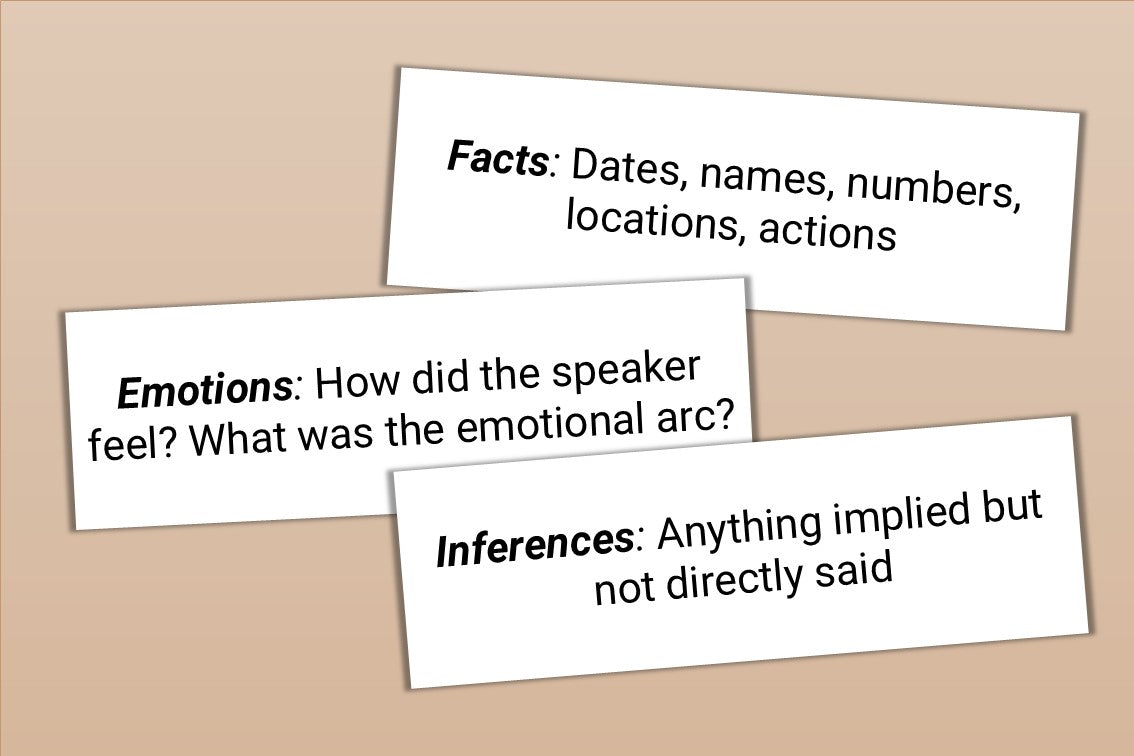



Resources for Trainers and Course Designers
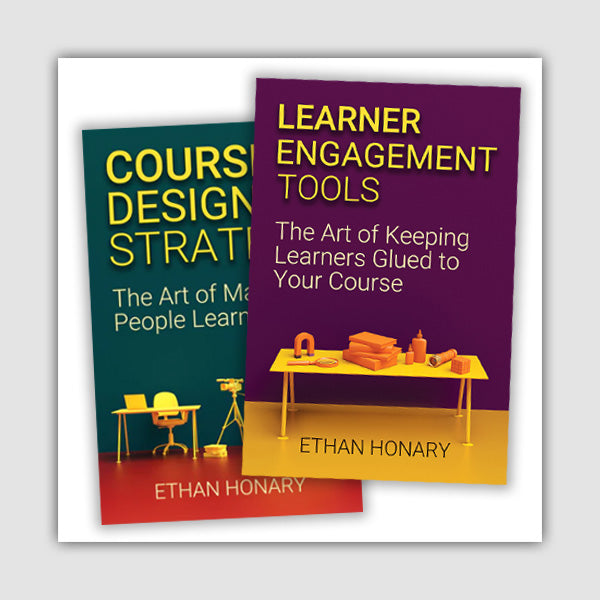
Instructional Design Books
Practical books on course design, learner engagement and training delivery, available in paperback and ebook

Free Training Resources
Download a complete sample course with training activities, assessment forms and practical resources for trainers.

Comprehensive Body Language Guide
Explore body language, gestures, posture, facial expressions and non-verbal communication in one practical guide.

Train the Trainer Resources
Improve course design and delivery with practical guides, specialist books and Train the Trainer courses.
Leave a comment
All comments are moderated before being published.
This site is protected by hCaptcha and the hCaptcha Privacy Policy and Terms of Service apply.