




Purpose
This exercise helps delegates sharpen their ability to notice subtext, non-verbal signals, and emotional undercurrents in workplace communication. It strengthens high-level communication awareness by helping delegates recognise that meaning is not always found in words. This is especially valuable for leaders, facilitators and team members. Anyone who needs to navigate difficult conversations, cultural complexity and interpersonal nuance with empathy can benefit from this exercise.
Objective
Delegates watch a short workplace interaction and then analyse what is not being said explicitly: the hidden emotions, tensions, power plays, assumptions or intentions. They use non-verbal and contextual clues to back up their inferences and then compare interpretations with others.
What You Need
- Short video clips (1–2 minute) showing a workplace or interpersonal interaction with subtle non-verbal dynamics. You can use:
A scene from a drama, sitcom or film with professional or office settings
A recorded mock sketch acted by staff or volunteers
A real meeting clip (with permission and ethical clearance)
- Depending on the option chosen (see setup), decide how many clips you need.
- Projector or screen to play the clip if played for everyone. Otherwise, you need each pair to have a laptop or individual screen so they can see the clip assigned to them.
- Note-taking sheets or printed prompts
- Optional: Copies of a still frame or transcript for further analysis
Setup
- Divide delegates to pairs. If you have an odd number of delegates use a group of 3.
- Explain that they will watch a short scene where something is clearly happening under the surface, but no one is saying it outright. Their task is to observe closely and infer what might be going on beneath the surface.
- You have several options:
- Show the same video clip to all groups. You can just show this on a projector or screen.
- Use 2 or 3 video clips overall, about half or third of the number of groups you have. Multiple groups get to see the same clip, but not everyone sees it. Each groups needs an individual screen.
- Show a different clip to each group. Each groups needs an individual screen.
- Get pairs to see their clip once all the way through with no interruptions.
- After the video, get them to consider the following prompt questions.
What emotions might each person be experiencing?
What is being felt but not said?
What assumptions or beliefs seem to be influencing the interaction?
What cultural, power, or relational dynamics are visible?
What non-verbal cues (body language, tone, timing) led them to these conclusions?
- Have pairs discuss and then write down their answers. They should discuss their interpretations and identify areas of agreement, difference or surprise (10 minutes).
- Get everyone back together.
- If everyone has seen the same clip, get pairs share their interpretations and justify them using specific cues from the video.
- If groups have seen multiple clips, consider one clip at a time. Show it to the whole class and then get those groups that analysed it to present their interpretations and discuss. Get others in the class to comment on the analysis. Then move to the next clip and do the same.
- Follow with a general discussion to discuss methodology.
Timing
Explaining the Exercise: 5 minutes
Activity: 2 min watching the clip + 10 min analysis + (10 min clip discussions x number of clips) = 32 minutes for 2 clips
Group Debrief: 10 minutes
Discussion
- What were the most common unspoken dynamics people picked up on?
- Were there conflicting interpretations? What caused them?
- What specific non-verbal or contextual cues led you to your conclusions?
- How confident were you in your interpretation, and why?
- How could this apply to real workplace interactions where we often have to guess intent or emotion?
- What is the risk of misreading a situation? How can we become more accurate without assuming?
Variations
- Multiple Viewings: Let groups play the clip a second time and ask them if they notice anything they missed the first time.
- Silent Version: Play the clip once with audio and once muted. Ask how muting the dialogue changed their interpretation.
- Live Version: Use two volunteers to act out a scripted or improvised version of a tense or ambiguous interaction.
- Reverse Analysis: Give a short transcript with no video and ask them to infer emotion/tone based only on language, then show the clip and compare.
Ready-to-Use Soft Skills Training Materials
Editable slides, trainer notes, workbooks and exercises. Download, customise and reuse.
Why Choose Our Training Materials?

Online Train the Trainer Course:
Core Skills
CPD Accredited
Turn Your Expertise into Engaging, Well-Structured Training
Topics
Need a Complete Soft Skills Course to Deliver?
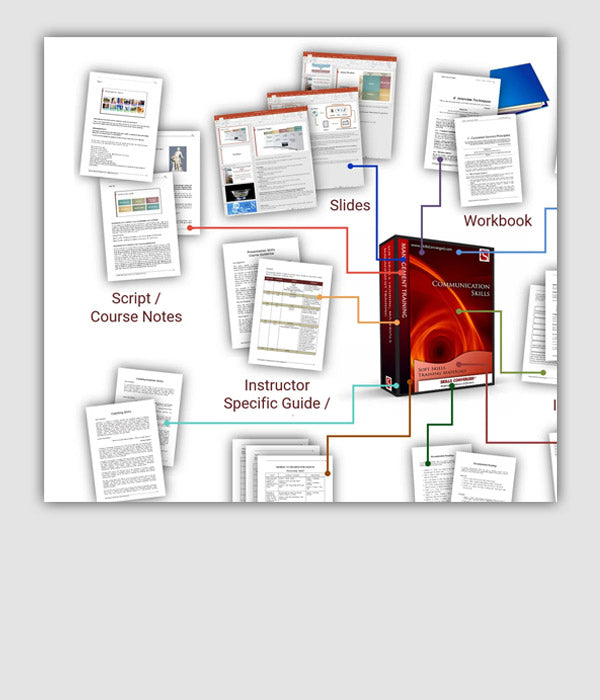
Save preparation time with ready-to-use course packs containing editable slides, detailed trainer notes, participant workbooks and engaging exercises.
Management ◆ Interpersonal Development ◆ Personal Development
The Most Similar Exercises & Articles to This in Order of Similarity Are:





Resources for Trainers and Course Designers
Instructional Design Books
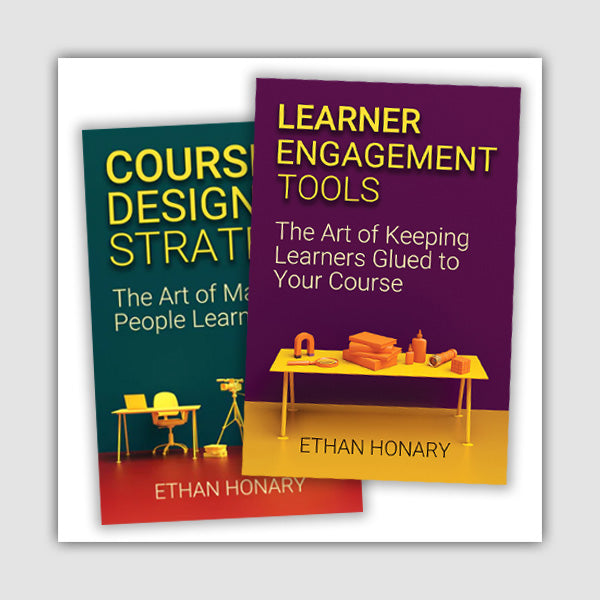
Practical books on course design, learner engagement and training delivery, available in paperback and ebook

Free Training Resources
Download a complete sample course with training activities, assessment forms and practical resources for trainers.

Comprehensive Body Language Guide
Explore body language, gestures, posture, facial expressions and non-verbal communication in one practical guide.

Train the Trainer Resources
Improve course design and delivery with practical guides, specialist books and Train the Trainer courses.
Leave a comment
All comments are moderated before being published.
This site is protected by hCaptcha and the hCaptcha Privacy Policy and Terms of Service apply.