





Advanced Communication Skills Training Materials
Moving beyond basic communication techniques, these fully editable advanced communication skills training materials help trainers explore the deeper causes of misunderstanding and damaged relationships. Through realistic conversations and practical exercises, participants learn to examine perspectives and intentions, take responsibility, manage emotions, handle implicit messages and escape destructive patterns of communication.
Format: Fully Editable Word & PowerPoint
Delivery: Instant Download & Ready to Use
Licence: Reusable for Unlimited Workshops
Trainer Friendly: Comprehensive Trainer Notes
Trusted Worldwide
Skills Converged customers include the NHS, Adidas, the BBC, BMW and Etihad Airways and many universities. Our training materials are used in more than 100 countries.

Key Topics Covered in the Advanced Communication Skills Course
What Participants Will Learn
By the end of this course participants will be able to:
What Is Included
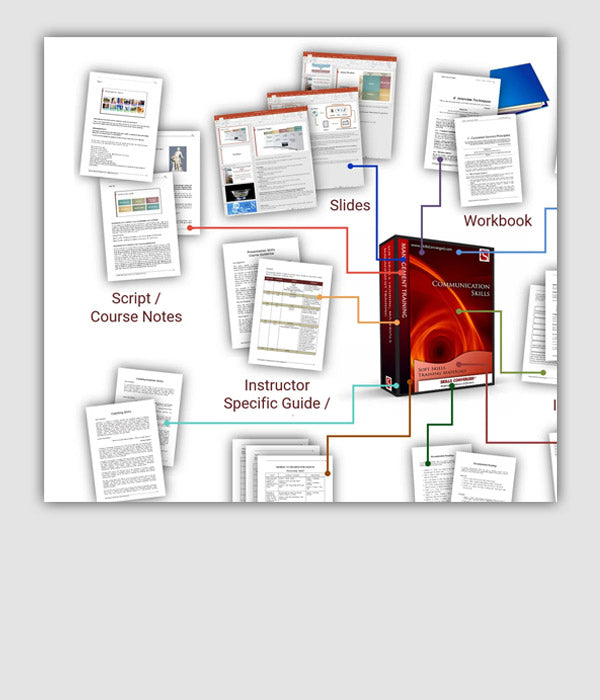
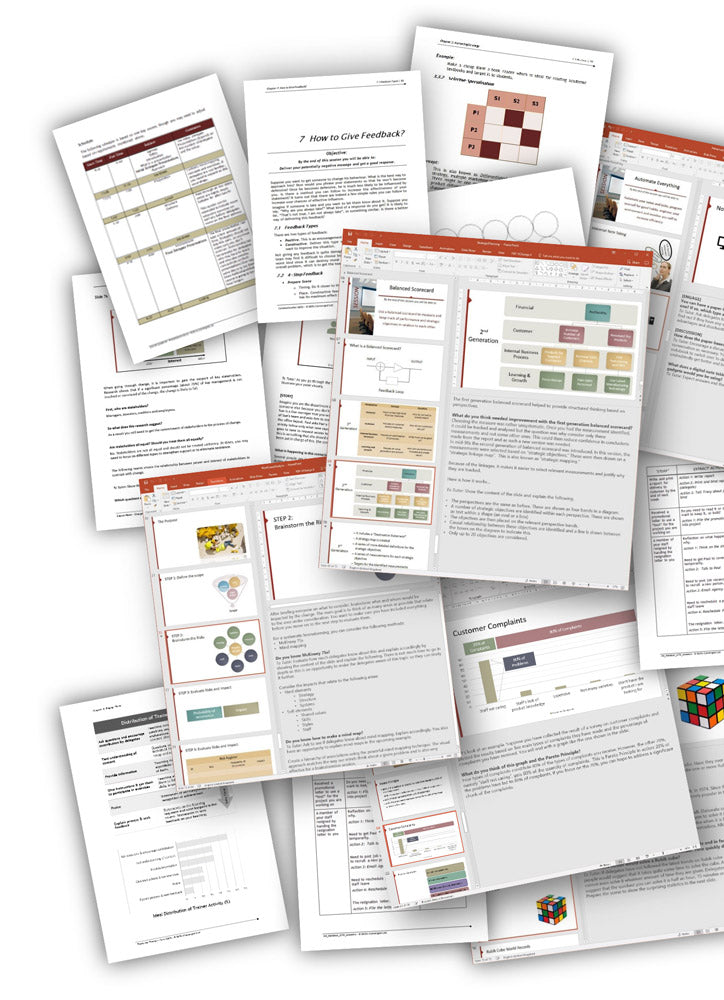
Everything you need to run the course:
- Slides
- Trainer Notes
- Workbook
- Exercises
- Handouts
- Specific Course Guidelines
- Agenda and Course Outline
- Training Methodology Guidelines
- Feedback Forms
- Certificate of Achievement
- Recommended Readings
Bonus ebook included: How to Increase the Impact of Exercises and Get the Best Results
Fully Customisable Training Course Material
Detailed Syllabus for the Advanced Communication Skills Course
We interact with others on daily basis and our communications can influence different aspects of our lives. Knowing how to communicate well can have a significant impact on an individual’s success and so it pays to constantly train on it and aim to improve your performance.
This course follows on from Communication Skills and aims to expand deeper into many sources of miscommunication. It provides several easy-to-use soft skills techniques that can be employed in establishing rapport with others, strengthening relationships and avoiding common conversational traps. In particular, the course covers areas such as probing and understanding other people’s perceptions, understanding intentions and their impact, taking responsibility and avoiding blame.
During this course delegates learn to manage their emotions better so that these emotions don’t leak or burst into conversations at the wrong moment. Techniques are provided to manage difficult conversations and to avoid getting trapped in a psychological game going back and forth on certain points rather than moving forward to focus on underlying issues or concerns.
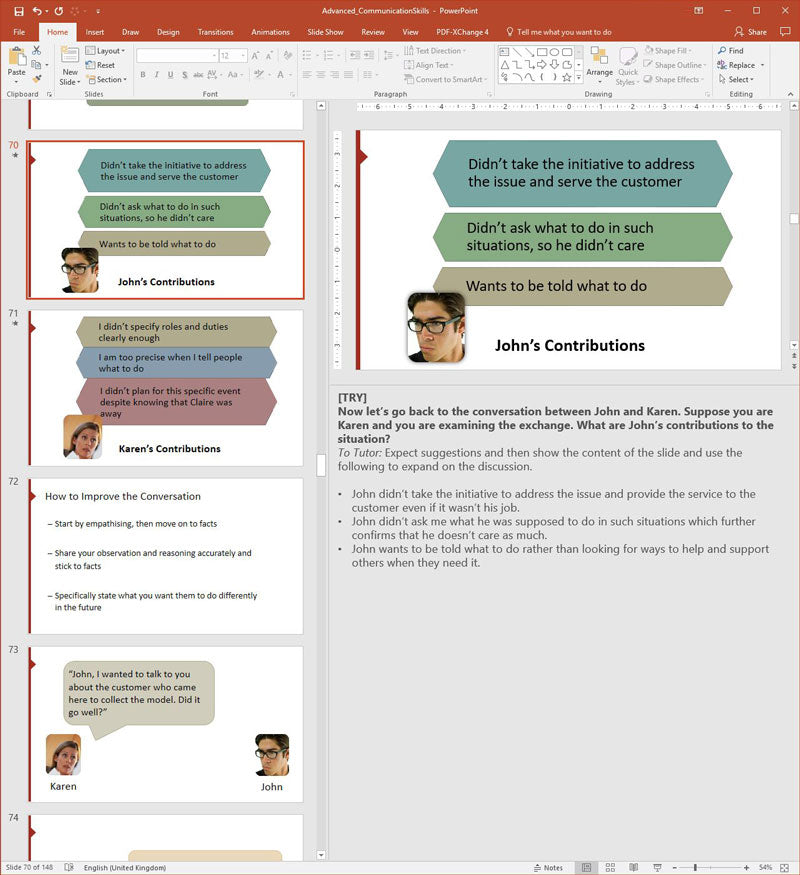
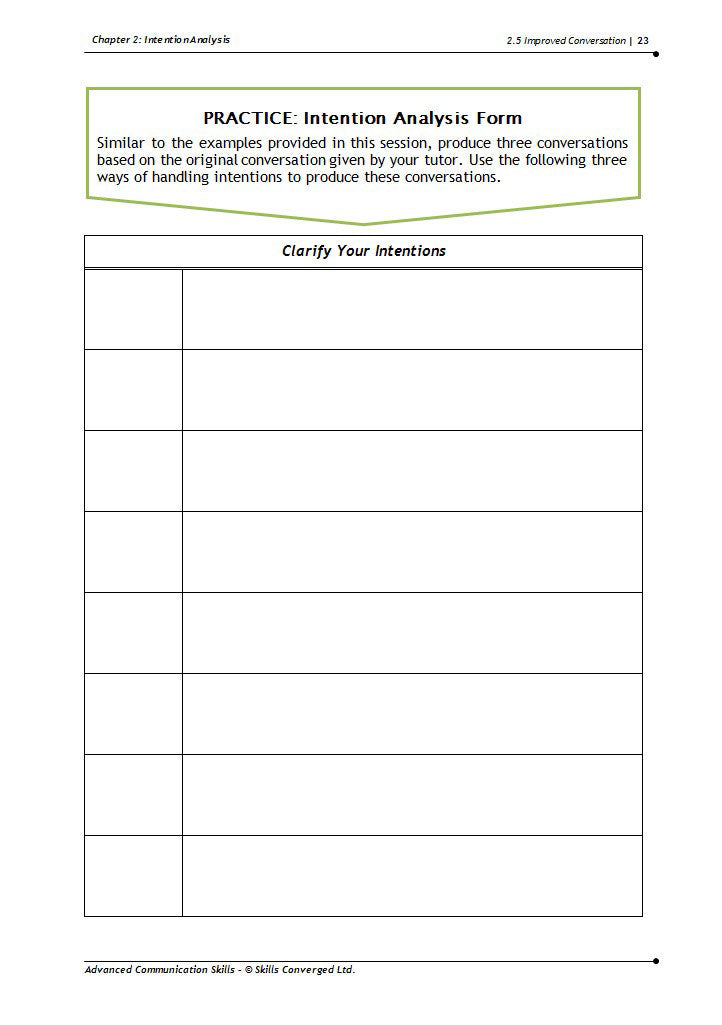
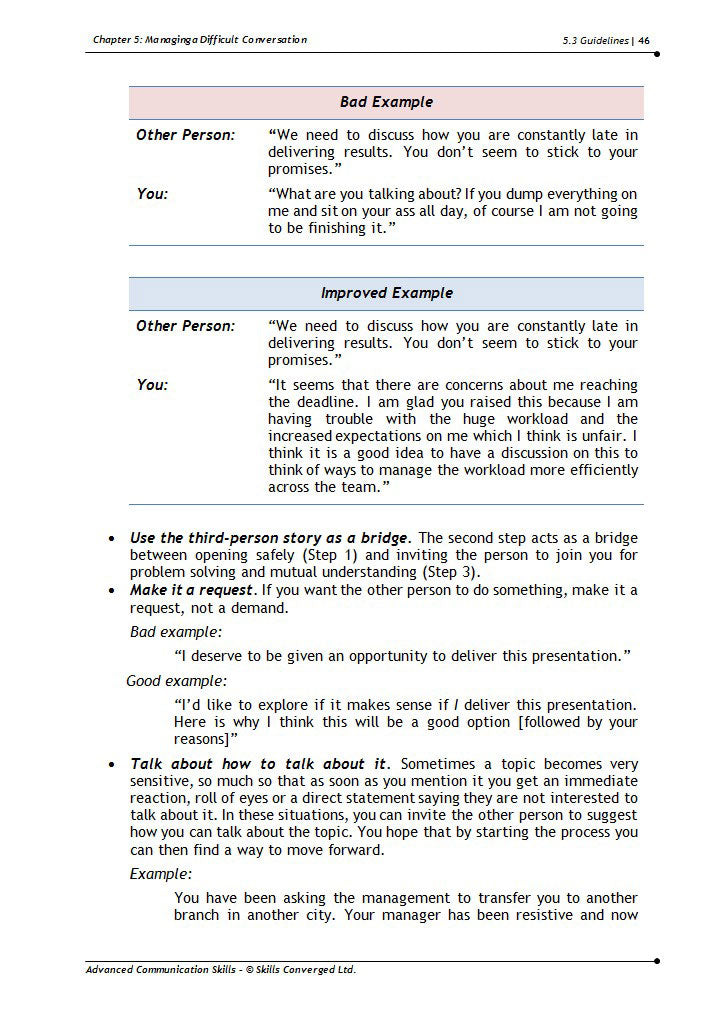
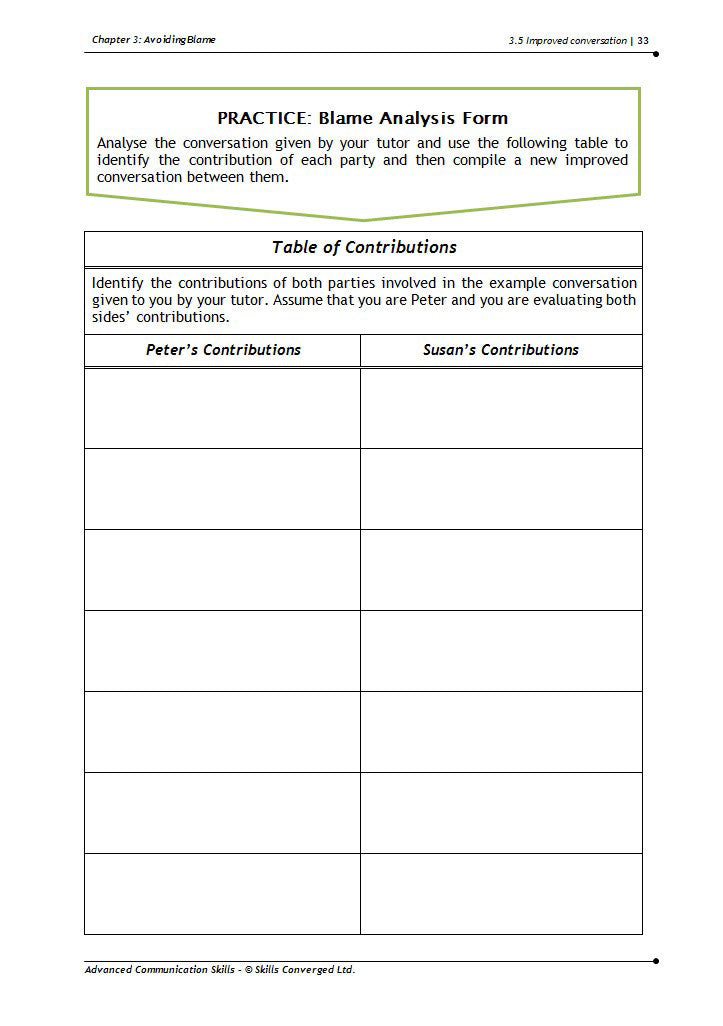
All of the techniques explored in the courses are thought using several examples. Many example conversations of poor communication are provided and delegates are encouraged to analyse them. This is then followed by in-depth training on why and how these conversations fail and what can be done to avoid them. This is subsequently followed by improved examples so delegates can see exactly how to use the techniques and what to expect of them. Delegates then participate in several exercises to master these skills. Exercises are carefully designed to help the delegates memorise these techniques during the course and learn to apply them in real-time in realistic situations encountered in the real world.
In this highly practical course participants will learn:
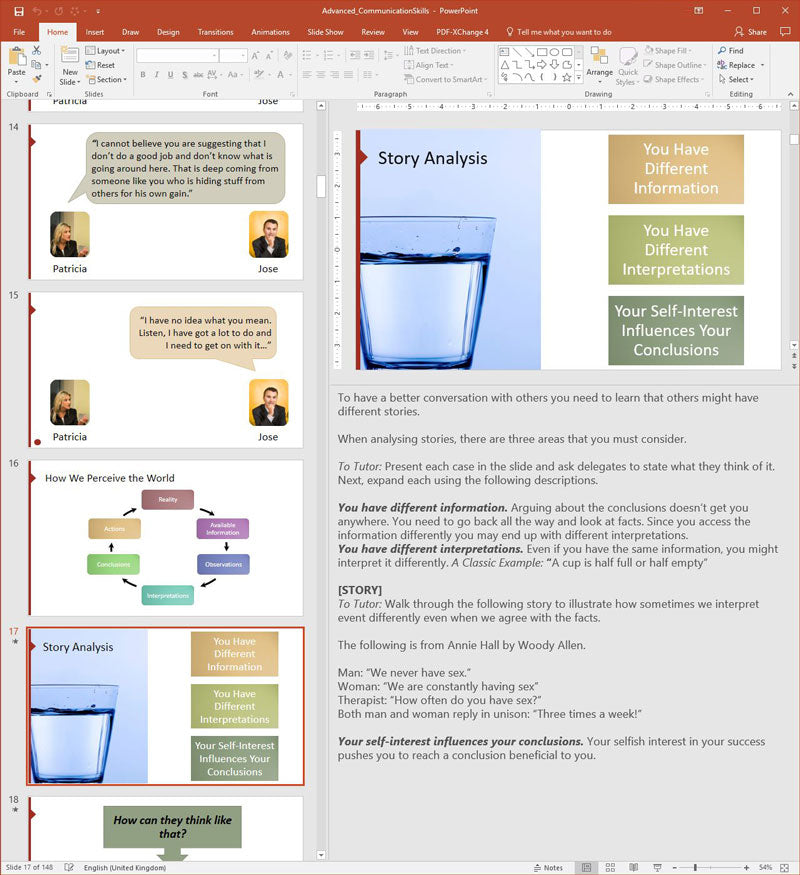
Understanding Stories
- How do you perceive the world?
- How do you make stories to make sense of what goes around you?
- How these stories come to define your behaviours?
- How can you use story analysis to improve your communication with others?
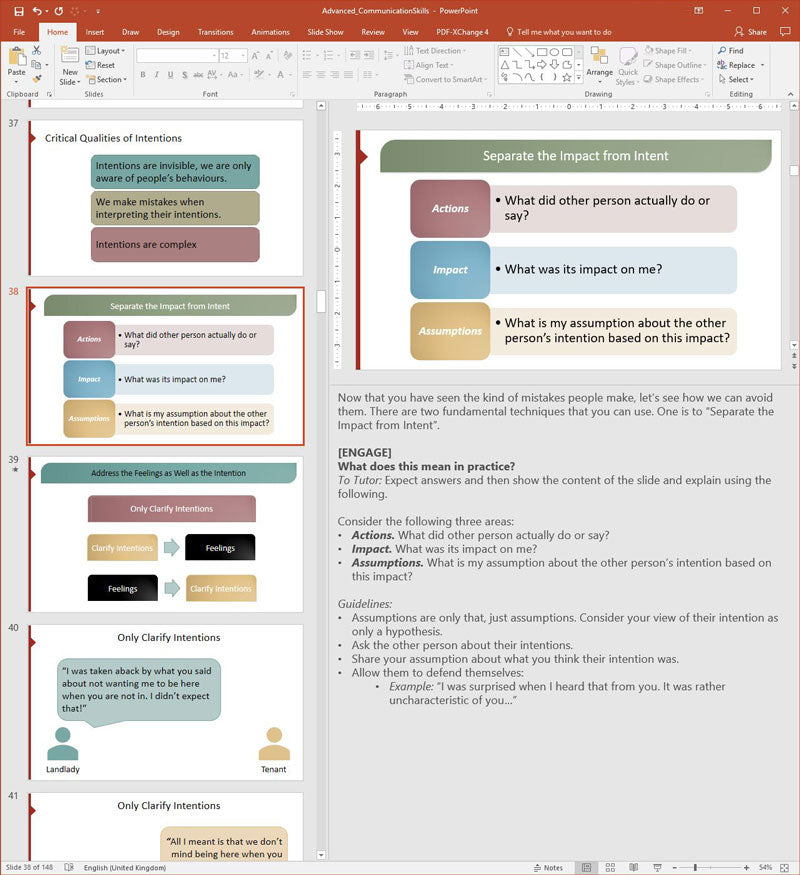
Intention Analysis
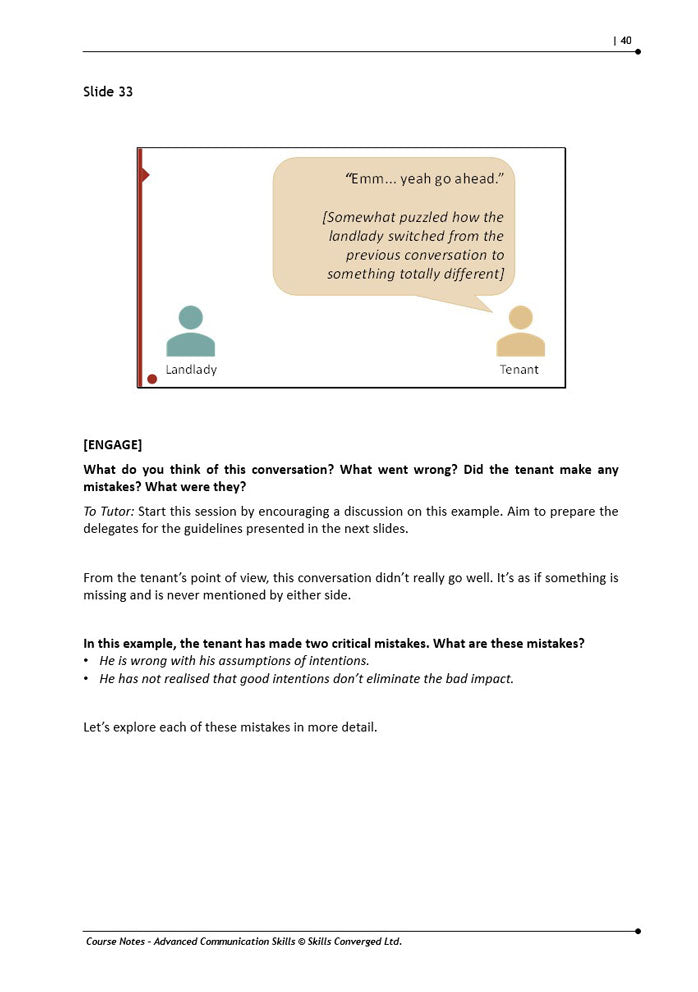
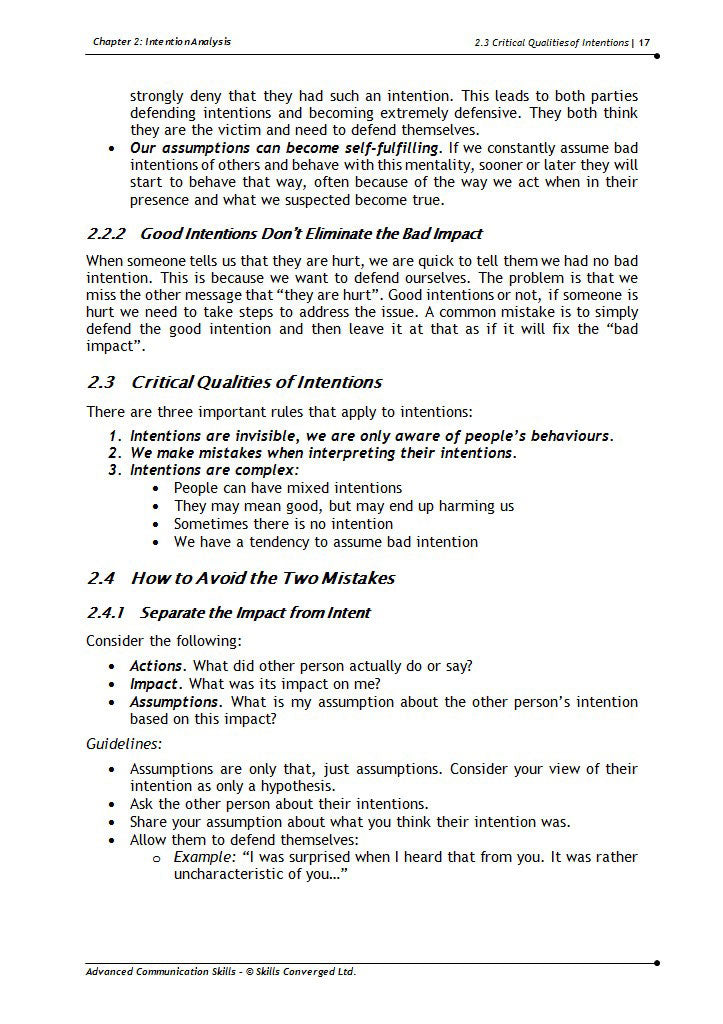
- What are the two common mistakes made when considering intentions?
- How to avoid these mistakes
- What is the relationship between intentions and their impact and how should you respond to them?
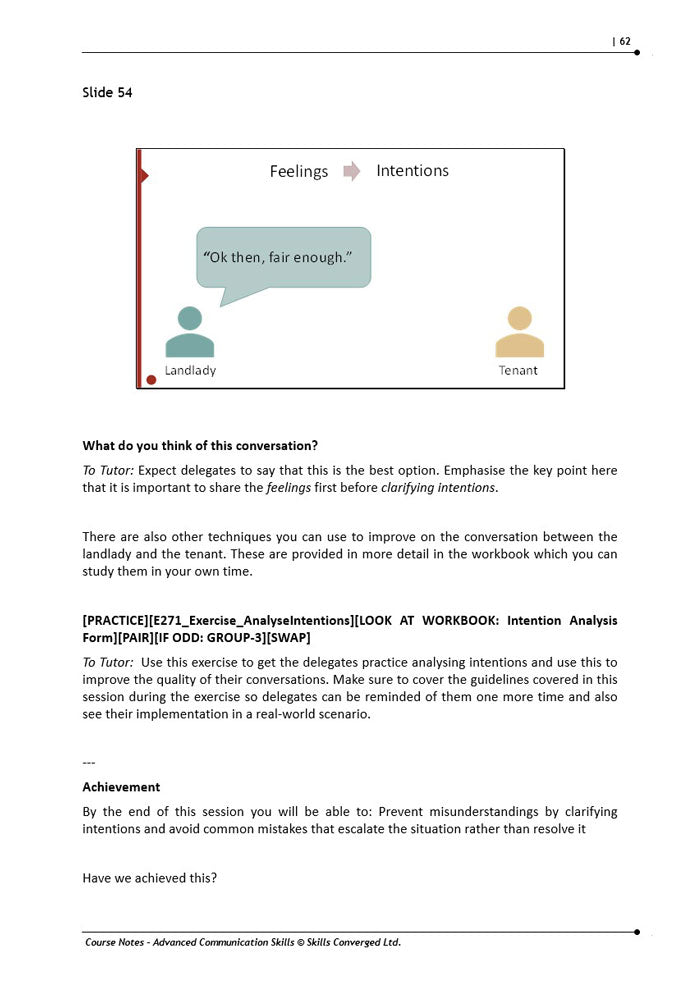
- How should you handle intentions to get the best results?
- What is the best way to share your intentions with others?
Avoiding Blame
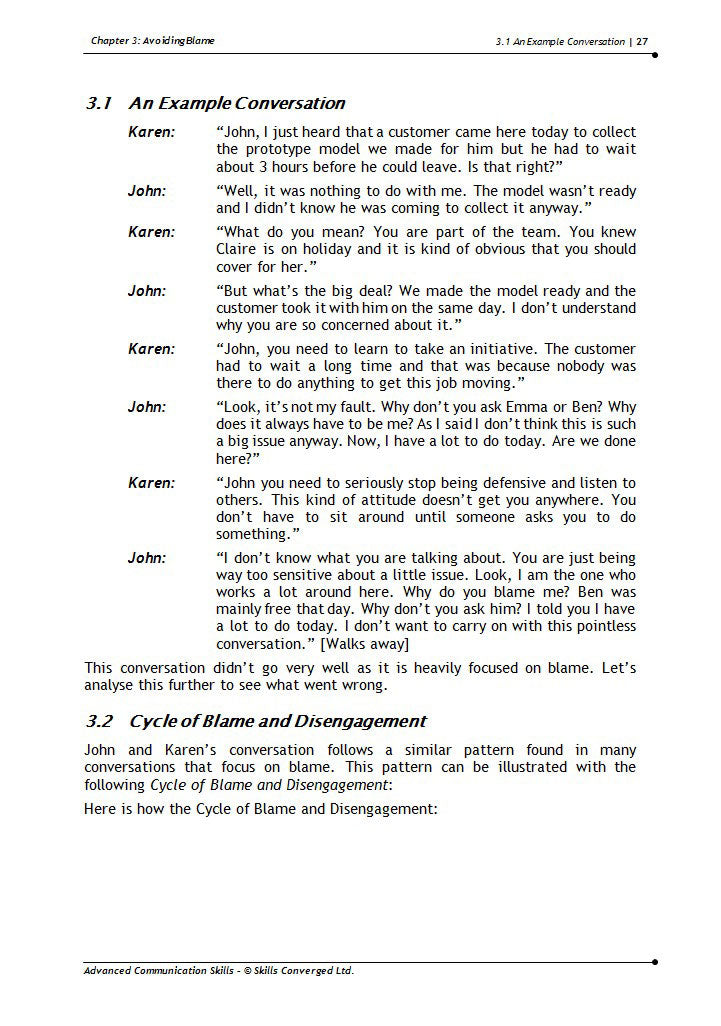
- What is the Cycle of Blame and Disengagement?
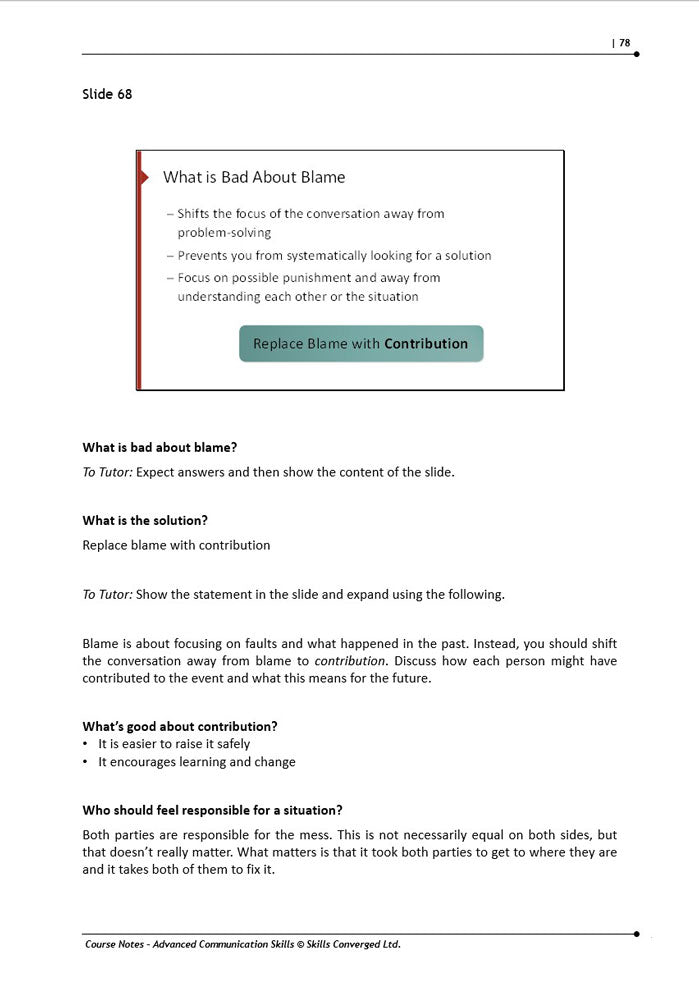
- What is bad about blaming others when things go wrong?
- What should you do instead when things go wrong?
- How to avoid blaming others
Feelings
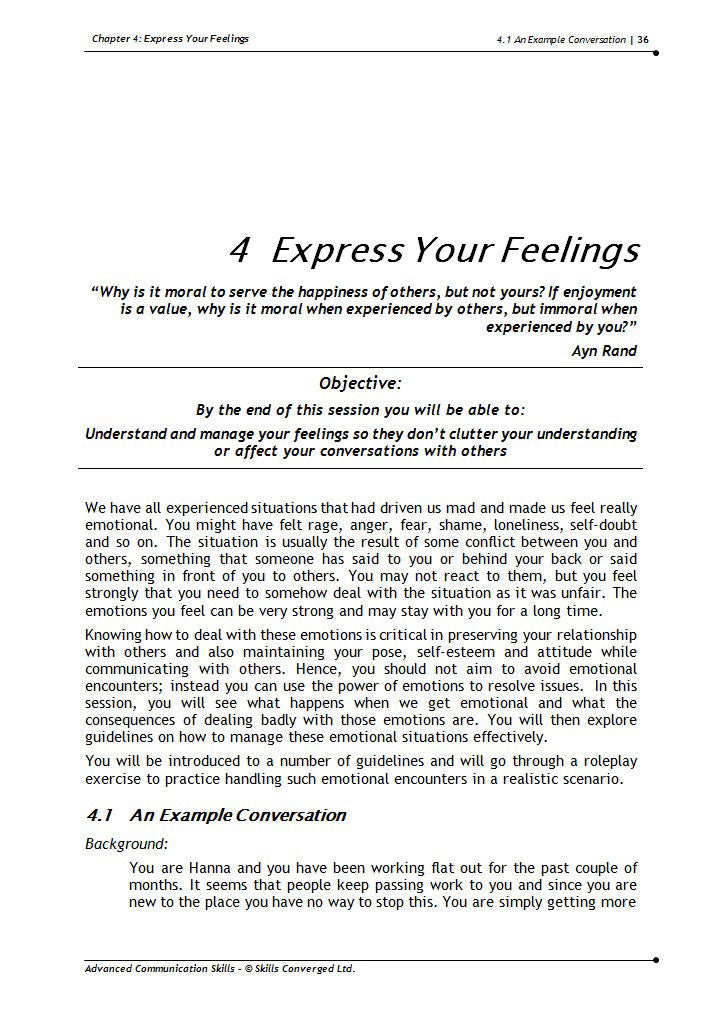
- If you feel strongly about something, how should you express yourself?
- What happens if you don’t share your feelings with others?
- Should you bury your feelings and get rid of them as hard as you can? Should you vent them or should you deal with them?
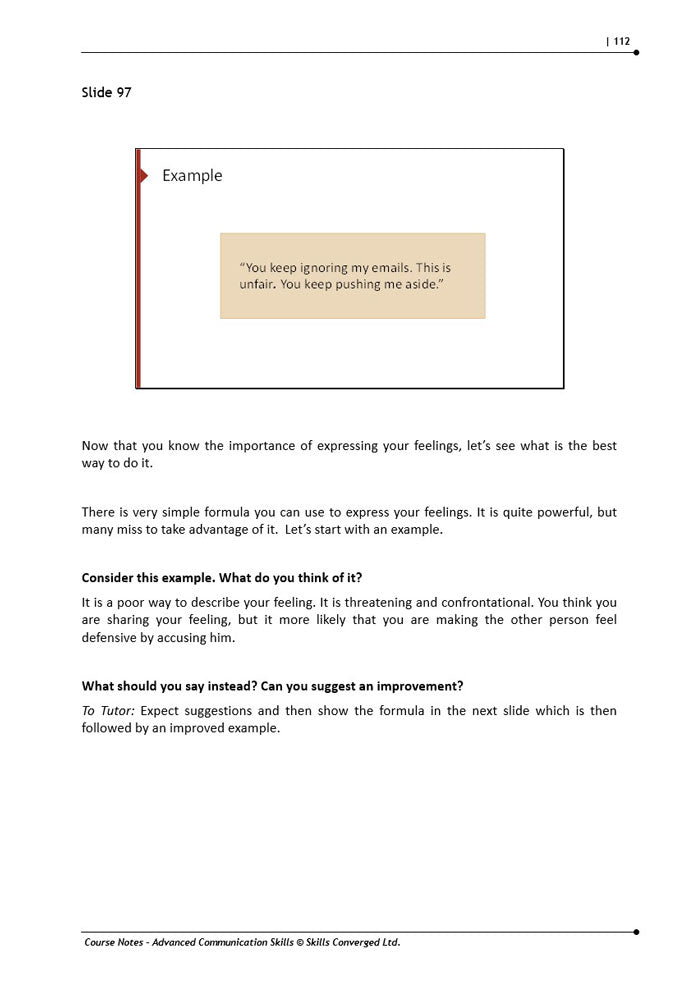
- How can you use a simple formula in conversations to easily share your feelings with others?
Difficult Conversations
- What is the best way to express your dissatisfaction with someone?
- How to analyse implicit messages in what you say or is said to you
- What is the impact of these implicit messages on people and their long term relationship?
- How to take advantage of the 4-Steps Conversation Technique to significantly improve the quality of your conversations
Psychological Games
- Why people get stuck in circular arguments and feel they should not give in to others?
- How can you break this cycle and improve your communication skills?
- What is the “Drama Triangle” and how can it be used to improve your communication with others?
“The real art of conversation is not only to say the right thing at the right place but to leave unsaid the wrong thing at the tempting moment.”
Dorothy Nevill
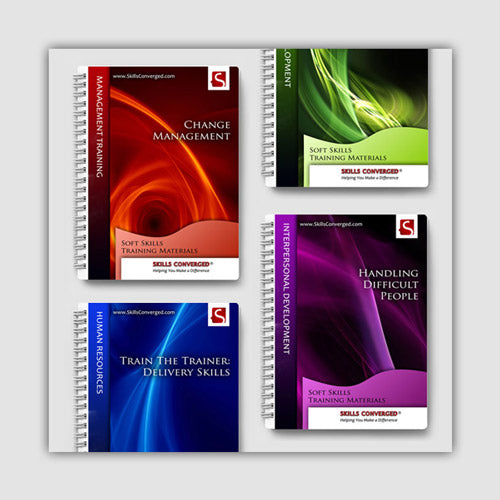
Multi-Course Pricing Discount
10% OFF when you purchase 2 or more training materials packs.
20% OFF when you purchase 3 or more training materials packs.
30% OFF when you purchase 10 or more training materials packs.
Courseware Features
Buy & Download Instantly
- Add this course to your basket and pay securely using a debit or credit card, PayPal, Apple Pay or Google Pay.
- After payment, you will be taken immediately to the download page. We will also email your download link.
- Download and unzip the package to access the editable Word and PowerPoint training resources.
Buying several courses? Multi-course discounts are applied automatically in your basket.
Payment, Downloads and DiscountsCustomise the content, add your branding and combine it with your own materials. Supplied in editable DOCX and PPTX formats
Reprint participant workbooks as often as required.
A coordinated collection of trainer and participant resources that include slides, trainer notes, workbook, exercises and supporting documents such as printable certificates and feedback forms.
Content and design informed by educational psychology, behavioural science and business practice.
Includes detailed guidance to help you prepare and deliver the course confidently. We specialise in training trainers, so our course materials are designed around methods that work in real-world training delivery.
Examples, case studies and exercises support practice, engagement and long-term retention.
About the Design Philosophy of Advanced Communication Skills Course
Used by Trainers in
100+ Countries
Our Training Materials Are Used Worldwide
View a selection of our customers
Read customer testimonials





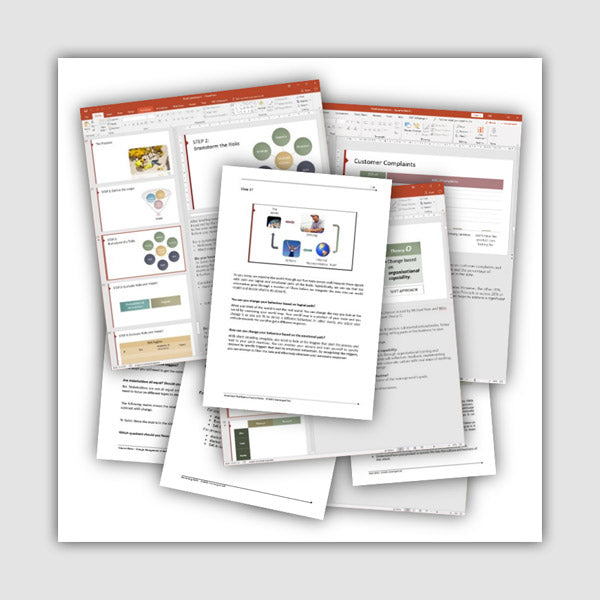
Preview a Complete Sample Course
See an example pack containing slides, trainer notes, a workbook, exercises and handouts.

Train the Trainer Resources
Improve course design and delivery with practical guides, specialist books and Train the Trainer courses.

Frequently Asked Questions
Find answers about editing, licensing, payments, downloads and technical requirements.
For Trainers and Training Providers
Expand your course portfolio, adapt editable materials to each audience and prepare professional training in less time
For L&D and HR Teams
Give internal facilitators consistent, professionally designed courseware that can be customised to your organisation and reused across teams