


Communication Skills Training Materials
This ready-to-use package of fully editable communication skills training materials helps trainers deliver a practical one-day course on effective workplace communication. Through interactive exercises, participants explore communication styles and practise active listening, questioning, assertiveness, empathy and body language to communicate clearly, build rapport and reduce misunderstandings.
Format: Fully Editable Word & PowerPoint
Delivery: Instant Download & Ready to Use
Licence: Reusable for Unlimited Workshops
Trainer Friendly: Comprehensive Trainer Notes
Trusted Worldwide
Skills Converged customers include the NHS, Adidas, the BBC, BMW and Etihad Airways and many universities. Our training materials are used in more than 100 countries.

Key Topics Covered in the Communication Skills Course
What Participants Will Learn
By the end of this course participants will be able to:
What Is Included
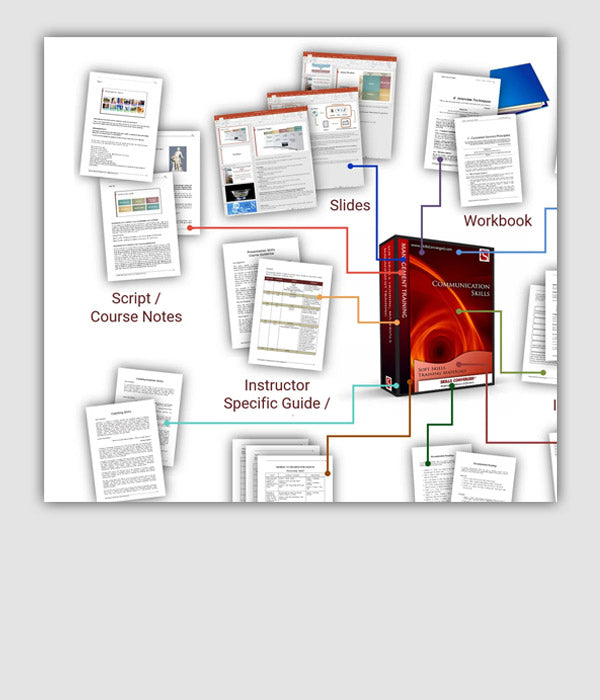
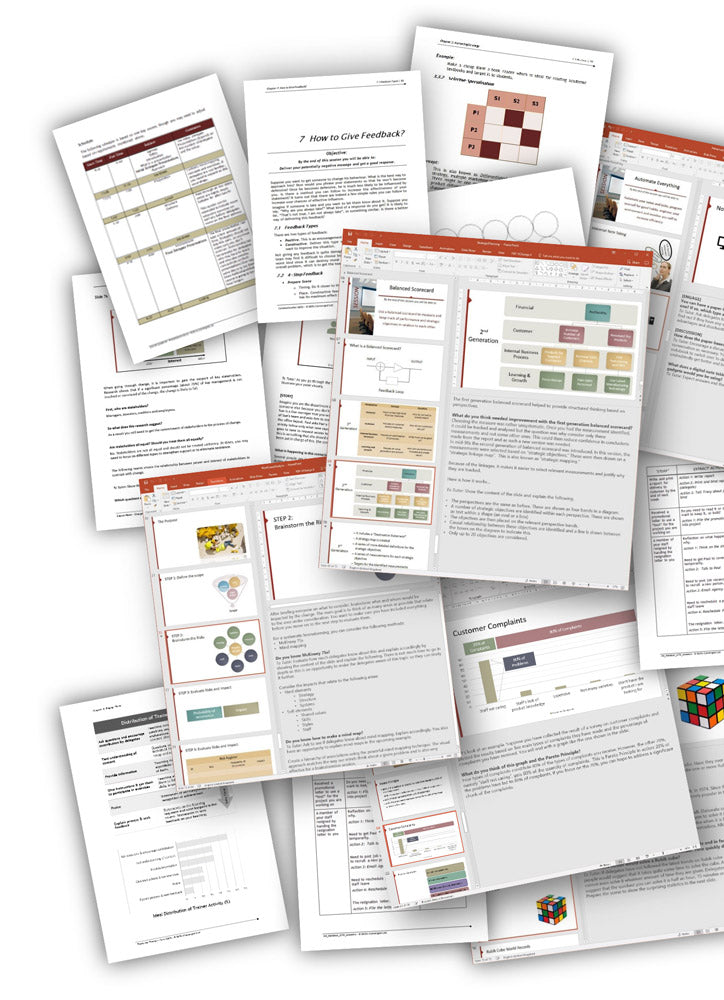
Everything you need to run the course:
- Slides
- Trainer Notes
- Workbook
- Exercises
- Handouts
- Specific Course Guidelines
- Agenda and Course Outline
- Training Methodology Guidelines
- Feedback Forms
- Certificate of Achievement
- Recommended Readings
Bonus ebook included: How to Increase the Impact of Exercises and Get the Best Results
Fully Customisable Training Course Material
Detailed Syllabus for the Communication Skills Course
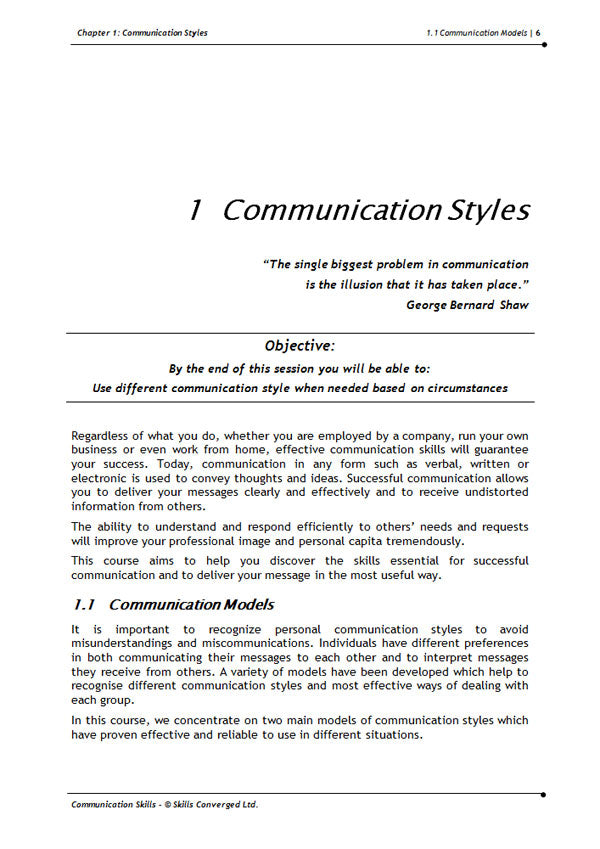
Effective communication improves relationships, teamwork and professional performance. This practical course helps delegates communicate more clearly, confidently and appropriately in different situations.
The course covers communication styles, active listening, questioning, assertiveness, empathy, body language and the prevention of misunderstandings. Interactive exercises allow delegates to practise the techniques, receive feedback and develop confidence.
Communication skills can be learned systematically and mastered through persistent practice.
Includes Interactive Exercises and Trainer Guides

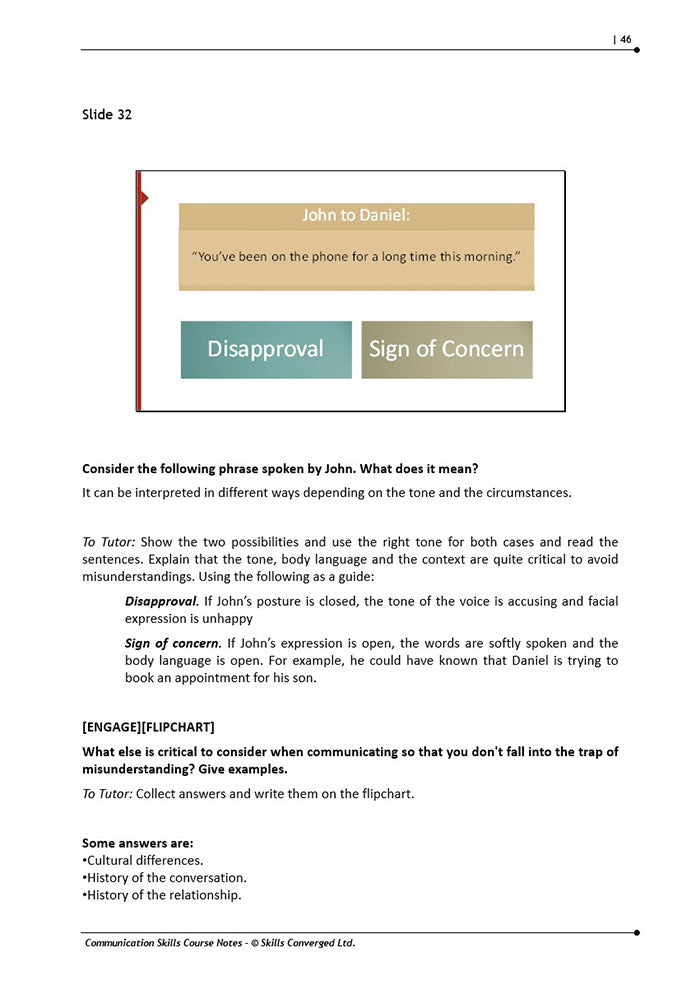
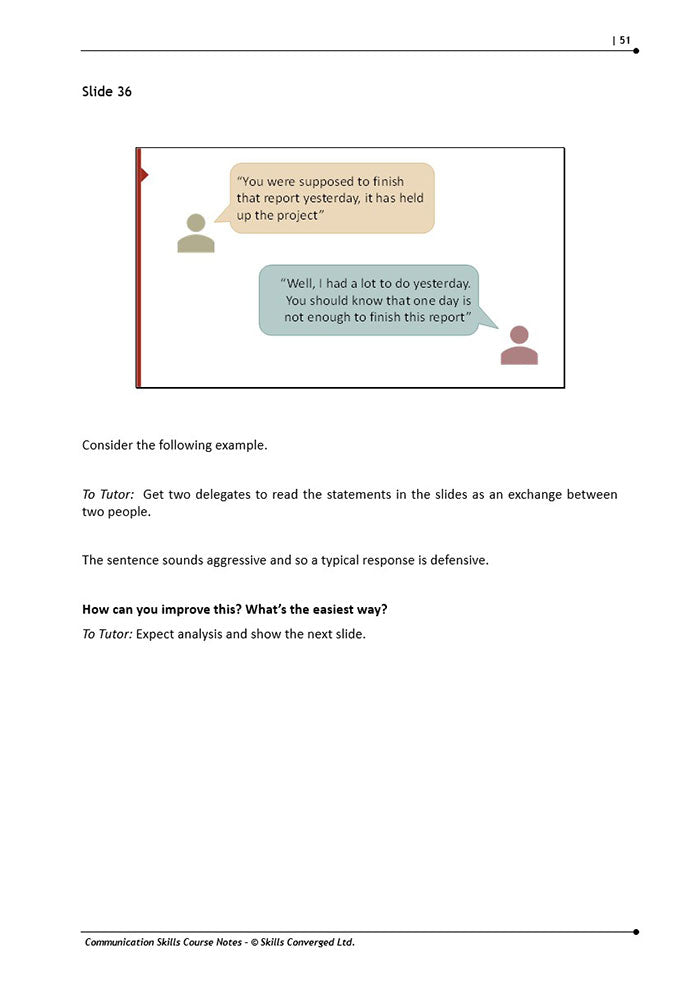
How NOT to Communicate!
This course accommodates two common delegate groups: established colleagues who want to improve communication within their team, and mixed groups whose members may not have worked together before. Optional content allows trainers to tailor the course for frontline employees, supervisors, managers, executives and team leaders.
In this highly practical course delegates will learn:
Communication Styles
- What does effective communication look like?
- What are the different styles of communication?
- What are the 4 orientations in effective communication and how does each person’s style impact their communication with you?
Interacting with People
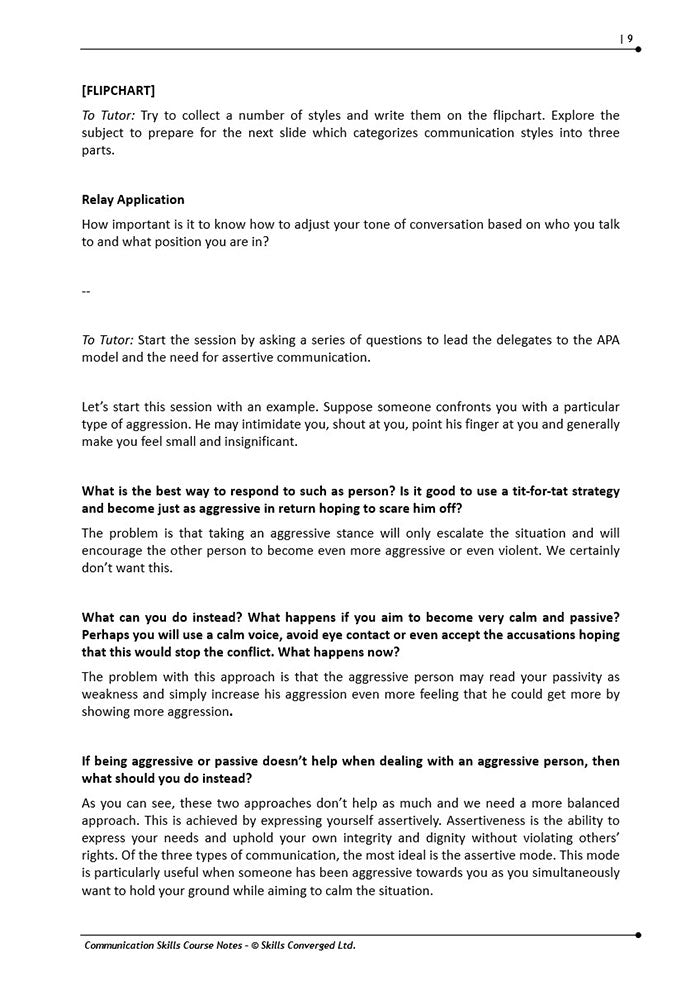
- What does it mean to be assertive and how can you achieve it?
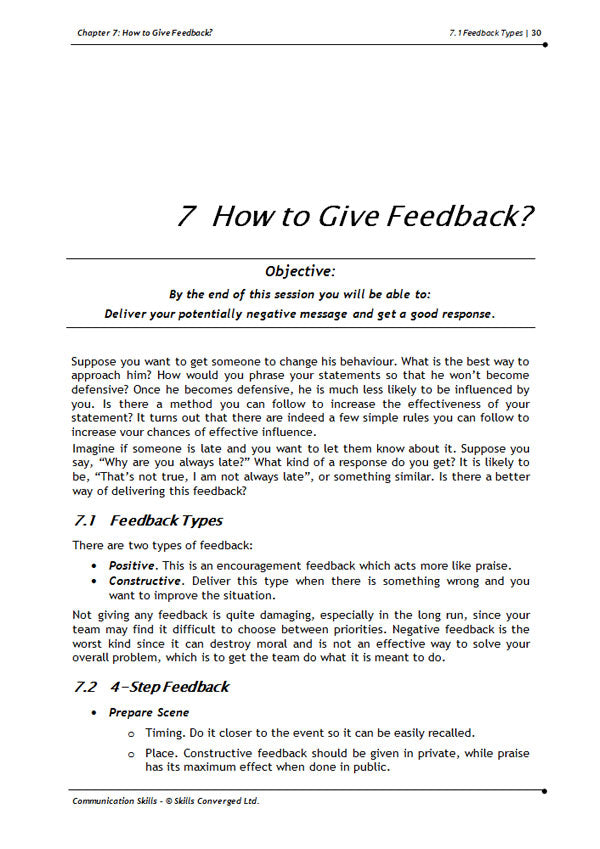
- How to provide feedback to others so they take your word seriously
- How can you avoid appearing aggressive?
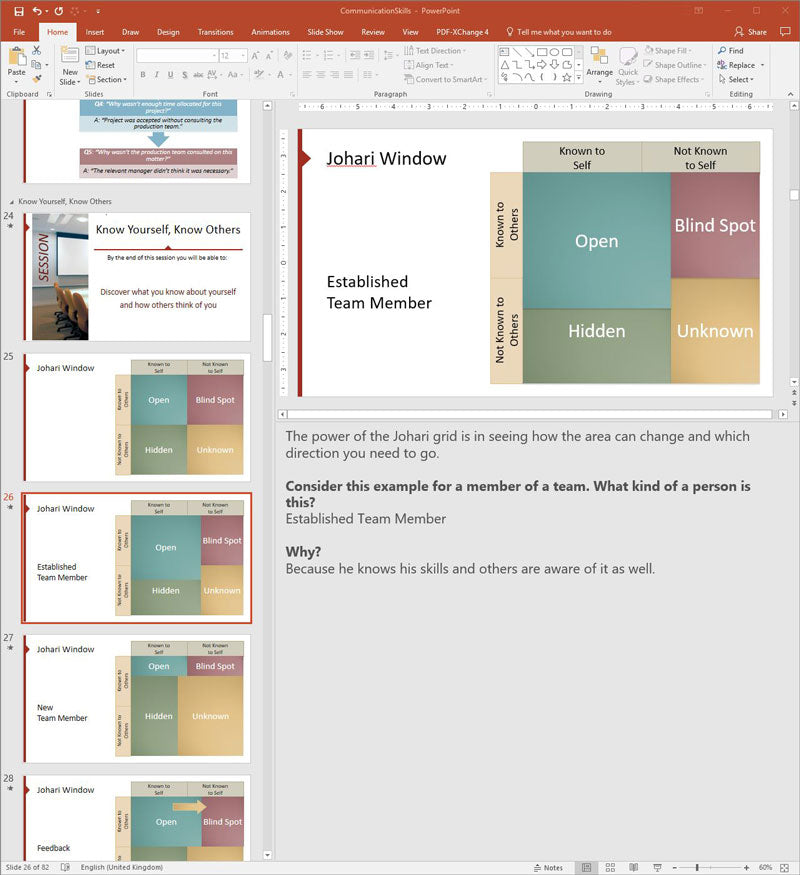
- How to use systematic methods to evaluate what you know about yourself and what you know about others
- How to learn which areas you need to work on to improve yourself based on other people’s impressions of you
Questioning Techniques
- How to ask the right questions at the right time
- How to ask for what you need while maintaining rapport
- How to address uncomfortable issues and prepare others to open up to you
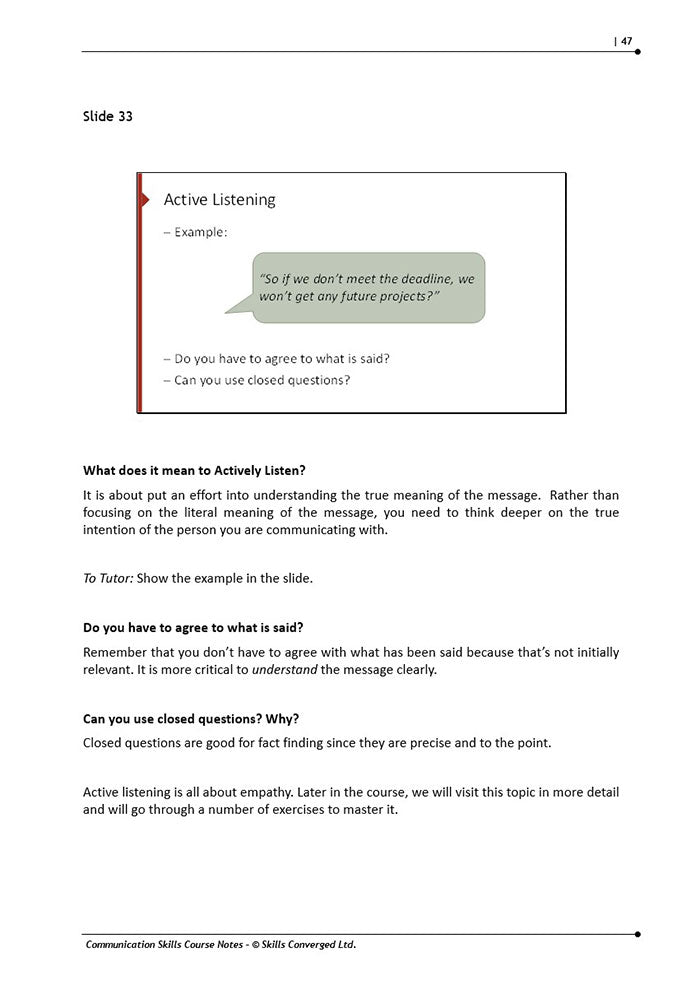
- What are the differences between open and closed questions and how can you take advantage of each?
- How to keep a conversation focused and moving in a productive direction
Misunderstanding
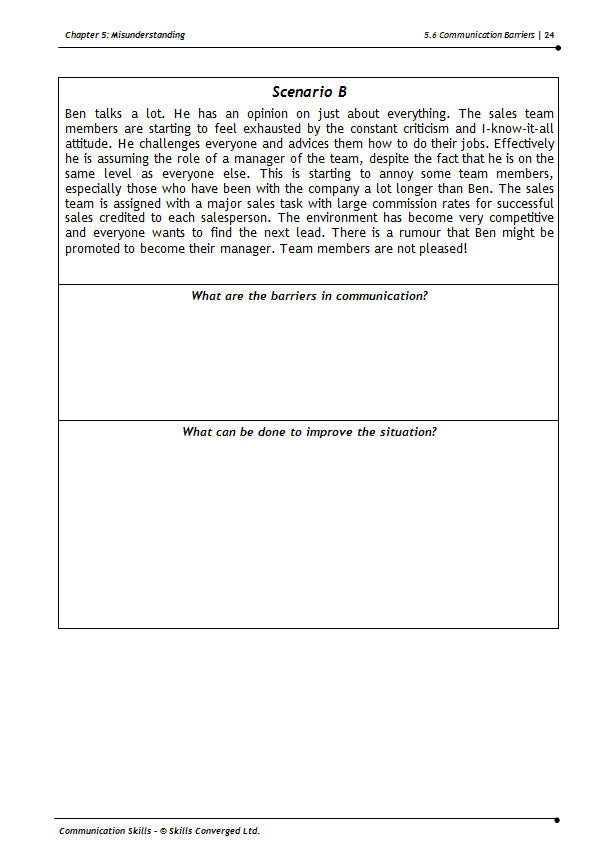
- What causes misunderstanding?
- How can you minimise misunderstanding?
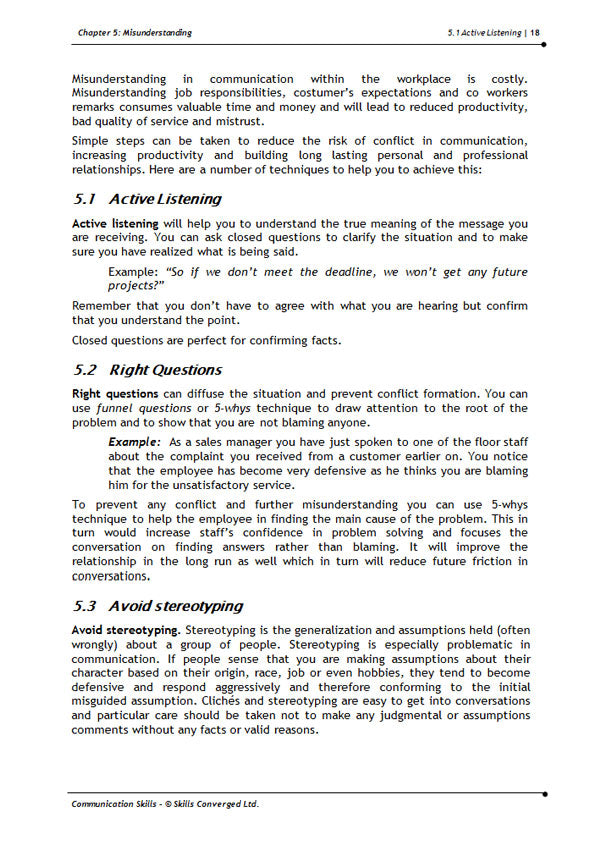
- How can stereotyping affect your communication?
- How to use active listening to gain rapport and commitment
- When should you use first person statements when communicating with others and when should you use second person?
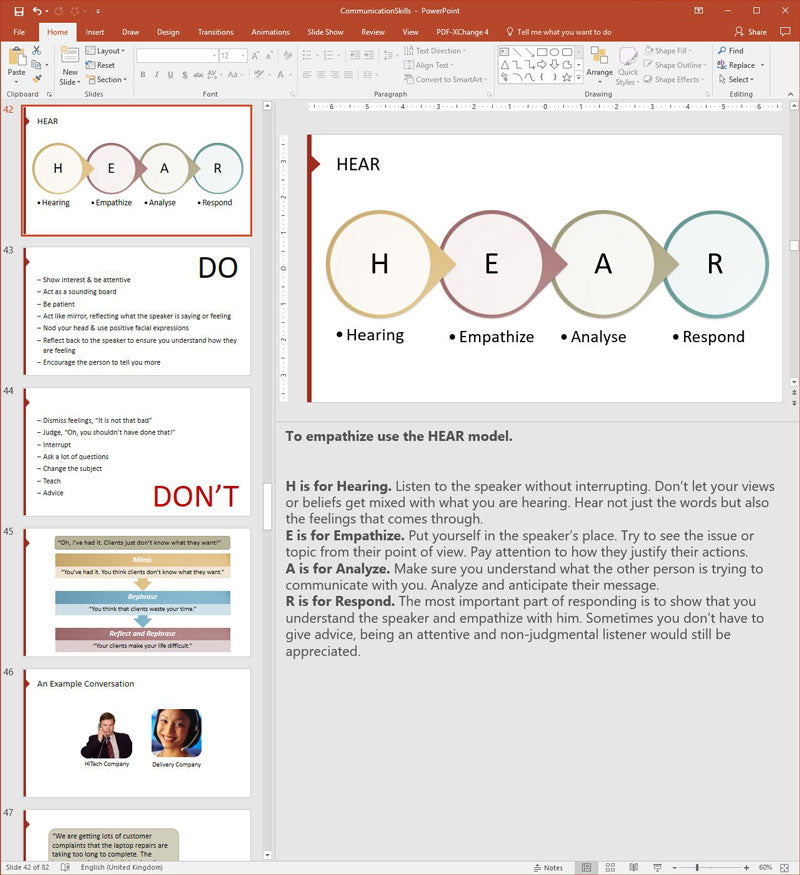
Empathy & Emotional Intelligence
- What is the effect of empathy on communication?
- How to use a simple empathic technique to construct sentences based on what you hear from others and respond with empathy
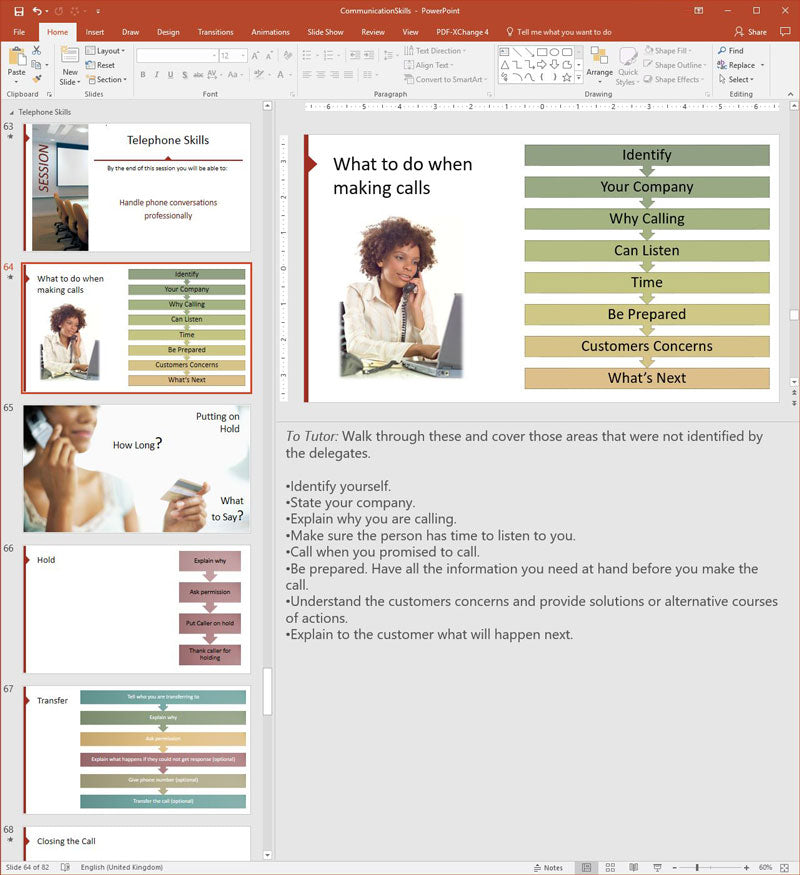
Telephone and Virtual Communication
- How to handle phone conversations
- How to put people on hold
- How to transfer a phone call to someone else
- How to end a phone call
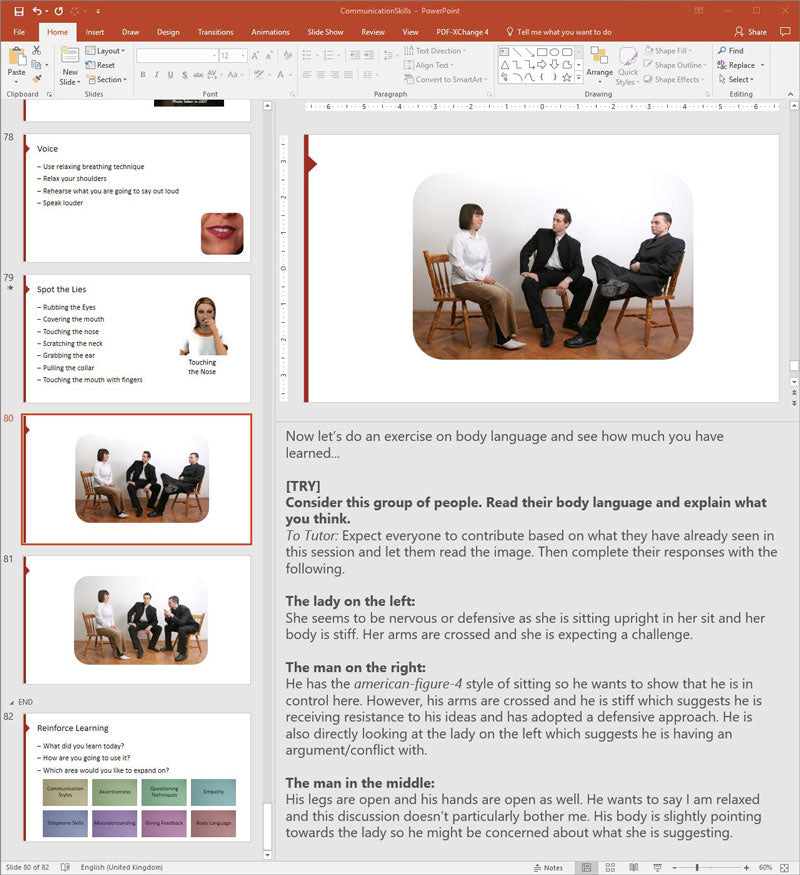
Body Language
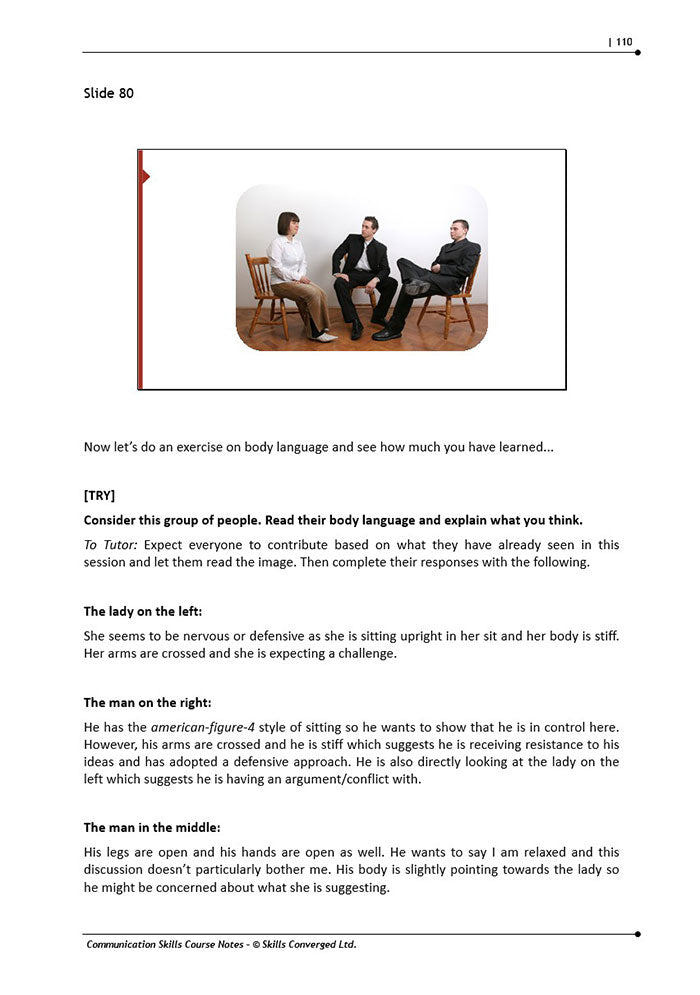
- How can you read people through their body language and understand their motives better?
- What gestures should you be aware of?
- What are the differences between open and closed body gestures and how do they impact your communication with others?
- How to recognise non-verbal signals and possible inconsistencies
- How to use tone, pace and emphasis effectively
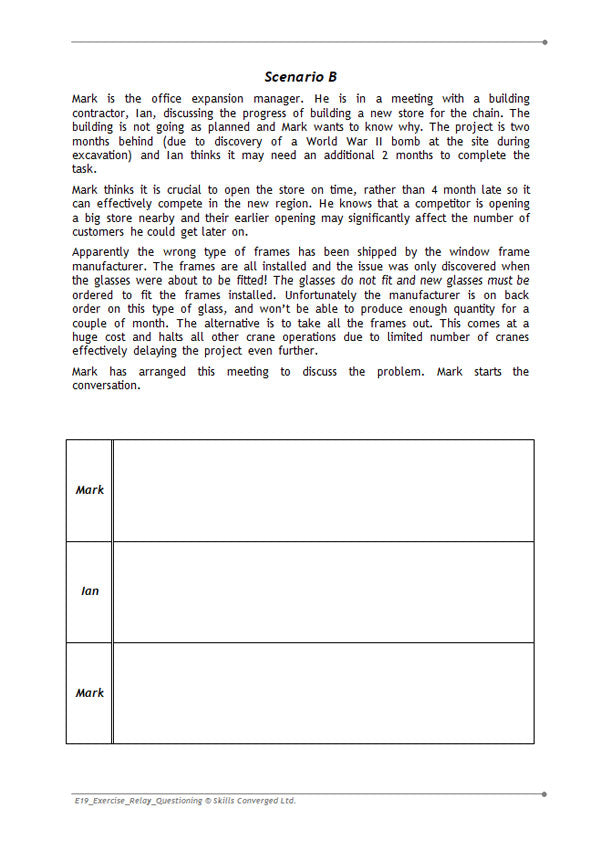
Preview the Open versus Closed Questions exercise included in this course. This engaging activity demonstrates the effect of different questioning techniques while giving delegates an opportunity to practise them.
"You can make more friends in two months by becoming interested in other people than you can in two years by trying to get other people interested in you."
Dale Carnegie
Multi-Course Pricing Discount
10% OFF when you purchase 2 or more training materials packs.
20% OFF when you purchase 3 or more training materials packs.
30% OFF when you purchase 10 or more training materials packs.
Courseware Features
Buy & Download Instantly
- Add this course to your basket and pay securely using a debit or credit card, PayPal, Apple Pay or Google Pay.
- After payment, you will be taken immediately to the download page. We will also email your download link.
- Download and unzip the package to access the editable Word and PowerPoint training resources.
Buying several courses? Multi-course discounts are applied automatically in your basket.
Payment, Downloads and DiscountsCustomise the content, add your branding and combine it with your own materials. Supplied in editable DOCX and PPTX formats
Reprint participant workbooks as often as required.
A coordinated collection of trainer and participant resources that include slides, trainer notes, workbook, exercises and supporting documents such as printable certificates and feedback forms.
Content and design informed by educational psychology, behavioural science and business practice.
Includes detailed guidance to help you prepare and deliver the course confidently. We specialise in training trainers, so our course materials are designed around methods that work in real-world training delivery.
Examples, case studies and exercises support practice, engagement and long-term retention.
About the Design Philosophy of Communication Skills Course
Used by Trainers in
100+ Countries
Our Training Materials Are Used Worldwide
View a selection of our customers
Read customer testimonials






Preview a Complete Sample Course
See an example pack containing slides, trainer notes, a workbook, exercises and handouts.

Train the Trainer Resources
Improve course design and delivery with practical guides, specialist books and Train the Trainer courses.

Frequently Asked Questions
Find answers about editing, licensing, payments, downloads and technical requirements.
For Trainers and Training Providers
Expand your course portfolio, adapt editable materials to each audience and prepare professional training in less time
For L&D and HR Teams
Give internal facilitators consistent, professionally designed courseware that can be customised to your organisation and reused across teams