

Purpose
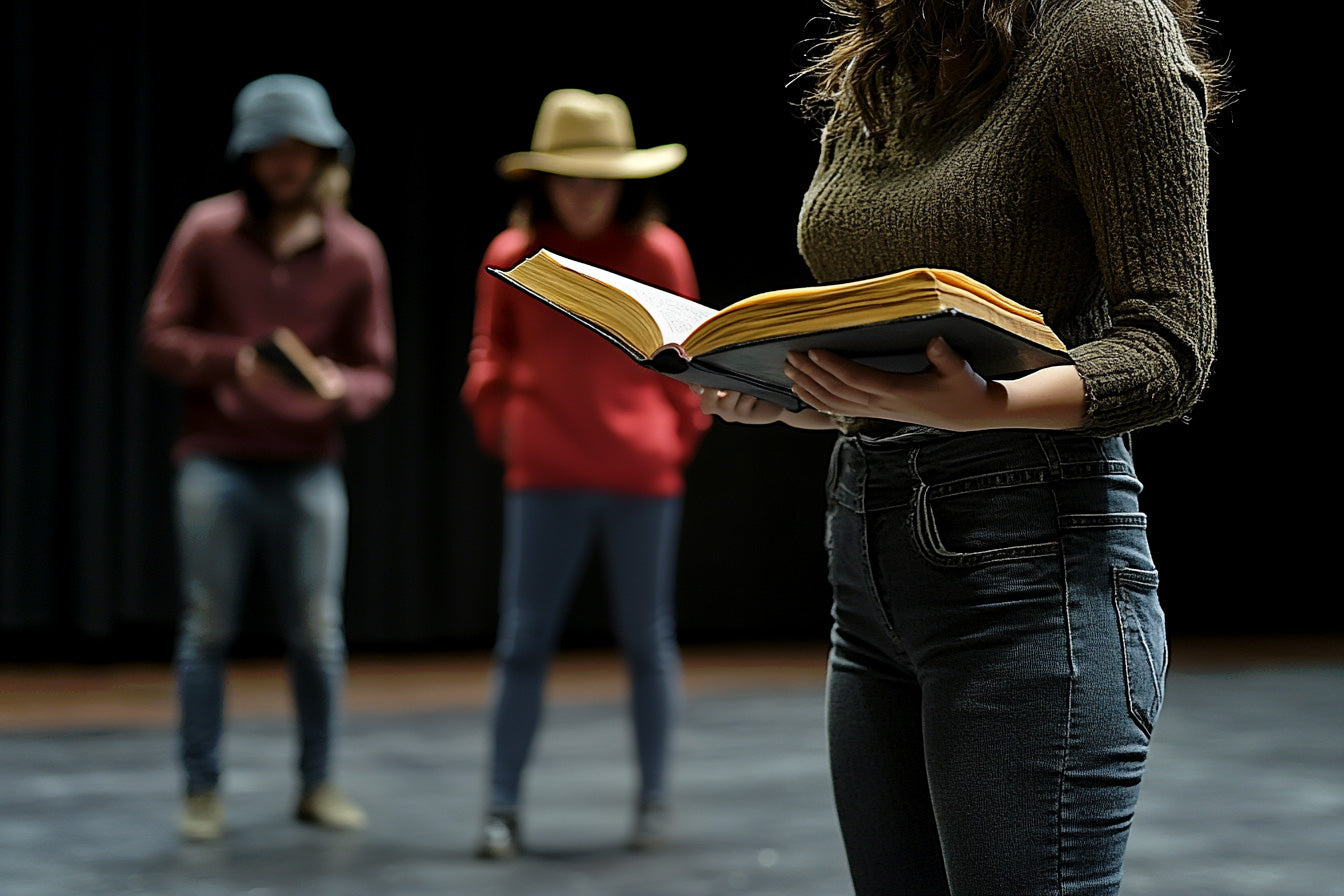
This is classic warm-up exercise in acting courses. The Shape–Shape–Line–Line exercise is both playful and powerful. It offers a physical, low-stakes way to practise reading others. It helps responding in the moment and expressing ideas without overthinking. This energetic and imaginative exercise enhances collaboration, physical storytelling, spontaneity and emotional expression. It is ideal for creative workshops, team-building, communication skills and emotional intelligence training. It builds the foundations of improv, acting, interpersonal awareness through gesture, posture and dialogue.
Objective
Working in pairs, delegates first create silent, embodied shape duos. Then in the second round add spoken lines to bring those shapes to life as a scene. It helps building confidence in improvisation, scene-building and presence.
What You Need
- A spacious room for movement
- Optional: background music for atmosphere during setup or transitions
Setup
- Ask delegates to form a large circle. Assign pairings: each two people directly opposite form pairs.
- Briefly explain the rules and goals for each round below. Encourage creativity, humour and trust. There is no ‘wrong’ way to do it; you expect genuine responses.
- Start from one end of the circle. The person will be the first ‘lead’ who would partner with the person opposite them.
Round 1: Shape–Shape (8 minutes)
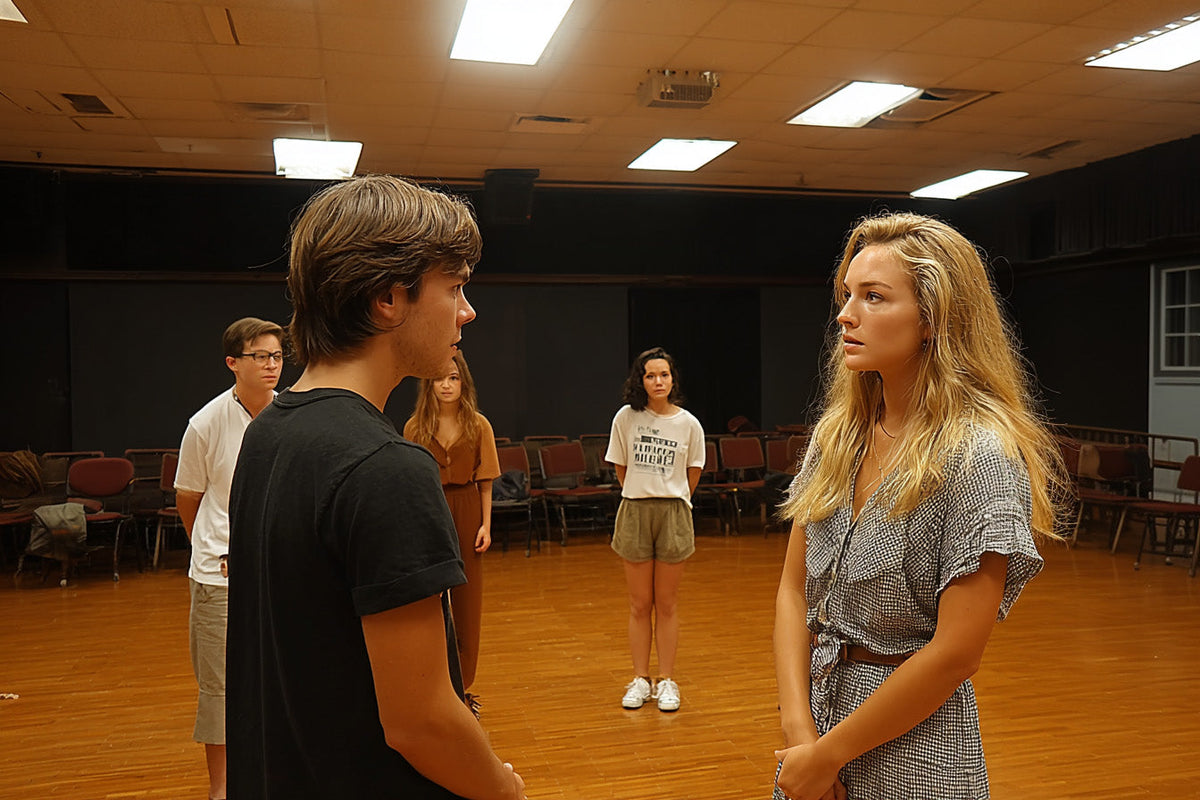
- The first ‘lead’ steps into the centre and silently form a full-body pose using facial expression and posture.
- Their partner immediately steps in and responds with a complementary shape. It should relate to the first shape, emotionally, spatially or narratively. For example, a ‘monster’ and a ‘frightened child’, or ‘someone painting’ and ‘someone holding a bucket of paint’.
- Once their combined tableau is complete, they drop their pose, tap out by high-fiving both hands and return to the circle.
- The next pair is cued in and repeats the same process.
- Once every pair has gone, swap roles and repeat the round with the second person in each pair now leading with the initial shape.
Round 2: Shape–Shape–Line–Line (10 minutes)
- Repeat the same structure as Round 1, but now, once both shapes have been created:
- The ‘lead’ person says a line of dialogue appropriate to their shape. For example: “I told you not to open that door!”
- Their partner replies with a line that completes or continues the scene. For example: “I didn’t think it would summon a raccoon army!”
- The pair then tap out with a double high-five and return to the circle.
- Continue until all pairs have gone through.
- Do a second round in reverse roles.
- Follow with a discussion.
Timing
Explaining the Exercise: 5 minutes
Activity: 8 min Round 1 + 10 min Round 2 = 18 minutes
Group Feedback: 10 minutes
Discussion
- What helped you decide how to respond to your partner’s shape?
- Were there any poses or lines that surprised you or made you laugh?
- How did adding the line change the experience compared to just using physical shapes?
- How does this apply to interpreting cues in real conversations or relationships?
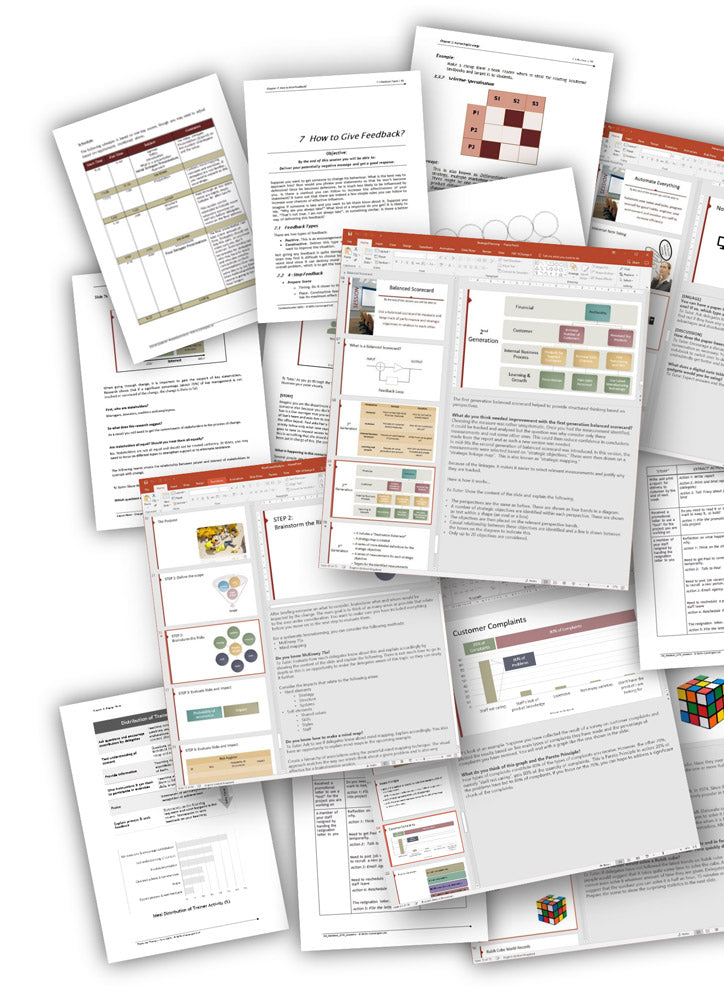
Ready-to-Use Soft Skills Training Materials
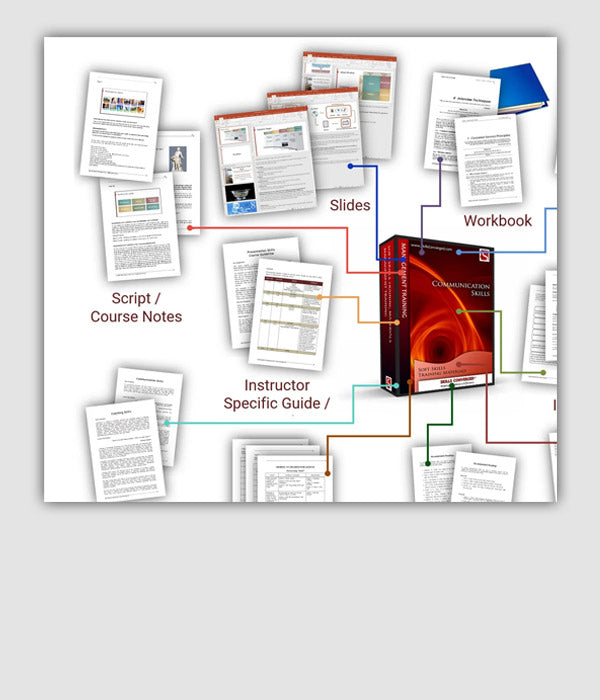
Editable slides, trainer notes, workbooks and exercises. Download, customise and reuse.
Why Choose Our Training Materials?

Online Train the Trainer Course:
Core Skills
CPD Accredited
Turn Your Expertise into Engaging, Well-Structured Training
Topics
Need a Complete Soft Skills Course to Deliver?
Save preparation time with ready-to-use course packs containing editable slides, detailed trainer notes, participant workbooks and engaging exercises.
Management ◆ Interpersonal Development ◆ Personal Development
The Most Similar Exercises & Articles to This in Order of Similarity Are:





Resources for Trainers and Course Designers
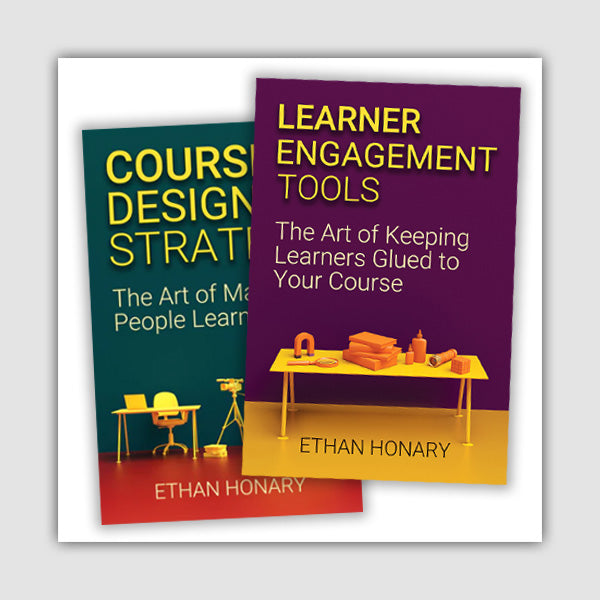
Instructional Design Books
Practical books on course design, learner engagement and training delivery, available in paperback and ebook

Free Training Resources
Download a complete sample course with training activities, assessment forms and practical resources for trainers.

Comprehensive Body Language Guide
Explore body language, gestures, posture, facial expressions and non-verbal communication in one practical guide.

Train the Trainer Resources
Improve course design and delivery with practical guides, specialist books and Train the Trainer courses.
Leave a comment
All comments are moderated before being published.
This site is protected by hCaptcha and the hCaptcha Privacy Policy and Terms of Service apply.