


Purpose
This exercise aims to improve delegates’ ability to quickly absorb and retain information while helping them discover which learning and memory strategies work best for them.
Objective
Delegates will read a short, unfamiliar article or concept for five minutes, then close their materials and write down everything they can remember, focusing on key points. Afterward, they will compare their notes to the original source, reflect on their retention, and identify which strategies were most effective for them.
What You Need
- Short, unfamiliar articles or written concepts. You need one unique article per delegate, ideally 1-2 pages. Articles should be brief but contain enough content to challenge memory and comprehension. Choose topics that are likely to be unfamiliar to delegates otherwise they might be bringing information they already know rather from what they have read. You could also consider creating these with generative AI and make them unique. Examples of article topics are:
- A short scientific summary
- An excerpt from a historical event
- A description of a novel concept
- A biography of a person
- A short story
- Blank papers
Setup
- Explain that the purpose is to help delegates improve their ability to quickly learn and retain information. Emphasise that this will also help them identify their personal learning styles.
- Hand out an article to each delegate.
- Inform delegates that they will have exactly 5 minutes to read and understand the material. They should focus on the key points, but they will not be allowed to refer back to the article after the time is up. They are not allowed to take notes either. They can read the article in any way they want or as many times they can in the allocated time. Emphasise that the aim of this exercise is to learn how to comprehend a text quickly and accurately when it is just read, rather than memorising it so it can be recalled a few days later.
- Start the timer. Give delegates 5 minutes to read their article. Remind them to concentrate and absorb as much as possible within the time limit.
- After the 5 minutes are up, instruct delegates to close their materials. They will now have 5 minutes to write down everything they remember from the article, focusing on key points, details and important concepts.
- Once the delegates have finished writing, pair them up. In their groups, each delegate will:
- Compare their notes to the original article.
- Identify any missed or incorrect details.
- Discuss their approach to learning during their sprints such as visualising, repeating key facts and connecting ideas.
- Get them share which methods they found most effective.
- After the pair activity, bring everyone back together for a group discussion. Allow each pair to share insights about what learning strategies worked best for them, what they struggled to remember and how they might improve their approach next time. You can also highlight memory effects such as primacy (what is learned early is remembered more) and recency (what is learned in the end is more likely to be remembered).
- Optionally get them to go through a second round and apply all that they learned in the first round and discussions. You will have to give a fresh new batch up articles to all delegates.
Timing
Explaining the Exercise: 2 minutes
Activity: 5 min for reading + 5 min for writing from memory + 10 min for comparing notes in pairs = 20 minutes
Group Feedback: 10 minutes
Discussion
After the exercise, facilitate a group discussion to reflect on the process. Use the following questions:
- Which key points were easiest for you to remember? Why do you think that was?
- What parts of the material did you struggle to recall, and what might have contributed to that difficulty?
- What learning strategies did you consciously or unconsciously use during the reading phase?
- When you compared your notes with the original source, how accurate were they? Were there any patterns in what you missed or remembered?
- How can you apply what you have learned about your memory and focus to future learning situations or tasks?
- Did you notice any differences in learning strategies between you and your partner or others in the class? How might you integrate new techniques into your learning process?
Ready-to-Use Soft Skills Training Materials
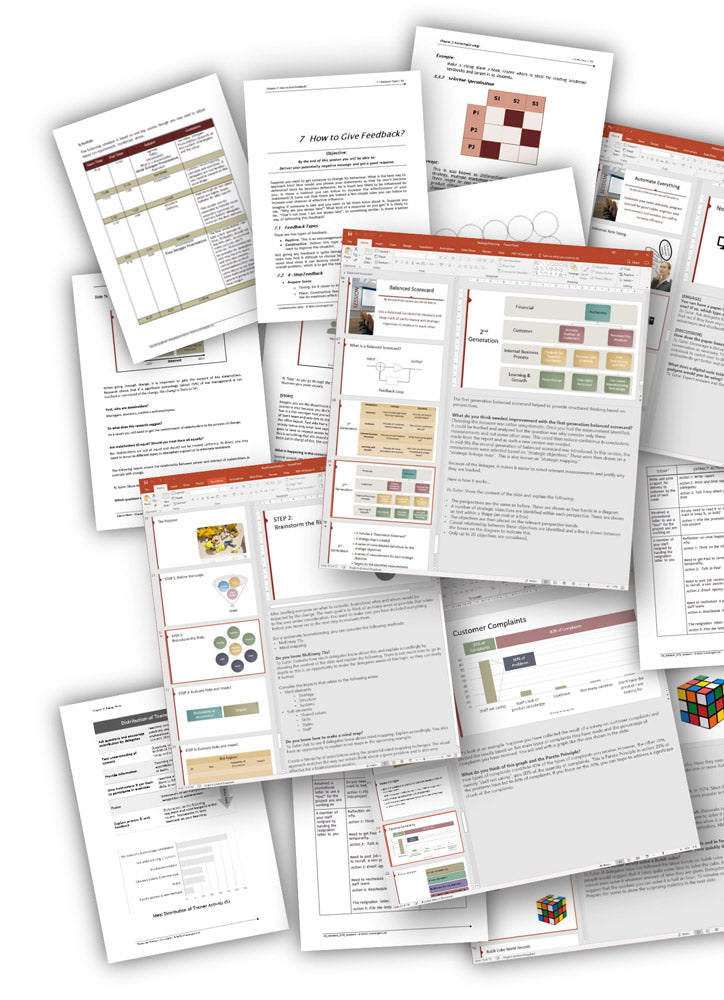
Editable slides, trainer notes, workbooks and exercises. Download, customise and reuse.
Why Choose Our Training Materials?

Online Train the Trainer Course:
Core Skills
CPD Accredited
Turn Your Expertise into Engaging, Well-Structured Training
Topics
Need a Complete Soft Skills Course to Deliver?
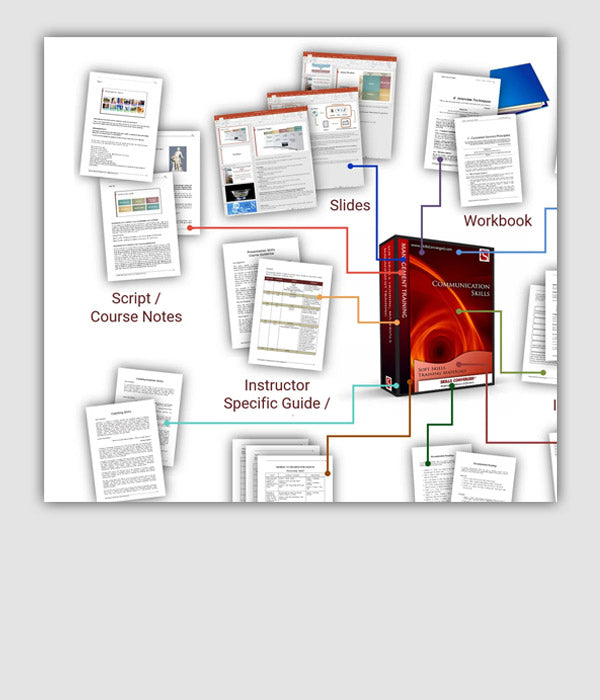
Save preparation time with ready-to-use course packs containing editable slides, detailed trainer notes, participant workbooks and engaging exercises.
Management ◆ Interpersonal Development ◆ Personal Development
The Most Similar Exercises & Articles to This in Order of Similarity Are:



Resources for Trainers and Course Designers
Instructional Design Books
Practical books on course design, learner engagement and training delivery, available in paperback and ebook

Free Training Resources
Download a complete sample course with training activities, assessment forms and practical resources for trainers.

Comprehensive Body Language Guide
Explore body language, gestures, posture, facial expressions and non-verbal communication in one practical guide.

Train the Trainer Resources
Improve course design and delivery with practical guides, specialist books and Train the Trainer courses.
Leave a comment
All comments are moderated before being published.
This site is protected by hCaptcha and the hCaptcha Privacy Policy and Terms of Service apply.