


The Empathy Expedition: Leadership and Change Management Game
The Empathy Expedition is a dynamic and game-like roleplay exercise designed to develop emotional intelligence, leadership, and change management skills in an engaging and entertaining way. Partici...

It is easy to think that a different life would have been easier or better. It is easy to think that somebody else’s life is vastly better than yours and to fantasise being in someone else’s positi...

Eliminate Wrong Beliefs: Turn Should to Could
This exercise is designed to make the coachee think about potential liming views and beliefs. Through a systematic step by step process, you first help the coachee see what these beliefs are and th...

Dissolving Resentment Exercise
Resentment can consume people. Constantly thinking negatively about others can make an individual sad, angry and ultimately depressed. This strong emotion should be addressed before it becomes chro...
Positive Affirmations: Turn Negative into Positive
We are what we repeatedly do. We are also what we repeatedly think. If you think about something 200 times a day, you come to believe it to be true. If you think you are poor, unhealthy, socially u...
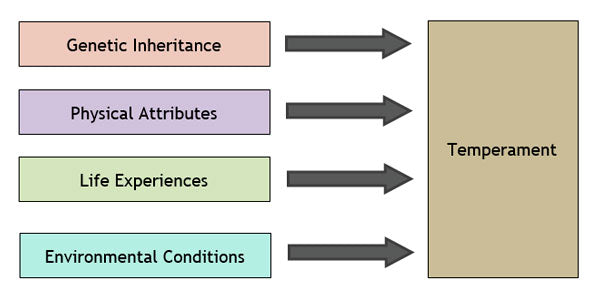
Emotional Intelligence Exercise: Temperament Analysis
This exercise helps delegates explore the concept of temperament, understand what it means, how it is formed and how it can influence their emotional intelligence. Temperament refers to aspects of ...

Emotional Intelligence Exercise: Making Eye Contact
This exercise helps delegates to understand and appreciate the power of eye contact and how it can affect emotional connection and emotional states. It is ideal in teaching emotional intelligence, ...
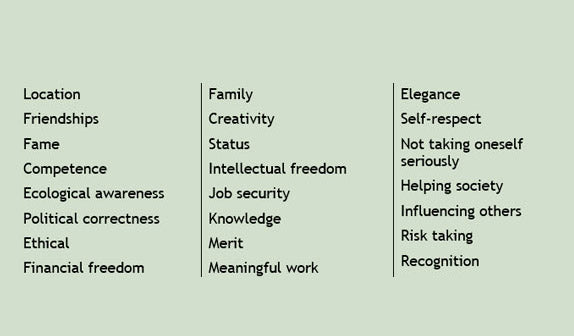
Emotional Intelligence Self-Awareness Exercise
Self-awareness is one of the important competencies within emotional intelligence. Self-awareness is about understanding your strengths, limitations, attitudes, values and motivations. In this exer...

Positive Appreciation, Affirmation and Praise
In this activity, a group of people get to acknowledge each other’s actions and appreciate the impact of such actions on their own lives. People tend to avoid praising despite the fact that it is i...

Motivational Exercise: Turning a Bad Experience to a Good One
Use this exercise to motivate people and help them to view an experience differently. This exercise is fairly simple to execute and yet quite effective. The essence of the exercise is to show that ...

Self-esteem Exercise: Accepting your Emotions
All of us go through some experiences in life where we feel victimised or wronged. The negative emotions and feelings generated by these experiences can stay with us for a long time afterwards and ...

Giving Feedback Exercise: Improve Your Self-Awareness
This is a simple exercise that anyone can use to measure his self-awareness. Simply think about answering a series of questions and through that become more aware of how you feel and how others fee...
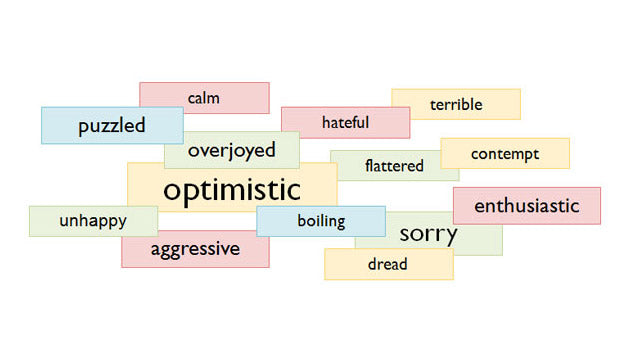
Emotional Intelligence Exercise: Increase Your Self-Awareness
Purpose Knowing how we feel is part of our self-awareness. The more we are aware of our feelings, the better we can control our behaviours and understand those of others. This exercise helps deleg...

Emotional Intelligence Exercise: How to Control Crowd Contagion
The purpose of this exercise is to help delegates understand the concept of crowd contagion. This is particularly applicable to business meetings where emotional comments can easily lead to a subop...
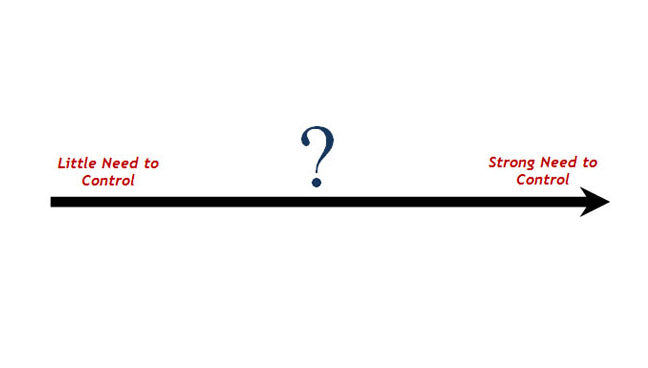
Leadership Skills Exercise: How Controlling Are You?
Some leaders seem to be too controlling. They want to exert their power and position on others to get them do what they want. On the other hand, some leaders seem to understand others and are much ...
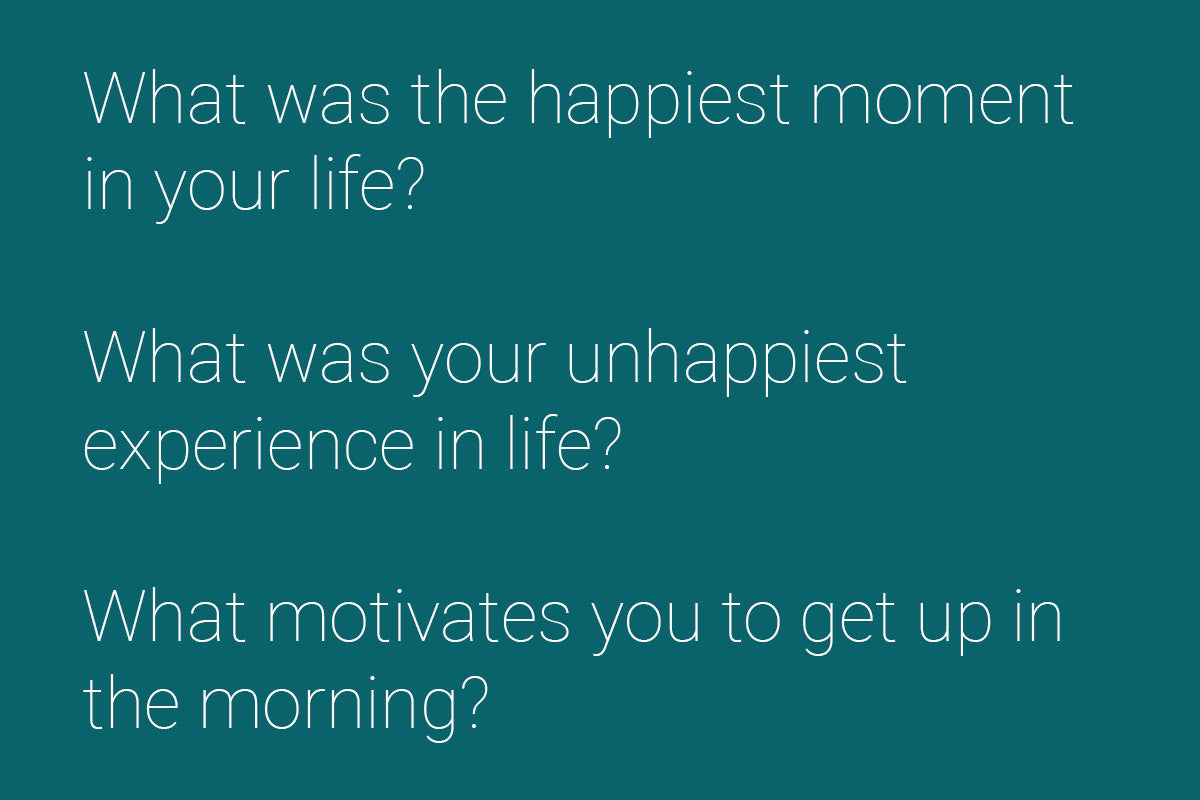
Team Building Exercise: If You Knew...
This simple exercise allows team members to share important information about their life with each other. The aim is to gain a better understanding of why people behave in a certain way and to help...

Acting Exercise: Boost Performance Using Sensory Acting
The ability to act allows you to adopt different roles as you see fit. To be good at emotional intelligence, it is very important to understand emotions and be able to express appropriate emotions ...

Acting Exercise: Act Like an Actor
This is a useful exercise in acting. Use this exercise to help people adopt certain roles or learn how to imitate target behaviours. Acting and understanding how an ideal role feels like can help d...