




The House of Ropes Team Building Exercise
This fun team building activity focuses on engaging team members in a creative and problem-solving environment, emphasising effective communication and planning. Teams will work together to create ...

The Empathy Expedition: Leadership and Change Management Game
The Empathy Expedition is a dynamic and game-like roleplay exercise designed to develop emotional intelligence, leadership, and change management skills in an engaging and entertaining way. Partici...

Acting and Improvisation Exercises
Practicing improvisation exercises can greatly help with communication skills and help reduce fear of being on stage. In a controlled environment of a class, you can easily get delegates to practic...
How to Avoid Bad Training Exercises
Many trainers are always in search of the next best exercise for their courses. On this site alone we have hundreds of exercises that you could choose from. You may even decide to design your own; ...
A Variation of Chinese Whisper Listening Exercise
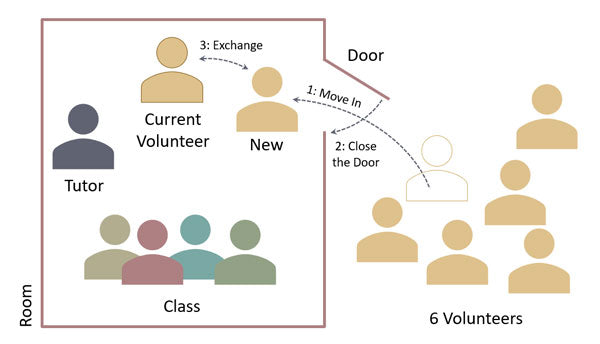
This is an interesting variation of the infamous Chinese Whisper exercise. In this variation, some volunteers leave the room and then be brought back in, rather than just whispering a sentence in t...
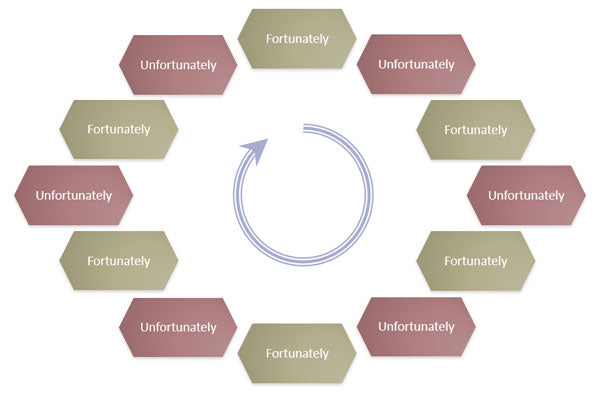
This classic game was popularised in 80s. It is fun to play and helps to generate a lot of positives and negatives for a given topic. Delegates go through a series of statements that start with ‘fo...
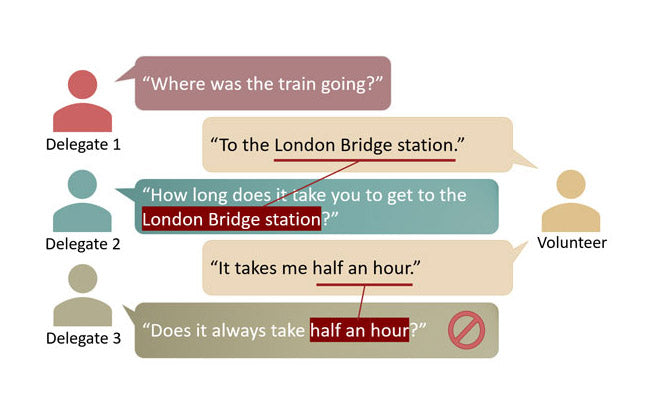
Active Listening Skills Roleplay
This is a highly educational and entertaining exercise on asking open questions. Open questions lead to more information while closed questions lead to a yes/no answer. Open questions are usually m...
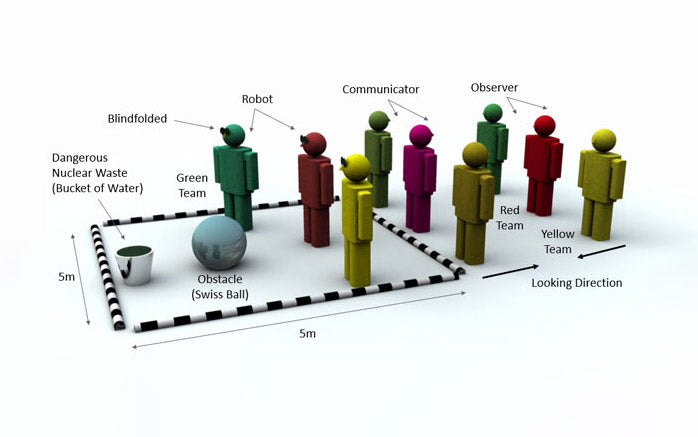
Learn Scrum with an Exercise on Agile Project Management
Agile project management was popularised by the tech industry and has its roots in Japanese companies such as Toyota, Honda and Fuji. There are many who think agile development can lead to efficien...
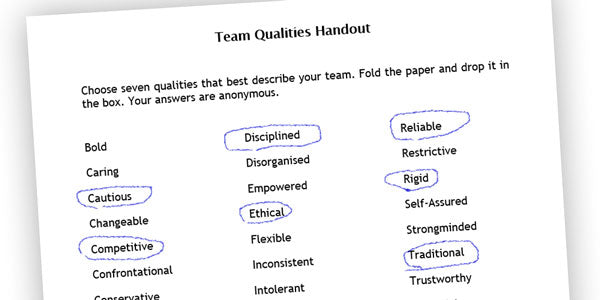
Certain behaviours in a team can affect the trust between the team members and if not addressed properly will have dire consequences. It is essential for a team to self-reflect and to evaluate its ...

Team Building Exercise: Clock Types
The purpose of this exercise is to show that each person in a team has certain characteristics that can contribute to the team. It is not necessarily about casting each person into an ideal team me...

Chocolate Packaging Design Competition Exercise
Imagine walking into a supermarket and going to the isle dedicated to sweets and chocolates. Here, you are likely to find a section with a variety of block chocolate bars. These are often presented...
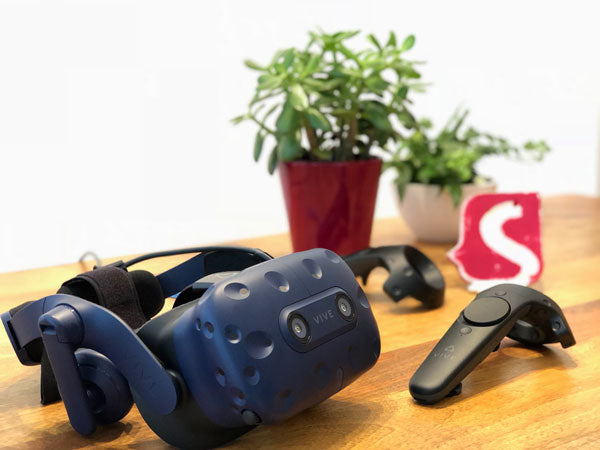
What Virtual Reality Can Do for Soft Skills Training
The new age of virtual reality (VR) is upon us. We are still at early stages of VR development, but the field has shown a strong promise. Of all the new technologies that we are about to fully expe...
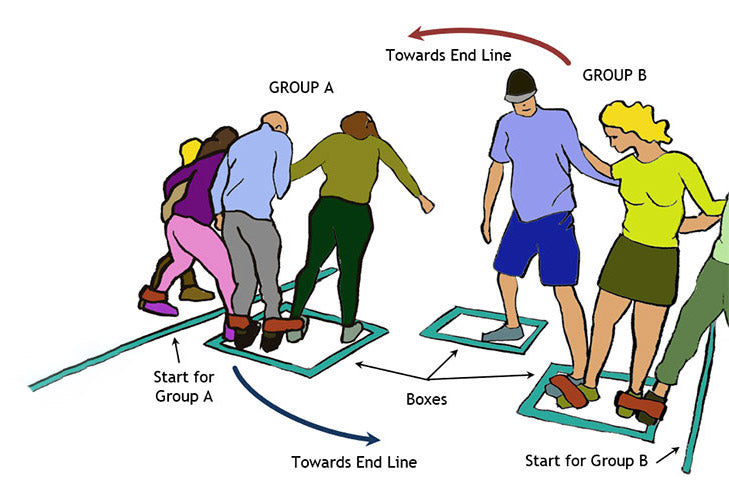
This is an entertaining team building activity where delegates get to practice working together towards a common objective while following certain rules. It is ideal for exploring leadership, plann...

Emotional Intelligence Exercise: Making Eye Contact
This exercise helps delegates to understand and appreciate the power of eye contact and how it can affect emotional connection and emotional states. It is ideal in teaching emotional intelligence, ...

Listening Exercise: So, What You Mean Is…
Purpose This exercise helps delegates to understand the importance of acknowledging the view of a person they are having a conversation with irrespective of whether they agree with it or not. The...
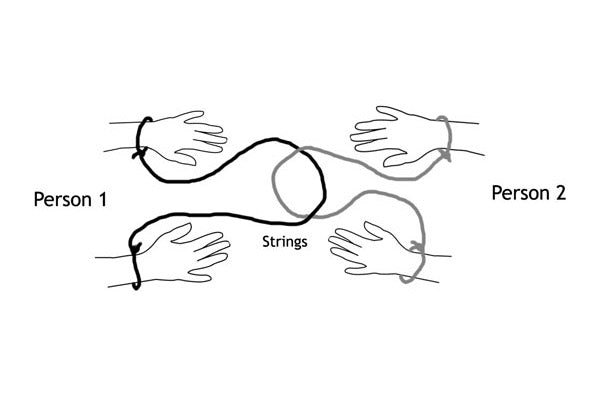
This is a team building exercise where group members need to solve a problem together. Only two people are involved in the actual task and they cannot be replaced. Other team members should provide...
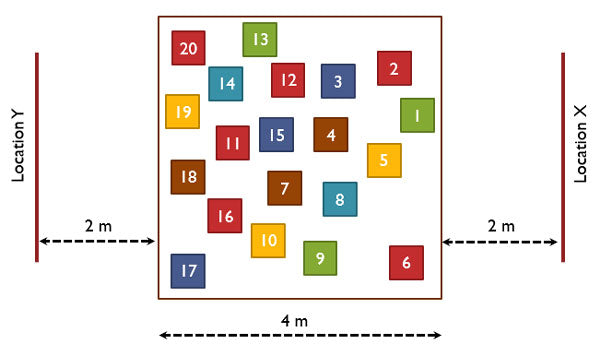
Team Building Exercise: Snakes and Plates
In this team building exercise, delegates work together to complete a task. It requires concentration, planning and fast execution. Here, the decisions made by one team can affect the performance o...

Mobile Phone Team Building Exercises and Icebreakers
Generally, mobile phones are not welcome during a training course. They can distract or annoy people if not switched off. However, like any technology there can also be an advantage for having them...